Reference Guide

WEEE & IT Disposal Waste Codes, Explained

The six-digit codes that appear on your Waste Transfer Notes and consignment notes — what each one covers, and the one detail that changes everything: the asterisk that marks hazardous waste.

Formally the List of Wastes, inherited from the European Waste Catalogue (EWC).

The codes you’ll see most

  • 20 01 36

    Non-hazardous WEEE

    Non-hazardous
  • 20 01 35*

    Hazardous WEEE

    Hazardous
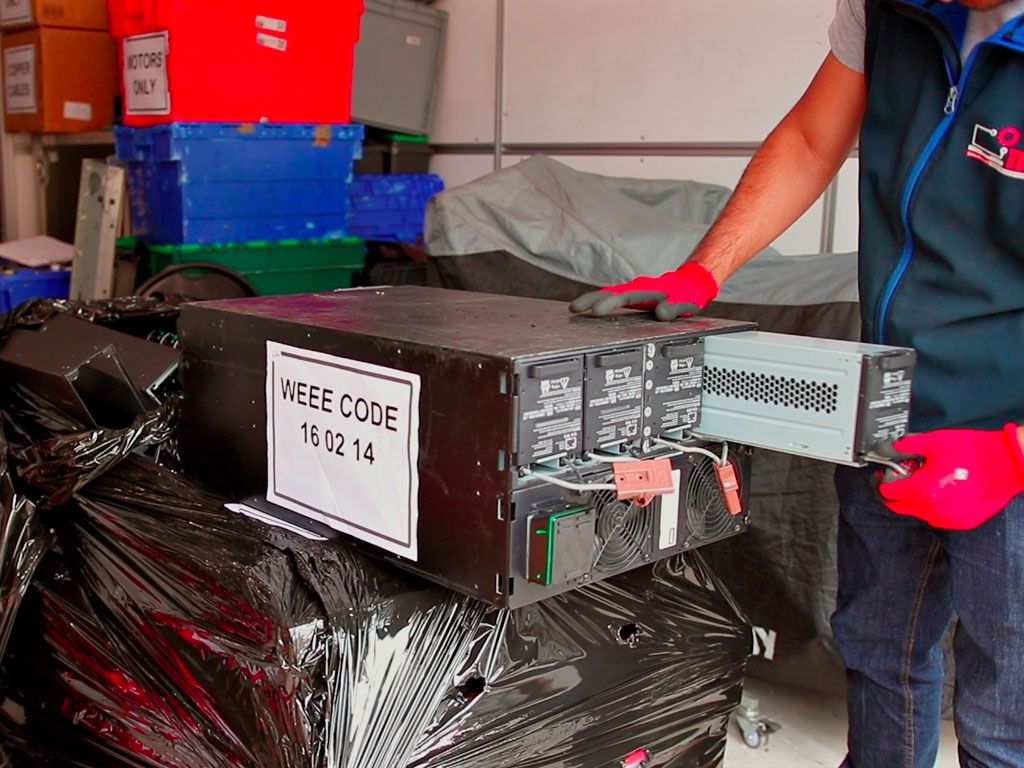
  • 16 02 14

    Discarded equipment

    Non-hazardous
  • 16 06 05

    Batteries

    Non-hazardous
What is a waste code?

A six-digit label that tracks every load

Every load of waste in the UK is described by a six-digit code from the List of Wastes (the modern form of the European Waste Catalogue). The code says what the material is, so the people who carry, store and treat it all follow the same rules — and so regulators can trace it from your site to final treatment.

For IT and WEEE, three code ranges matter: chapter 16 02 (equipment and components), chapter 20 01 (separately collected WEEE) and chapter 16 06 (batteries). One asterisk is the difference between a standard transfer note and a full hazardous-waste consignment.

The Code Reference

IT & WEEE Waste Codes

Every code below is grouped by the chapter it belongs to, with what it covers in plain English and where it turns up in IT disposal.

IT & electronic equipment (chapter 16 02)

CodeHazardous?What it coversIn IT disposal
16 02 14 Non-hazardous Discarded electrical and electronic equipment other than that containing hazardous components.Mixed office IT — desktops, servers, monitors without hazardous backlights, networking gear.
16 02 13* Hazardous Discarded equipment containing hazardous components (other than PCBs, CFCs or asbestos).Screens with mercury backlights, items with lead solder or hazardous capacitors.
16 02 16 Non-hazardous Components removed from discarded equipment, other than hazardous components.Stripped PCBs, casings and parts recovered for recycling.
16 02 15* Hazardous Hazardous components removed from discarded equipment.Removed batteries, capacitors and hazardous sub-assemblies.

Separately collected WEEE (chapter 20 01)

CodeHazardous?What it coversIn IT disposal
20 01 35* Hazardous Discarded electrical and electronic equipment containing hazardous components (other than mercury lamps and CFC equipment).Mixed WEEE loads containing any hazardous item.
20 01 36 Non-hazardous Discarded electrical and electronic equipment other than those mentioned above.Non-hazardous WEEE — the code most mixed office WEEE falls under.
20 01 21* Hazardous Fluorescent tubes and other mercury-containing waste.Lamps and CCFL-backlit screens.
20 01 23* Hazardous Discarded equipment containing chlorofluorocarbons (CFCs).Fridges, air-conditioning units and some chillers.

Batteries (chapters 16 06 & 20 01)

CodeHazardous?What it coversIn IT disposal
16 06 05 Non-hazardous Other batteries and accumulators.Alkaline and most lithium-ion packs removed before recycling.
16 06 01* Hazardous Lead-acid batteries.UPS batteries and legacy lead-acid cells.
16 06 02* Hazardous Nickel-cadmium (Ni-Cd) batteries.Older cordless and backup Ni-Cd packs.
16 06 04 Non-hazardous Alkaline batteries (except mercury-containing).Standard AA / AAA cells removed from devices.
20 01 33* Hazardous Batteries and accumulators included in 16 06 01, 16 06 02 or 16 06 03, and unsorted batteries containing them.Mixed battery buckets containing lead, Ni-Cd or mercury cells.
20 01 34 Non-hazardous Batteries and accumulators other than those mentioned in 20 01 33.Separated non-hazardous battery stream.
The One Detail That Matters

The asterisk changes everything

An asterisk after a code marks hazardous waste — and a completely different paperwork and transport route.

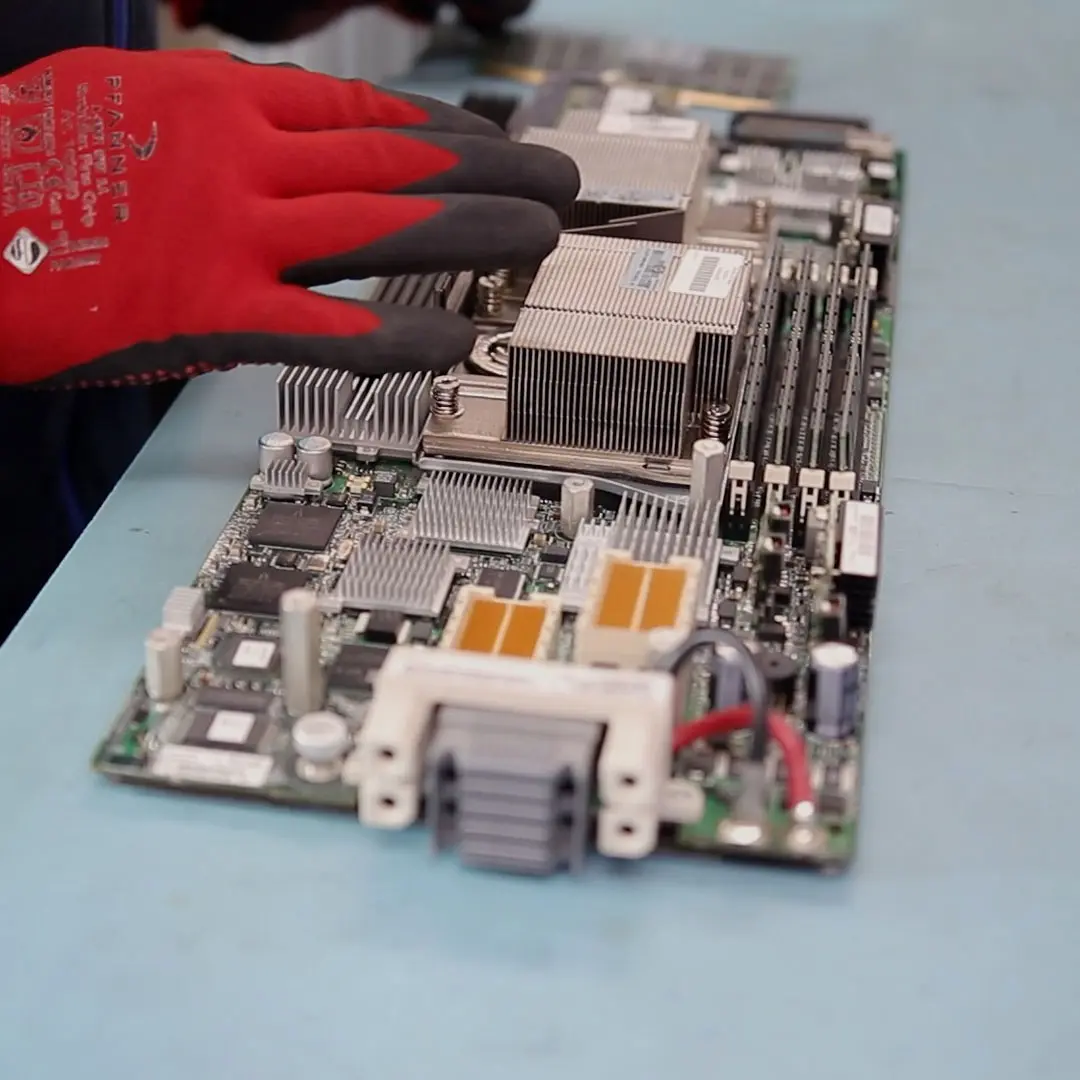
Non-hazardous WEEE being recycled
Non-hazardous

No asterisk

A standard Waste Transfer Note documents the transfer, and a registered carrier handles the load — the route most mixed office IT follows.

  • 20 01 36, 16 02 14, 16 06 05
  • Waste Transfer Note
  • Registered carrier
Hazardous components being removed from WEEE
Hazardous

With an asterisk

Hazardous waste needs a Hazardous Waste Consignment Note, pre-notification to the Environment Agency, and a licensed treatment facility.

  • 20 01 35*, 16 02 13*, 16 06 01*
  • Consignment note + pre-notification
  • Licensed carrier & treatment
In Practice

How TFix Assigns Waste Codes

Assessed on arrival

Each load is inspected and the correct code assigned per stream — equipment, screens, lamps and batteries are separated before they are described.

Documented for you

The right Waste Transfer Note or hazardous waste consignment note is issued, so your Duty of Care record is complete without you lifting a finger.

Routed correctly

Hazardous streams go to depollution and licensed treatment; non-hazardous streams go to reuse and recycling — never mixed, never mislabelled.

Waste Code FAQs

What is an EWC code?

An EWC (European Waste Catalogue) code, now part of the UK List of Wastes, is a six-digit code that classifies waste on transfer and consignment notes. It describes what the waste is so it is tracked, transported and treated consistently.

What does the asterisk (*) next to a code mean?

An asterisk marks hazardous waste. Hazardous waste requires a Hazardous Waste Consignment Note, pre-notification to the Environment Agency, and a licensed carrier and treatment facility.

Which waste code covers most office IT?

Non-hazardous mixed office WEEE is usually classified as 20 01 36 (separately collected WEEE) or 16 02 14 (discarded equipment). Loads containing any hazardous component, such as mercury-backlit screens, use 20 01 35* instead.

Do I need to know these codes as a customer?

No. Your licensed carrier and treatment facility assign the correct codes and issue the Waste Transfer Note or consignment note. You keep that paperwork as your Duty of Care record.

Correctly coded, every time

Licensed WEEE collection with the paperwork handled

We assign the right waste codes, issue the correct notes, and route every stream to the right facility — so your Duty of Care record is complete from collection to treatment.