Controller-level secure erase (Purge), logical sanitisation (Clear), or certified physical destruction (Destroy) for enterprise IT assets, aligned with NIST 800-88r2 and NCSC guidance.
Every sanitisation batch includes 5% random forensic-verification sampling. Any failure triggers immediate batch-level remediation and physical destruction of the affected devices.
Last reviewed: 19 May 2026

Deleting or formatting isn’t enough—data can often be recovered using simple tools.
UK businesses lose on average £3M+ per breach from compromised end-of-life devices.
GDPR and sector-specific regulations demand verifiable, certified data destruction.
We apply data sanitisation and destruction methods based on media capability, confidentiality requirements, and applicable regulatory standards. Every asset is processed under full chain-of-custody controls, with documented verification and individually serialised certification.
Manufacturer Factory Reset
Controller-Level Format
SSD Logical Overwrite (where appropriate)
Generates: Certificate of Data Sanitisation
NVMe Sanitize (Crypto / Block / Overwrite)
ATA Enhanced Secure Erase
HDD Logical Overwrite
Generates: Certificate of Data Destruction
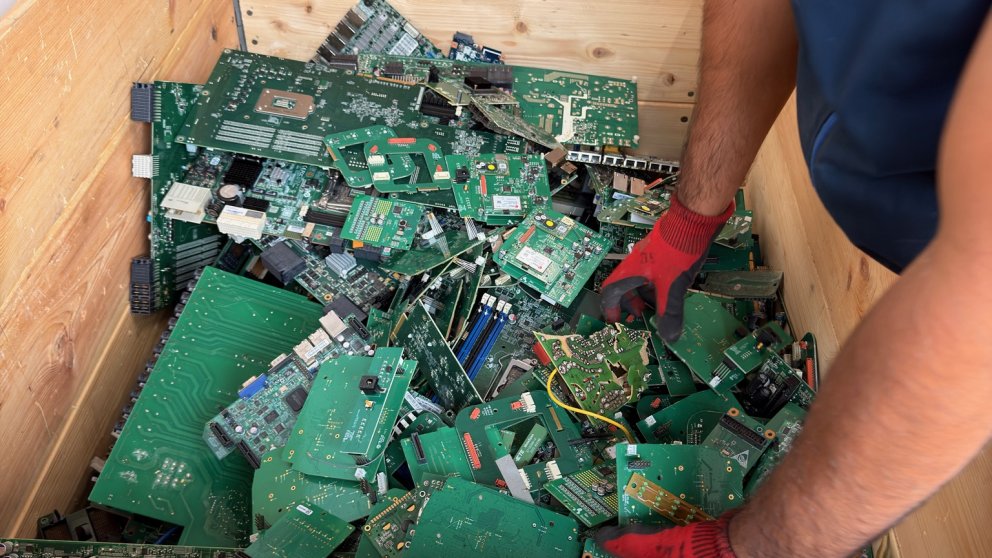
Physical destruction to particle sizes consistent with DIN 66399 H-5 (HDD) and E-3 (SSD) where applicable.
Generates: Certificate of Physical Destruction
To validate erasure effectiveness, a representative sample of sanitised drives (typically 5%) is randomly selected and subjected to forensic recovery attempts. Any failure results in immediate containment and batch-level remediation.
Every asset follows a capability-led process aligned with NIST 800-88r2, from intake to final certification.
Assets recorded for serial-level traceability.
Firmware & FTL analysis determines sanitisation method.
NIST 800-88r2 compliant erasure or physical destruction.
Forensic recovery on a 5% audit sample to validate success.
Serial-linked Certificate instantly accessible via your portal.
Meets GDPR and ISO 27001 standards. Reports archived for our 18-year business history.
We erase or physically destroy all common forms of digital media. Nothing leaves your organisation in a recoverable state.
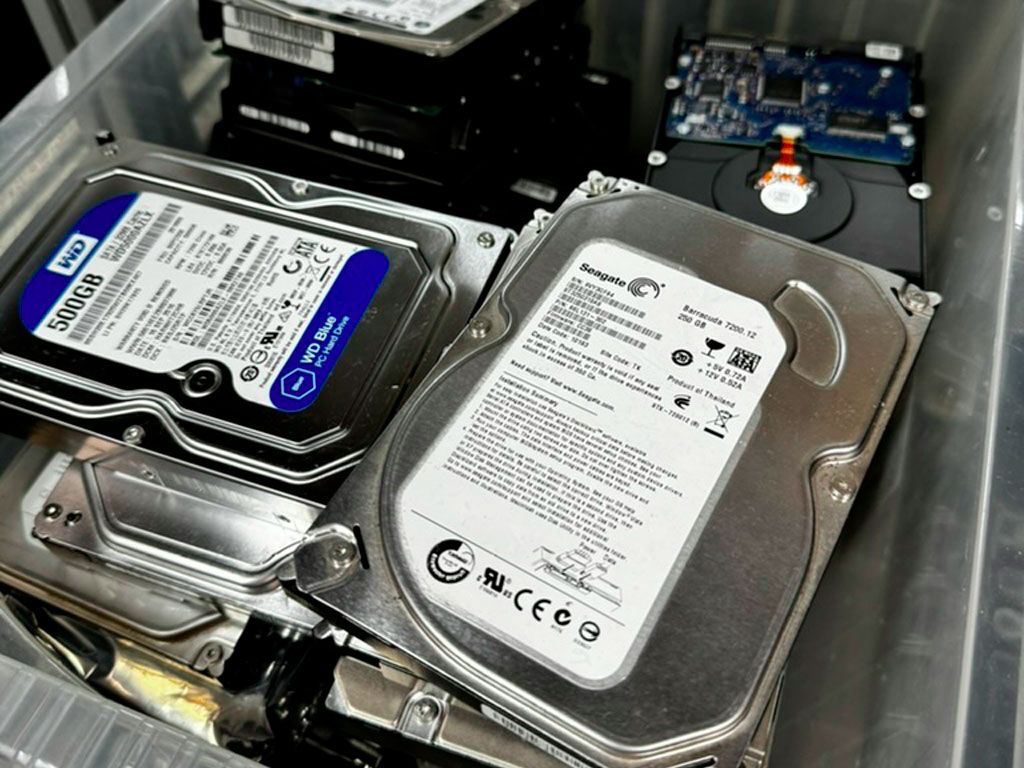
Complete erasure or shredding of all spinning and solid-state drives.
Secure destruction of legacy LTO and DAT backup media.
Shredding and disposal of CDs, DVDs, and Blu-ray discs.
Certified erasure or destruction of smartphones and tablets.
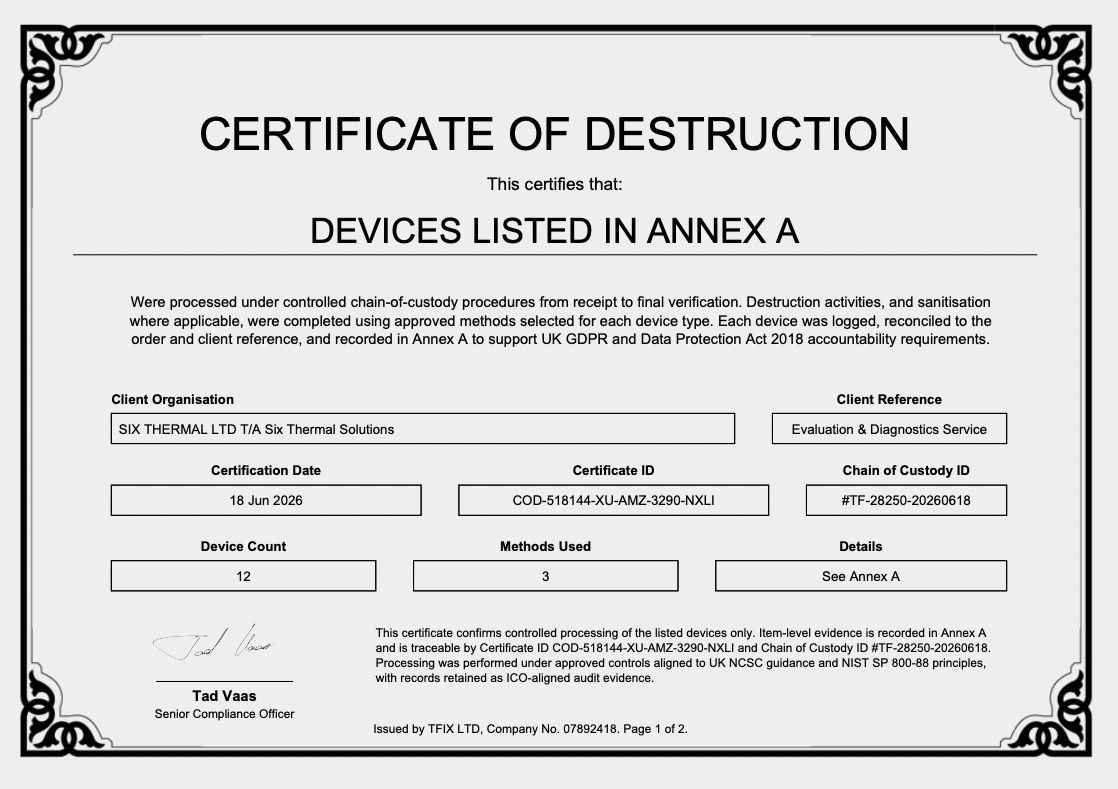
Every erasure or destruction process is fully documented and accompanied by an individually numbered, serial-linked certificate with secure archive retention.

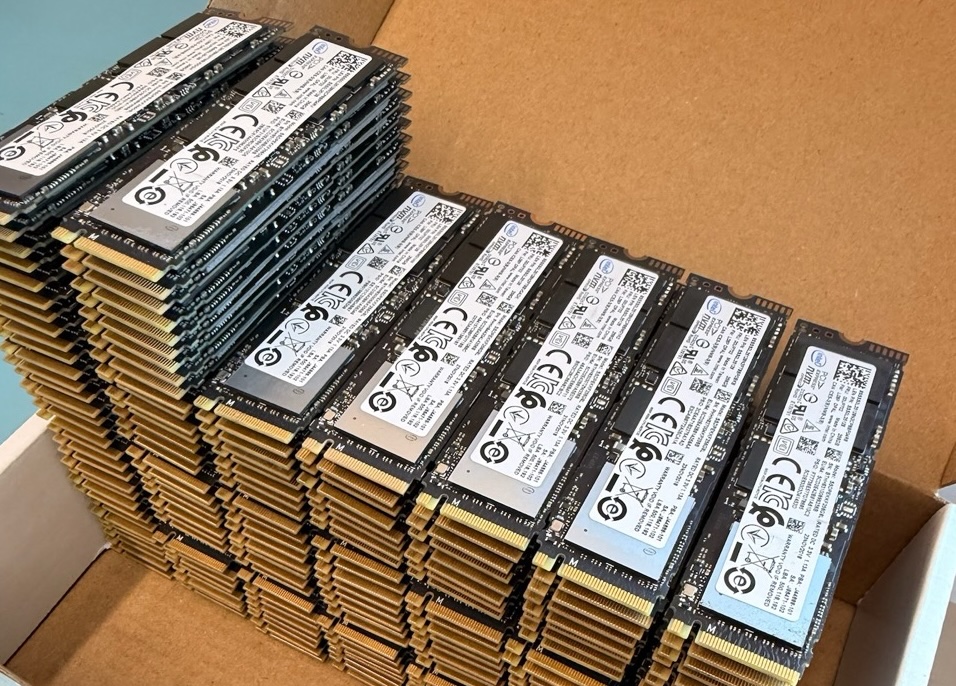
Flash-based solid-state drives cannot be reliably sanitised using simple overwriting. Peer-reviewed research (Wei et al., UCSD, 2011) confirms that SSDs retain digital remnants even after many overwrite passes due to controller behaviour and the internal architecture of flash memory.
To achieve a verifiable and auditor-acceptable outcome, SSD processing follows a capability-led workflow:
This multi-stage process is the foundation of TFix's SSD sanitisation workflow, ensuring GDPR-compliant, NIST 800-88r2 and NCSC Secure Sanitisation Guidance aligned, audit-ready data sanitisation for all flash-based media.
Key details about our secure data erasure and destruction services.
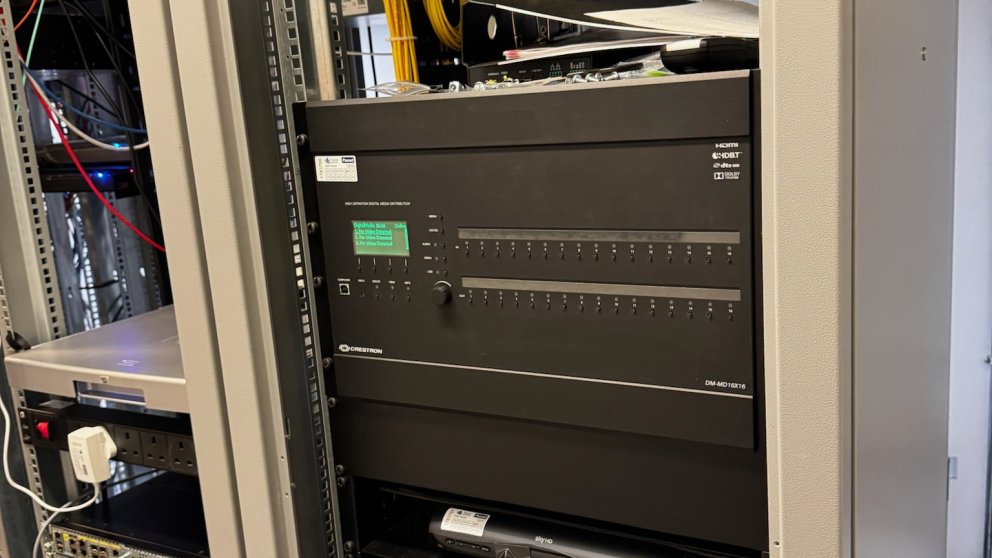
We process HDDs, SSDs, NVMe media, backup tapes, optical media, servers, and mobile devices. Method selection is capability-led and mapped to your policy and regulatory requirements.
Yes. Every job is documented with individually numbered, serial-linked Certificates of Sanitisation or Destruction, suitable for GDPR, ISO 27001, and internal audit records.
Depending on media capability and policy requirements, we apply controller-level purge, verified logical sanitisation where appropriate, or physical destruction. Every outcome is logged and evidenced.
Any failed device is immediately diverted to controlled physical destruction. This enforces permanent data elimination and maintains compliance with GDPR and NIST 800-88r2.
Sanitisation (Clear) removes data while preserving media for potential reuse. Purge and physical destruction are used where higher assurance is required; physical destruction generates a Certificate of Destruction.
SSDs follow a capability-led workflow. Where supported, controller-level purge (NVMe Sanitize or ATA Secure Erase) is applied. Where purge is unavailable and policy permits, verified logical sanitisation is used. Devices that cannot be reliably sanitised are physically destroyed.
The resale value of your decommissioned IT hardware could offset your data destruction costs.
Our automated SSD erasure workflow means we no longer charge a premium for SSDs.
One low rate for all loose drive types.
For loose HDDs, SSDs, and Tapes.
Volume discount for loose media.
Helpful reads on common questions, real scenarios, and what to expect.
Not a consumer-device service
This workflow is designed for business assets, enterprise governance, and documented chain-of-custody rather than one-off household devices.
Not every drive needs physical shredding
If value recovery is possible and your policy allows verified erasure, full physical destruction may be unnecessarily expensive. See our eradication methods comparison.
Best when evidence matters
This page is for teams who need certificates, media-specific method choice, and audit-ready outputs rather than generic disposal.
If destruction is part of a broader device disposal programme, use the UK WEEE & Carbon Savings Calculator to estimate likely recycling impact alongside compliance outputs.
Still deciding?
We’ll confirm media type, compliance requirements, and processing method before scheduling.