Understanding the Waste Hierarchy: Why Compliance Is No Longer Optional for UK Businesses

When managing corporate waste, many operations and compliance teams treat disposal as a simple utility. You contract a carrier, they empty the bins, and you file the receipt.
However, under UK law, business waste management is heavily regulated.
The Waste (England and Wales) Regulations 2011 mandate that every UK organisation must actively apply the Waste Hierarchy to their operations. This is not a set of voluntary green guidelines—it is a legally binding "Duty of Care" obligation.
Failing to document how your business prioritises waste reduction, reuse, and recycling can expose your organisation to severe regulatory penalties, supply chain audits, and reputational damage.
What is the Waste Hierarchy?
The waste hierarchy is a legally mandated, five-stage framework that ranks waste management options by their environmental impact.
Under the regulations, you must choose the highest possible option on this list for any waste your business generates.
The 5-Stage Framework
-
Prevention: Avoiding waste generation entirely. This includes optimising inventory, buying in bulk to eliminate packaging, or digitising administrative processes.
-
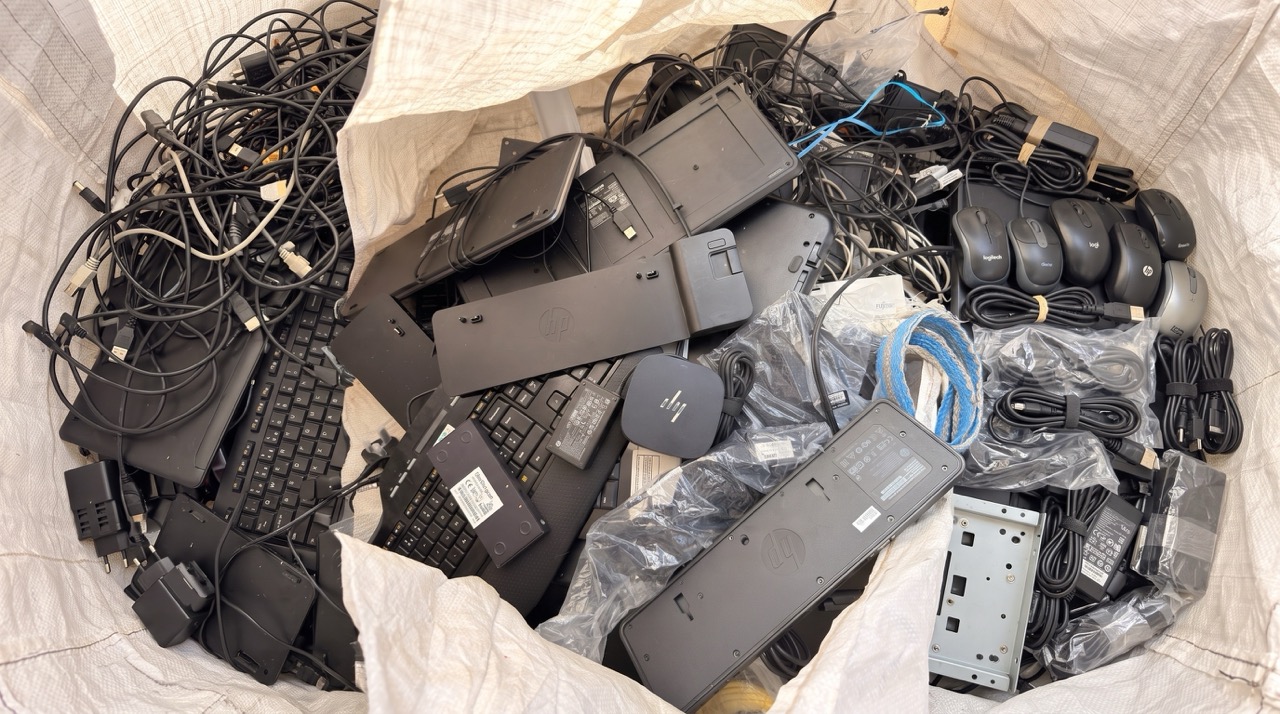
Preparing for Re-use: Checking, cleaning, repairing, or refurbishing whole products or components so they can be reused without further processing (such as redeploying office IT hardware or refurbishing furniture).
-
Recycling: Breaking down waste materials and processing them into new products or raw materials.
-
Other Recovery: Extracting energy or resources from non-recyclable materials (e.g., anaerobic digestion for food waste, or incineration with energy-from-waste recovery).
-
Disposal: Landfill or incineration without energy recovery. Under UK law, disposal is an absolute last resort.
The Commercial and Legal Risks of Non-Compliance
In 2026, compliance officers and operations managers face unprecedented pressure to verify environmental data. Regulators and enterprise supply chains are tracking downstream impacts closer than ever.
If your organisation cannot demonstrate active compliance with the waste hierarchy, you face three primary operational risks:
1. The Legally Binding Waste Transfer Note (WTN)
Every time a load of non-hazardous waste leaves your commercial premises, you must sign a Waste Transfer Note (or a Consignment Note for hazardous materials).
By law, this document contains a mandatory declaration stating that your business has actively applied the waste hierarchy. Signing this note without operational measures in place to back it up is a direct regulatory breach.
2. Mandatory Separate Collections
To enforce the hierarchy, UK regulations require workplaces with 10 or more employees to separate dry recyclables (paper, cardboard, plastics, metals, glass) and food waste from general waste. By 2027, this mandate will extend to all micro-businesses. Relying on "single-bin" mixed commercial waste services is no longer legally compliant.
3. Supply Chain Audits and Scope 3 Emissions
If your business supplies public sector organisations, NHS trusts, or large corporations, you are likely required to disclose your ESG performance. Your waste management choices directly affect your Scope 3 emissions. Using uncertified, cheap waste brokers who bypass recycling or reuse pathways can disqualify your business from high-value corporate contracts.
How to Protect Your Organisation: A 4-Step Action Plan
To future-proof your business against regulatory scrutiny and simplify your compliance audits, implement these four operational steps:
Aligning Compliance with Commercial Strategy
Applying the waste hierarchy is not just about keeping the regulators happy. Reducing waste volumes directly lowers your commercial disposal costs and landfill taxes.
By taking a systemic approach to your business waste, you protect your organisation from fines, secure your supply chain compliance, and turn redundant physical liabilities back into working capital.
Ready to act on this?
Book a free ITAD assessment, compare your destruction options, or review provider-selection guidance before choosing a partner.
Need help with this in your organisation?
Book the matching service directly based on this article topic.