ITAD that stands up to audit

ITAD Services UK — IT Asset Disposition, Data Destruction & Recycling

IT asset disposition for UK organisations: certified data destruction, decommissioning and WEEE recycling across every asset type — processed at our licensed Mitcham facility on a serialised chain of custody, with no offshore brokering.

What is ITAD?

IT Asset Disposition (ITAD) is the secure, documented retirement of end-of-life business IT — certified data destruction, decommissioning, and resale or recycling — so equipment leaves without data breaches, regulatory penalties, or lost residual value.

Book an ITAD Survey See Pricing Drivers

Last reviewed: 17 October 2026 • Accreditations • Case studies
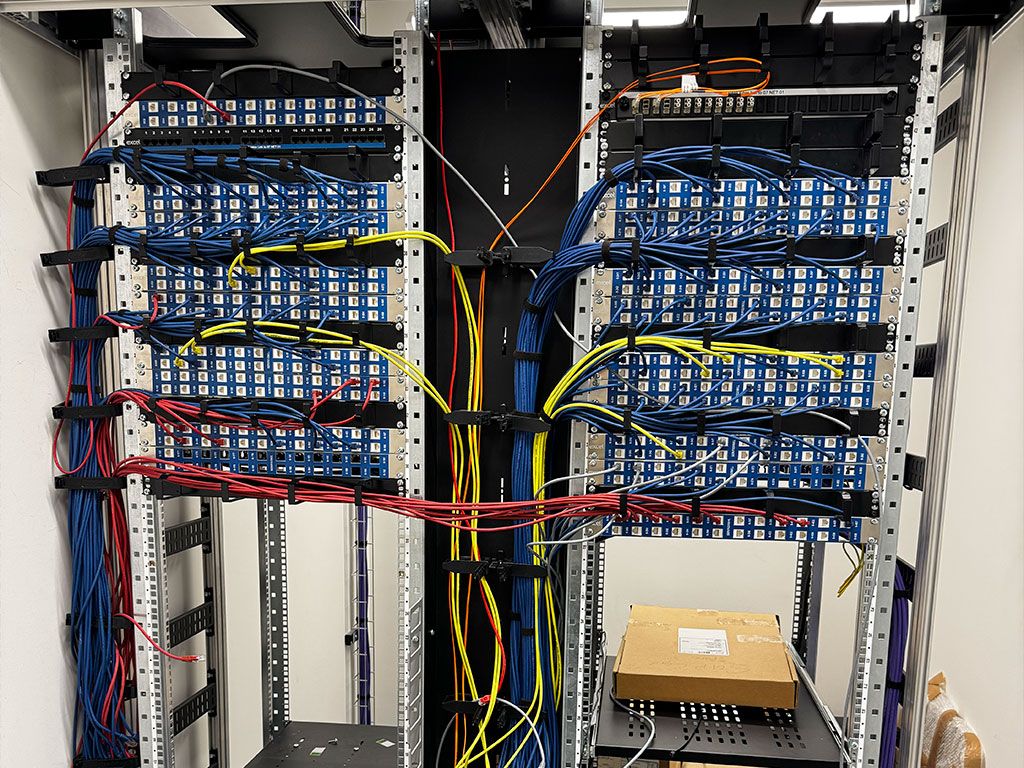
Servers and networking equipment staged for IT asset disposition

18

years in IT asset disposal

23,613

businesses served

51,828

devices processed

0

to landfill

Definitions

What is IT asset disposition?

IT asset disposition — ITAD — is the controlled retirement of business IT, from the moment a device is scheduled for replacement to the certificate that proves what happened to it. It is the umbrella term for three things often sold separately: IT asset disposal, IT asset recycling, and certified data destruction.

In practice an ITAD programme answers four questions for every serial number: where did it go, who handled it, is the data gone, and what did we recover or recycle? Organisations working to ISO 27001, Cyber Essentials or NHS DSPT need those answers as evidence, not assurances.

TFix runs ITAD from its licensed facility in Mitcham (CR4 3FH) under a Waste Carrier registration and a T11 WEEE treatment exemption, so collection, treatment and recycling stay inside one chain of custody rather than being subcontracted piecemeal.

ITAD covers four routes

  • Data destruction — NIST SP 800-88 erasure or physical destruction, certificate per device
  • Decommissioning — de-racking, depollution and removal from site
  • Asset recovery — grading and resale of reusable equipment
  • WEEE recycling — compliant treatment of the remainder, zero landfill
Service lines

ITAD services we provide

Booked individually, or as one programme under a single purchase order.

Every service above ends with a serialised certificate — see exactly what a Certificate of Destruction contains and proves.

Four steps

How an ITAD project works

1

Survey and scope

Asset mix, access constraints, destruction standard and recovery potential are agreed in writing before anything moves.

2

Collection and chain of custody

Site-inducted crews log every serial number on collection and seal data-bearing media into tamper-evident transit.

3

Destruction and recovery

Drives are erased or destroyed at our Mitcham facility; reusable hardware is tested, graded and resold.

4

Reporting and certificates

You receive the serialised audit pack: certificates, transfer notes, environmental and resale reporting.

ITAD by asset type

Choose Your Equipment

Twelve asset classes, each with its own data-risk profile, WEEE obligation and recovery value.

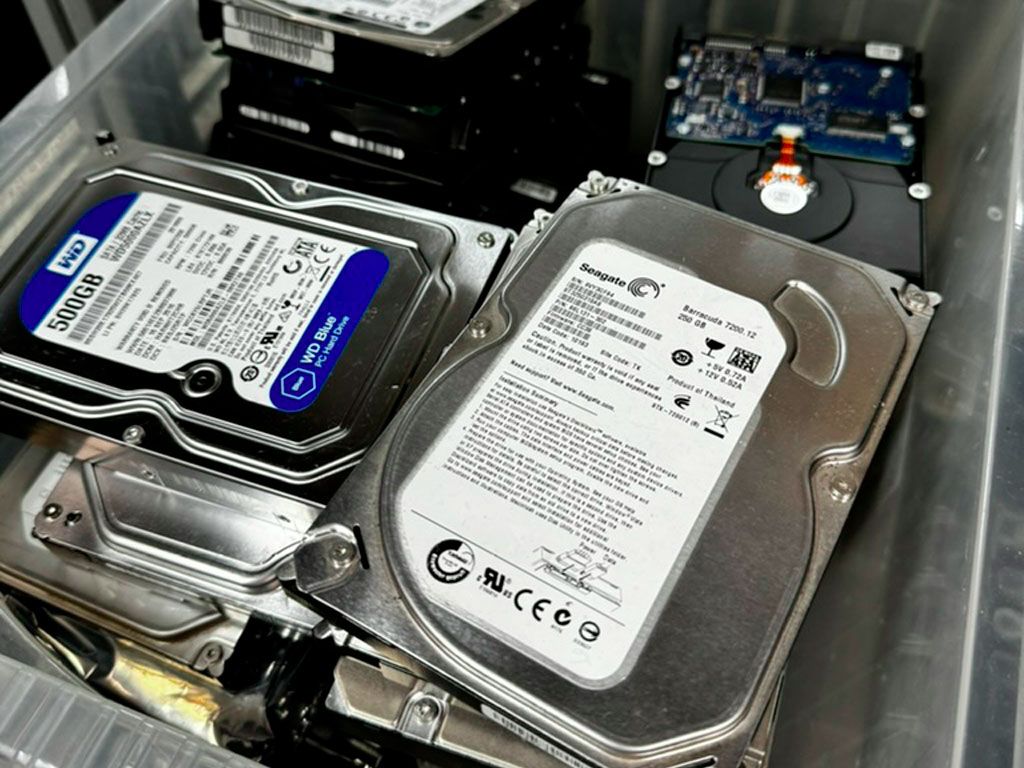
Hard drives staged for secure data destruction
Live programme

Hard Drives & SSDs

Certified erasure or physical shredding for HDDs, SSDs, NVMe, and backup media, with a serialised certificate per device, processed at our licensed UK facility.

  • NIST 800-88 erasure or shredding
  • Serialised Certificate of Destruction
  • Witnessed on-site removal & tamper-evident sealing
Updated 19 August 2026 Explore →
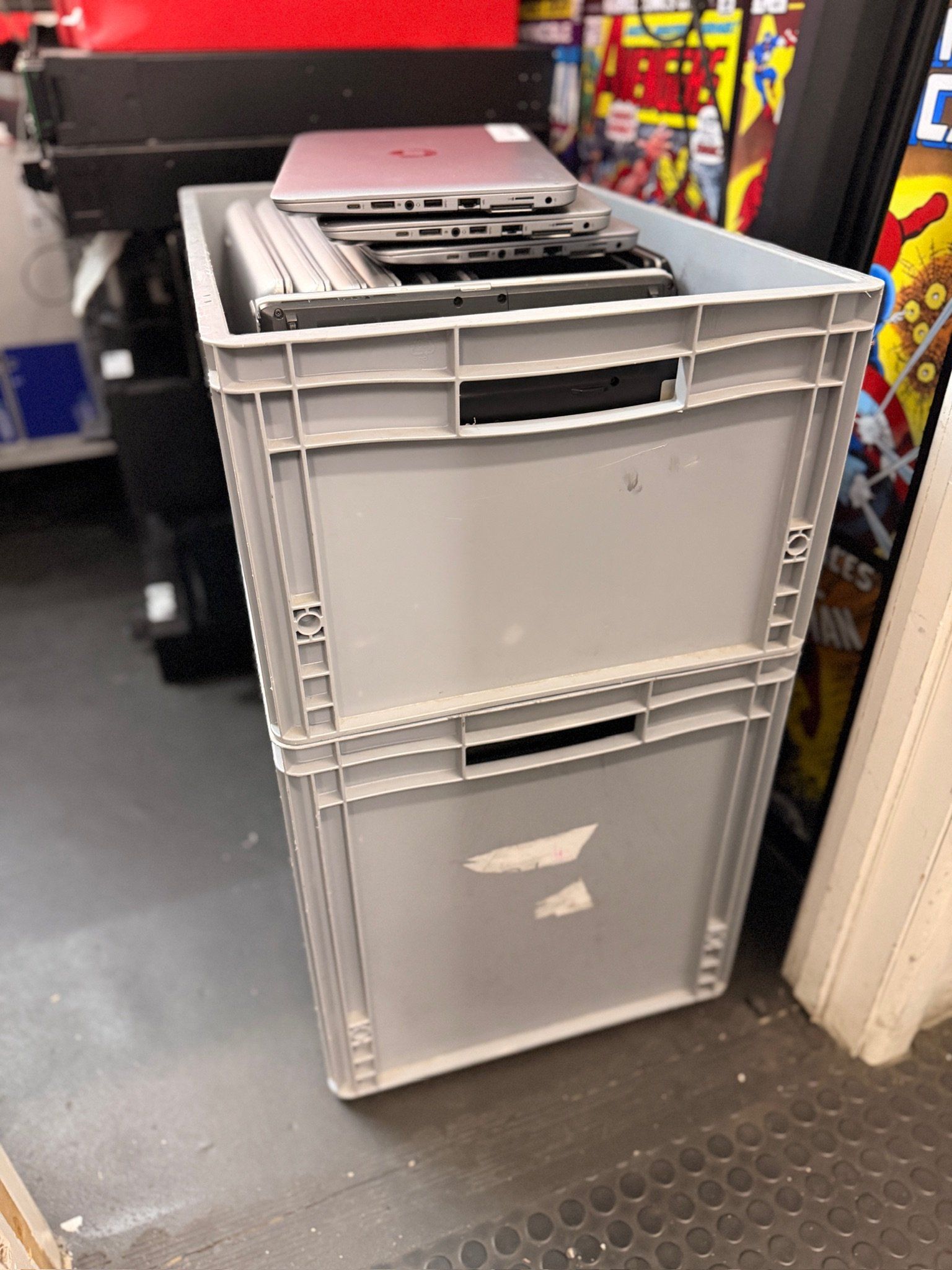
MacBook Pro laptops awaiting data erasure and buyback
Live programme

Laptops

Secure fleet retirement with MDM unenrolment, NIST 800-88 erasure, serialised reporting, and buyback of reusable units.

  • MDM unenrolment & certified wipe
  • Serialised chain of custody
  • Buyback & zero-landfill recycling
Updated 19 August 2026 Explore →
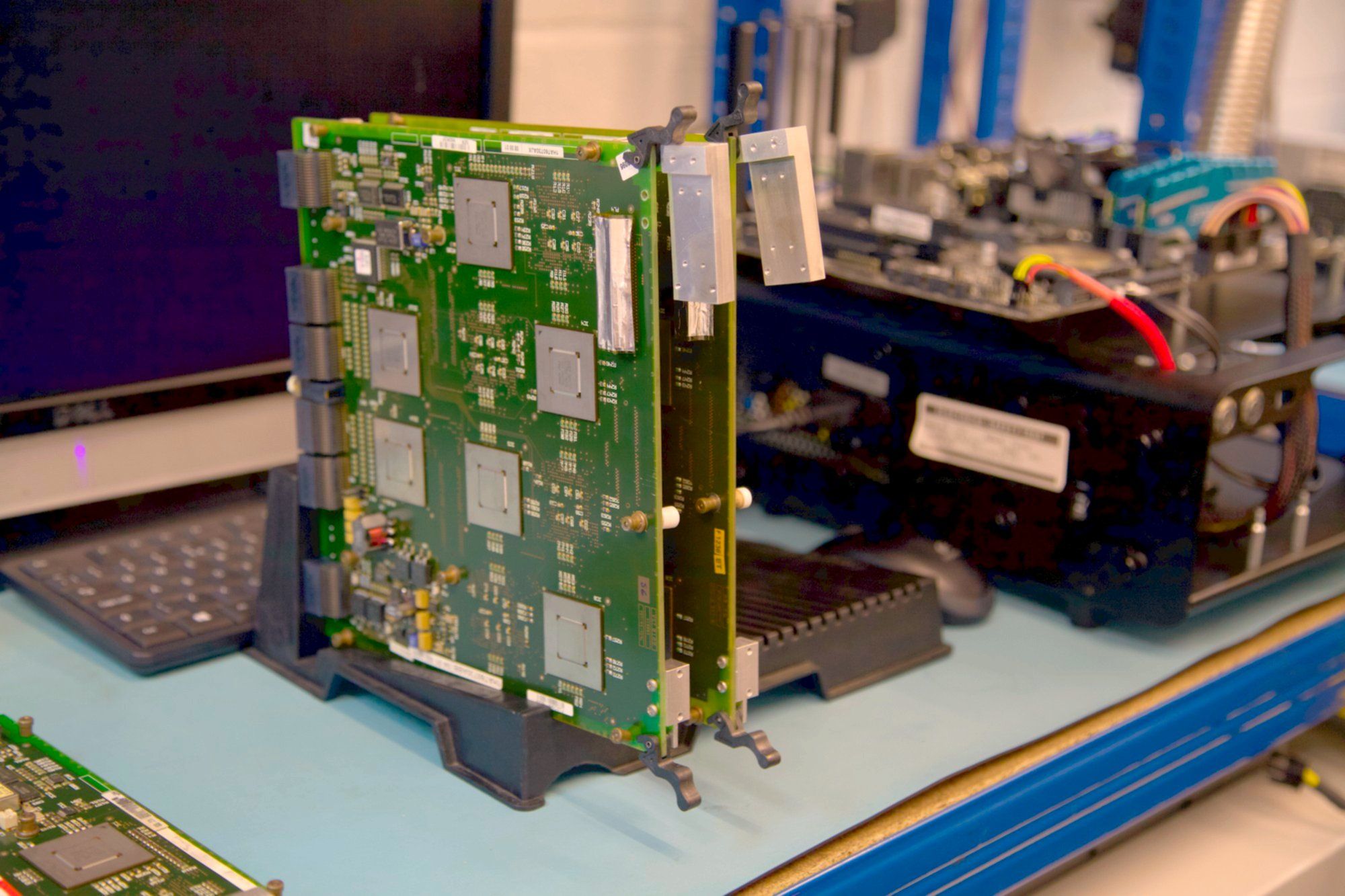
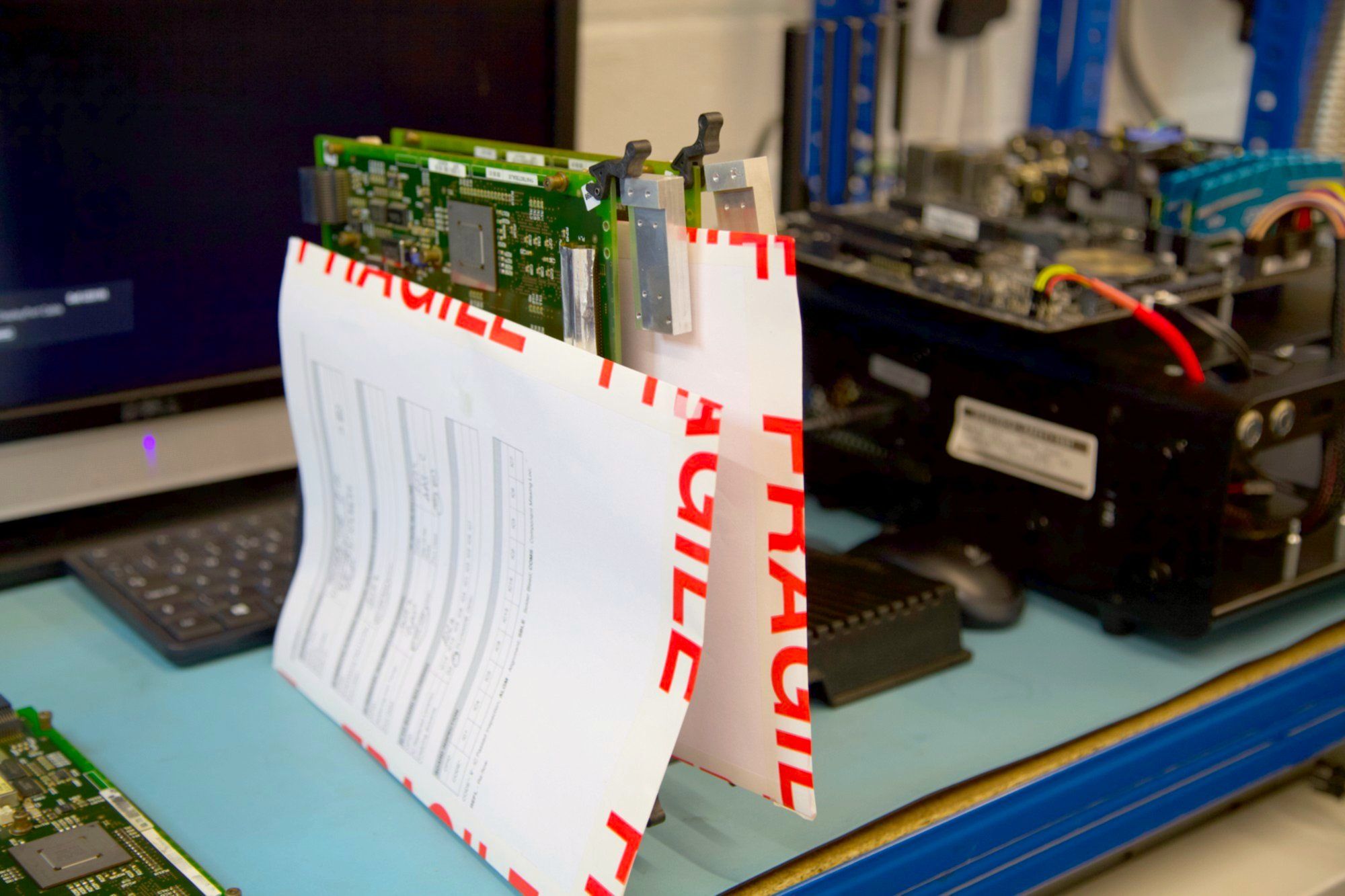
Server blade tested before decommissioning
Live programme

Servers & Data Centre Equipment

Dispose of, decommission, and recycle servers, storage, and networking gear with serialised chain of custody and residual-value recovery.

  • Controlled de-racking & removal
  • Certified drive destruction
  • Residual-value recovery
Updated 19 August 2026 Explore →
Stacked CRT and flat-panel monitors for WEEE recycling
Live programme

Monitors, TVs & Displays

WEEE-compliant recycling of flat-panel, LCD/LED, CRT, and TV displays with palletised collection and full Waste Transfer Notes.

  • Flat-panel, LCD/LED, CRT & TVs
  • Bulk palletised collection
  • Waste Transfer Notes & reporting
Updated 19 August 2026 Explore →
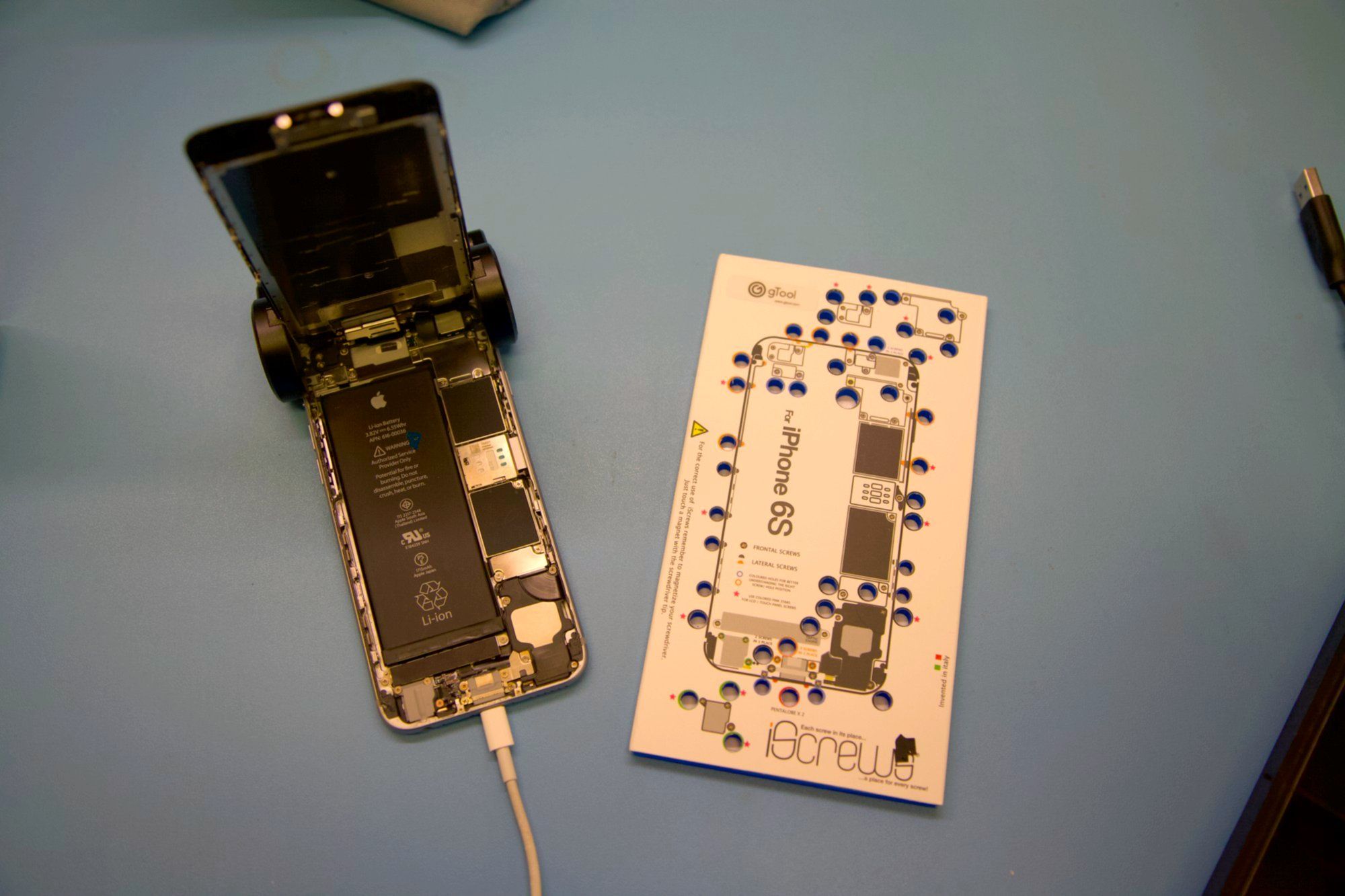
iPhone disassembled for certified data erasure
Live programme

Phones & Tablets

MDM unenrolment, certified erasure, safe battery handling, and buyback of reusable mobile devices.

  • MDM unenrolment & wipe
  • Battery handling under HWCN
  • Buyback of reusable devices
Updated 19 August 2026 Explore →
Telecom punch-down block and networking PCB
Live programme

Networking Equipment

Secure disposal and recycling of switches, routers, firewalls, and access points, with configuration wipe, certified data destruction, and buyback of reusable gear.

  • Switch & router decommissioning
  • Firewall & security appliance handling
  • Buyback of reusable enterprise gear
Updated 19 August 2026 Explore →
Printer internals with ribbon cables
Live programme

Printers & MFPs

WEEE-compliant recycling of inkjet, laser, and multifunction printers, with toner and cartridge handling and palletised collection.

  • Inkjet, laser & MFD recycling
  • Toner & cartridge handling
  • Waste Transfer Notes & reporting
Updated 4 September 2026 Explore →
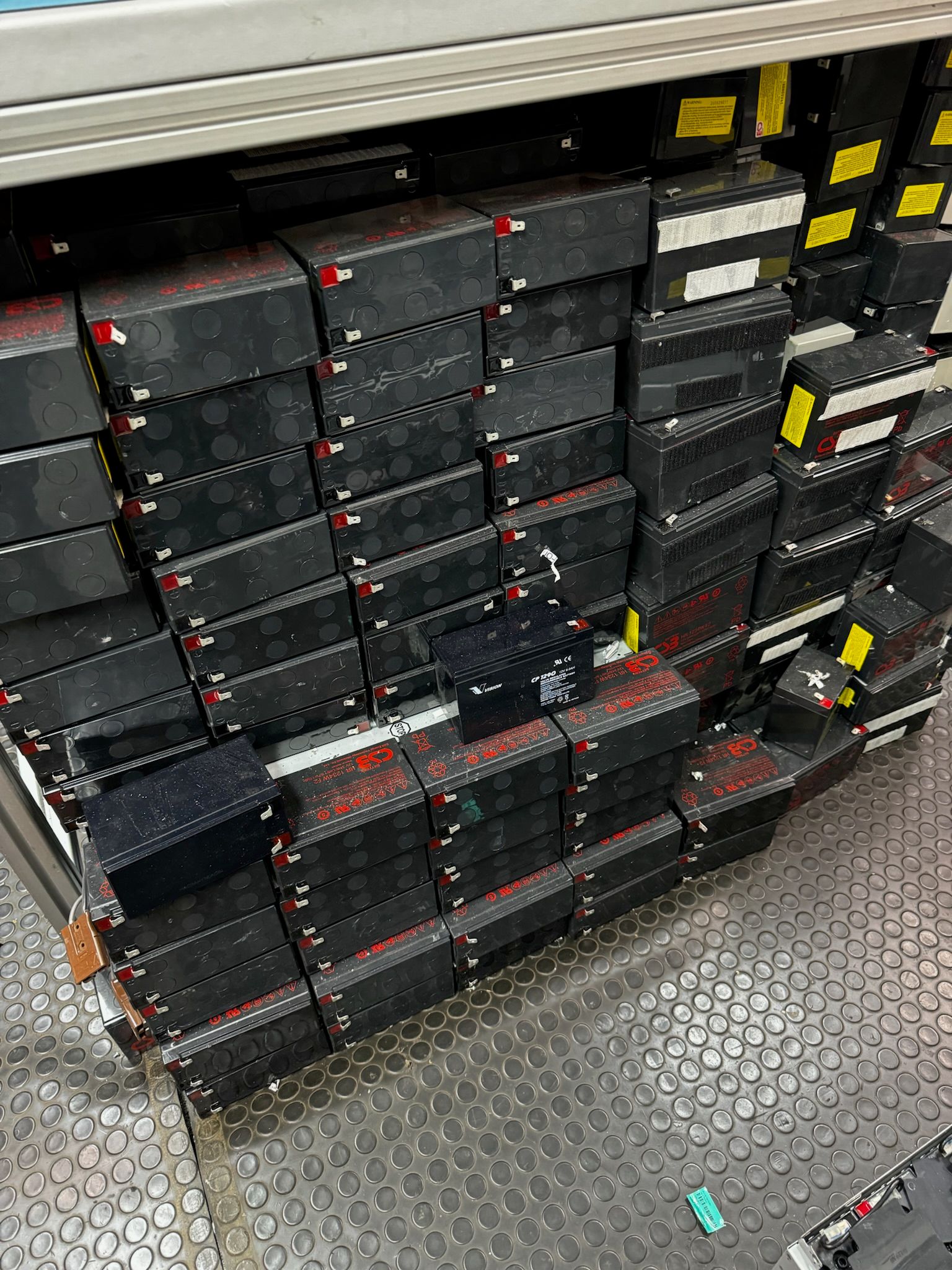
Batteries sorted for safe disposal
Live programme

Batteries

Safe lithium-ion and UPS battery disposal under ADR transport and Hazardous Waste Consignment Notes, with fire-safe handling.

  • Lithium-ion & UPS batteries
  • ADR-compliant transport
  • Hazardous waste documentation
Updated 4 September 2026 Explore →
Graphics card staged for sanitisation and resale
Live programme

GPUs & Graphics Cards

Secure disposal of GPUs and AI accelerator cards, with on-card data sanitisation, residual-value recovery for NVIDIA and HPC boards, and WEEE recycling.

  • On-card memory sanitised or destroyed
  • NVIDIA, AMD & HPC residual-value recovery
  • Serialised chain of custody
Updated 22 September 2026 Explore →
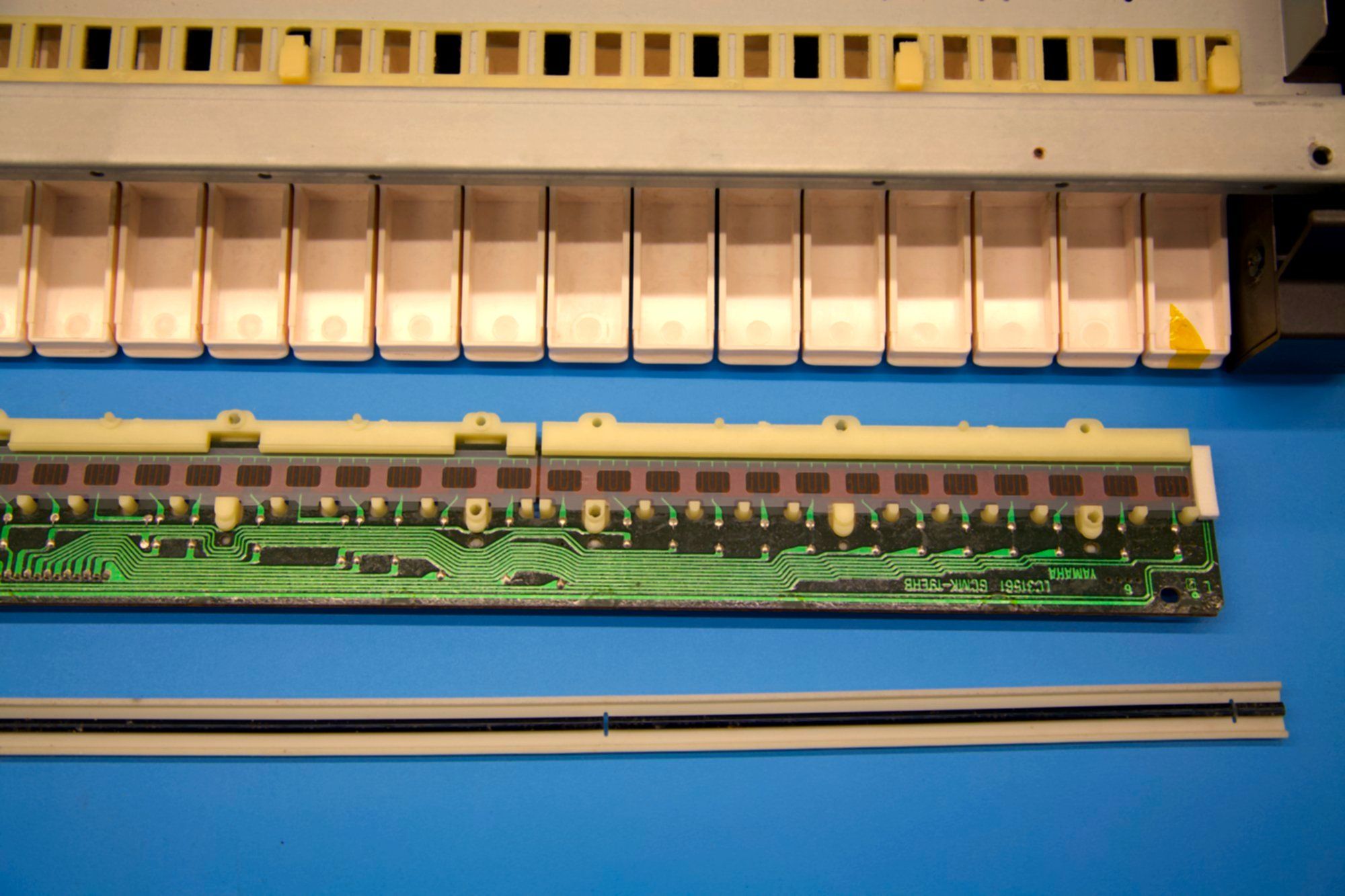
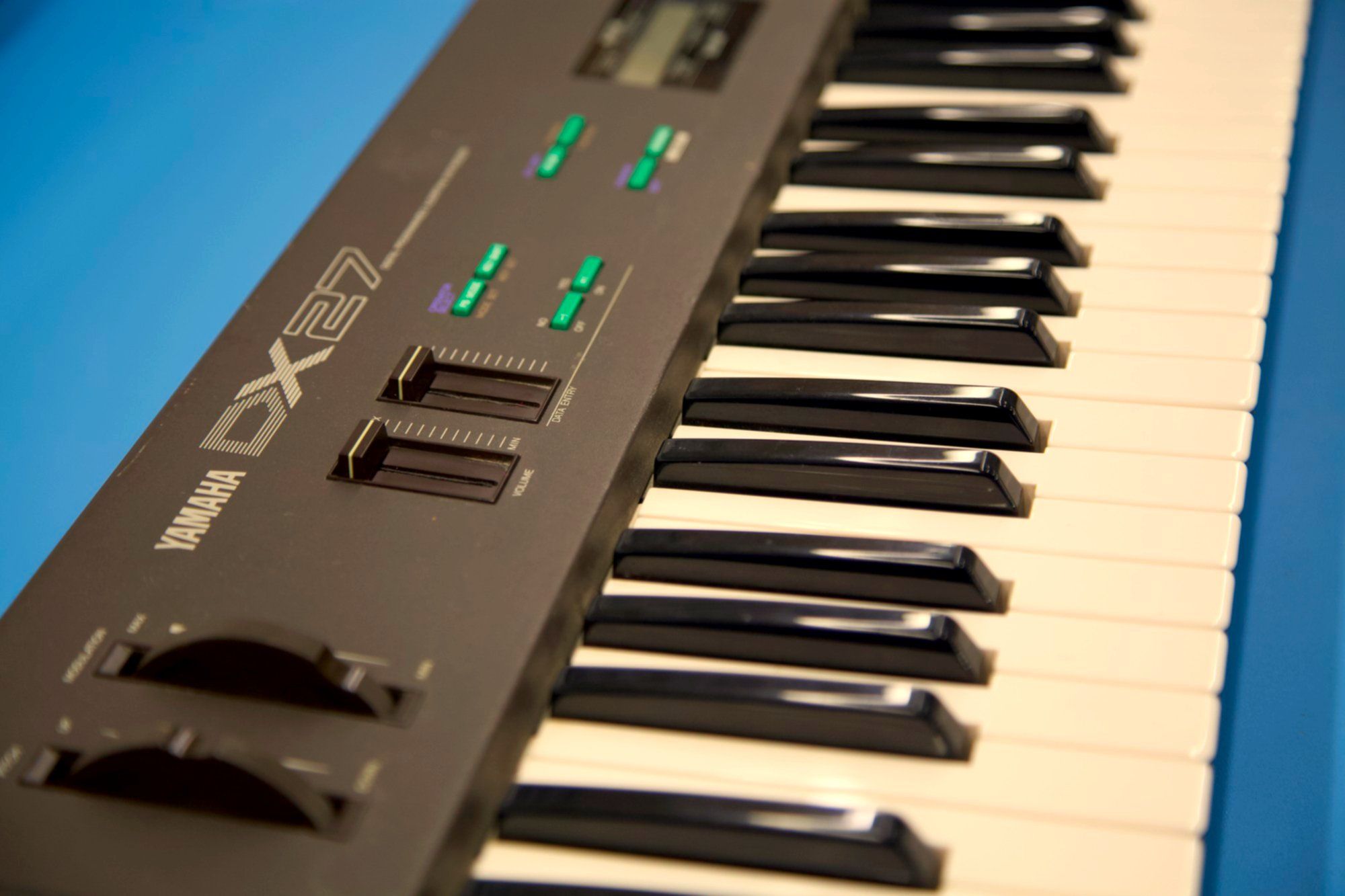
Yamaha synthesizer tested and repaired for resale
Live programme

Audio & Hi-Fi

Amplifiers, turntables, CD players and speakers tested, PAT-checked and repaired, then resold into the second-hand market.

  • Tested & PAT-checked
  • Repair before resale
  • Reuse over recycling
Updated 22 October 2026 Explore →
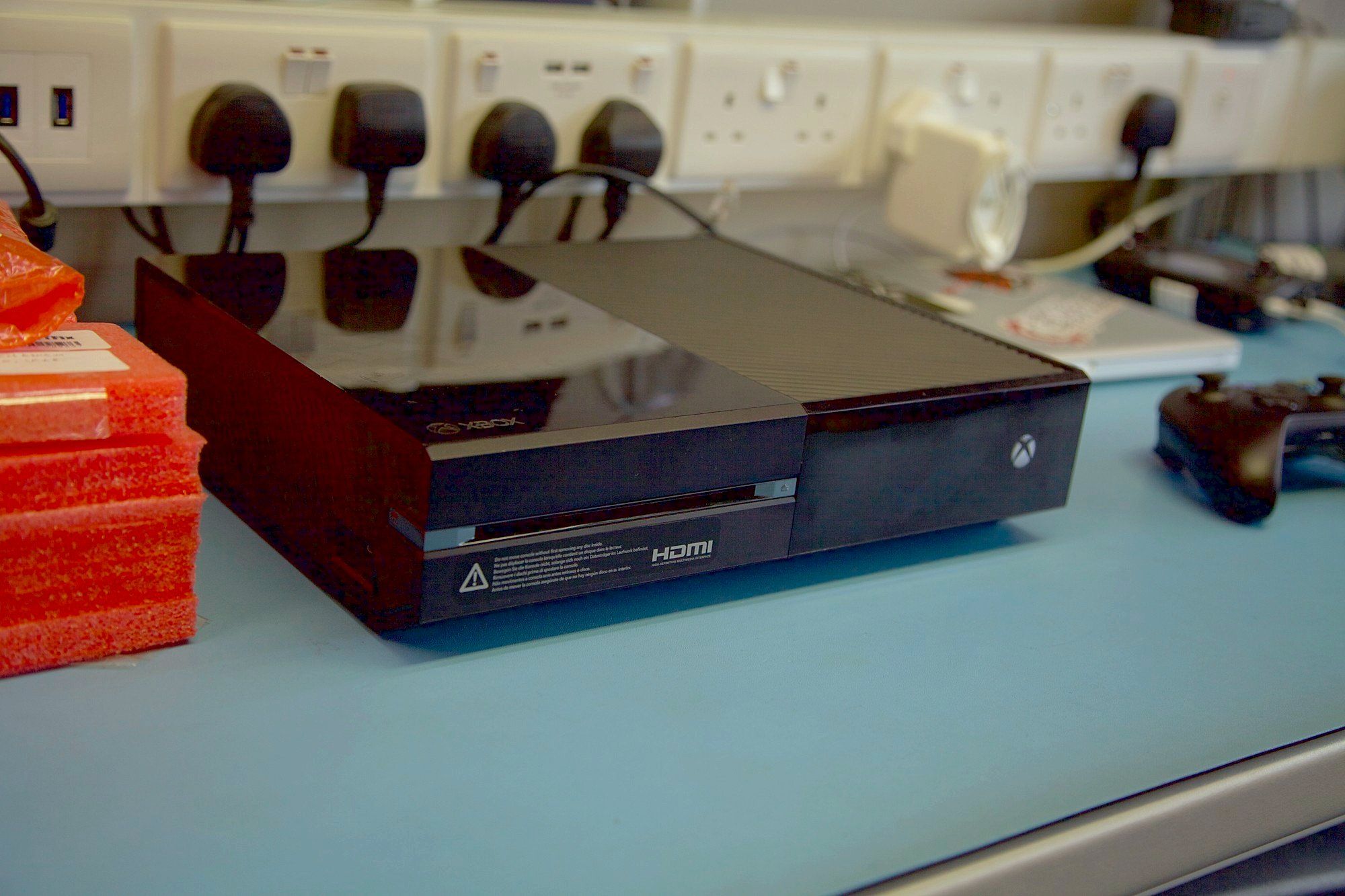
Xbox One console tested for reuse
Live programme

Consoles & Gaming

Games consoles and handhelds data-wiped, tested and repaired, then resold or redistributed.

  • Console storage wiped & certified
  • Tested & repaired
  • Resale or redistribution
Updated 22 October 2026 Explore →
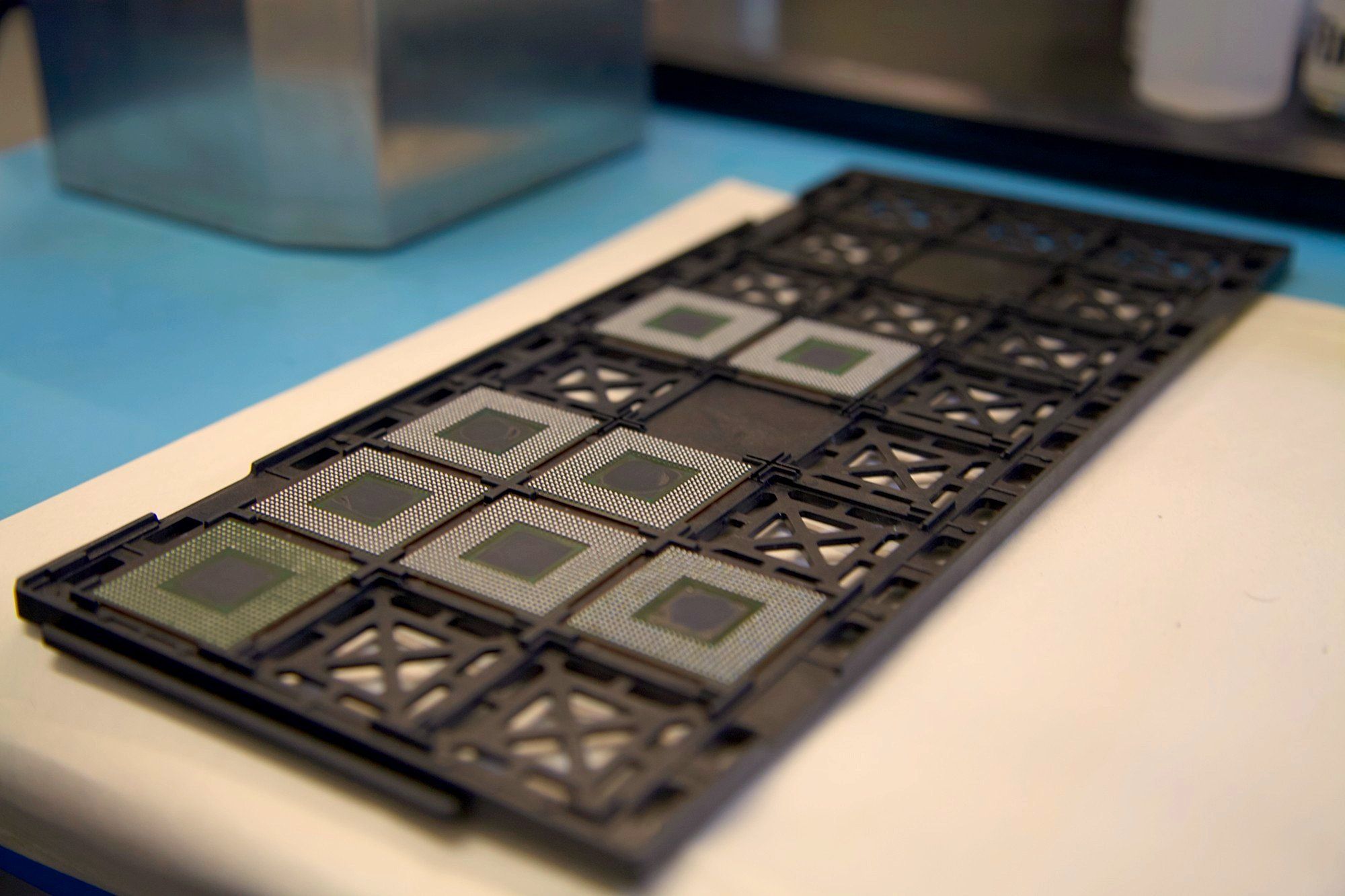
Recovered ICs sorted in trays
Live programme

Circuit Boards

High-value programmable ICs and connectors de-soldered in our soldering lab and released to prototypers and product developers.

  • ICs & microcontrollers recovered
  • Components into the secondary market
  • Gold, silver & copper reclaimed
Updated 22 October 2026 Explore →
Choosing the right route

IT asset disposal, IT recycling or WEEE disposal?

The terms get used interchangeably, but they carry different obligations. ITAD covers all three under one audit trail.

 What it coversData riskEvidence you get
IT asset disposition (ITAD)The whole retirement — data destruction, decommissioning, resale and recyclingManaged per deviceSerialised certificates plus Waste Transfer Notes
IT asset recyclingEnd-of-life hardware only — nothing is reusedOnly if media is destroyed firstWaste Transfer Notes; data certificates only if added
WEEE disposalCompliance route for electrical waste, with no value recoveryOften not addressedWaste Transfer Notes

Most organisations need ITAD rather than plain recycling, because the risk sits in the drives rather than the metal. For the destruction routes in detail, see erasure vs shredding vs degaussing.

Budgeting

What ITAD costs

ITAD is priced on the estate, not a flat rate. Four things move the number, and all four are settled at survey — before anything is collected.

  • Asset mix — drives and servers cost more to process than monitors
  • Access — upper floors, goods lifts and timed loading bays add crew hours
  • Destruction method — NIST erasure, physical destruction, or witnessed removal
  • Recovery value — resale of reusable kit is offset against the invoice
See the pricing benchmark →

What the quote covers

  • Collection by licensed, GPS-tracked transport
  • Serialised logging and chain of custody
  • Erasure or destruction to your chosen standard
  • Certificate of Destruction per device
  • Waste Transfer Notes and environmental reporting

Collection starts from around £250 for a small van with one operative. Processing is quoted after survey, and recovery value is deducted.

Certifications & Compliance

Compliance You Can Verify

We lead with paperwork, not promises. Every registration below is independently checkable, and every project is delivered against recognised UK standards.

CredentialReferenceIssued / recognised byWhat it proves
Waste Carrier RegistrationCBDU656692Environment AgencyLegal authority to transport and carry controlled waste and end-of-life IT across the UK.
WEEE Treatment Exemption (T11)EXP/UP3043JDEnvironment AgencyAuthorised to treat waste electrical and electronic equipment for reuse and recycling.
ICO Data Protection RegistrationZB787416Information Commissioner's OfficeRegistered to process personal data in line with UK GDPR and the Data Protection Act 2018.
Cyber EssentialsReference on requestIASME (NCSC scheme)Independently verified baseline cyber-security controls protecting your data while in our custody.
ADR 1.3 Dangerous Goods Awareness (Driver Training)Reference on requestEcoStar (Dangerous Goods Training Online)Collection drivers are trained to handle and transport equipment containing lithium batteries (UN3481, Class 9) in line with ADR dangerous goods rules.

Certification vs alignment: the table lists the registrations and certifications TFix holds and can evidence. References to ISO 27001 elsewhere on this site describe alignment with its information-security principles, not certification.

Standards we work to

  • NIST SP 800-88 Rev.2— Media sanitisation standard governing secure erase and physical destruction.
  • NCSC Secure Sanitisation Guidance— Current UK government guidance on secure sanitisation and disposal of storage media (replaces the withdrawn HMG IA Standard 5).
  • UK GDPR & Data Protection Act 2018— Legal basis for evidenced, auditable destruction of personal data.
  • WEEE Regulations— Environmental compliance for waste electrical and electronic equipment.

Need our paperwork for an RFP or audit?

We can supply our registrations, insurance certificates, and sample destruction outputs as part of your supplier due diligence.

National coverage

ITAD collections across the UK

Every project is processed at our licensed Mitcham (CR4 3FH) facility, with crews working nationwide. Local pages cover access, timing and borough detail.

ITAD FAQs

What is ITAD?

IT Asset Disposition (ITAD) is the secure, documented retirement of end-of-life business IT: certified data destruction, decommissioning, and resale or recycling of hardware, handled on a serialised chain of custody.

What does ITAD include?

ITAD covers secure data destruction, de-racking and decommissioning, logistics, and then either certified resale (value recovery) or WEEE recycling — all documented with serialised certificates and Waste Transfer Notes.

Why use a specialist ITAD provider?

A specialist provider supplies the licences, audit trail, and standards alignment (NIST 800-88, GDPR, WEEE) that in-house disposal rarely matches, and recovers residual value to offset cost — without sending data-bearing kit to untracked brokers.

What is the difference between ITAD and IT recycling?

IT recycling only covers end-of-life hardware, so data-bearing media can be recycled with the data still on it. ITAD covers the whole retirement — destruction, decommissioning, recovery and recycling — with per-device evidence. Most organisations need ITAD because the risk sits in the drives, not the metal.

Is ITAD a legal requirement in the UK?

There is no one ITAD law. The obligations come from three places: UK GDPR and the Data Protection Act 2018, which require personal data to be destroyed and the destruction evidenced; the WEEE Regulations 2013, which require electrical waste to go through an authorised treatment route; and hazardous waste rules for batteries. An ITAD programme is how organisations meet all three in one documented project.

How much does ITAD cost?

ITAD is priced per project, driven by asset mix, access, destruction method and recovery value. Collections start from around £250 for a small van with one operative, with processing quoted after a survey. Resale value from reusable equipment is offset against the invoice.

Do you collect IT equipment nationwide?

Yes. Every project is processed at our licensed Mitcham facility, with collections across England, Wales and Scotland. London, Surrey, Kent, Hertfordshire, Berkshire and Sussex have dedicated coverage pages with access detail.

What evidence do we receive after an ITAD project?

A serialised asset inventory, a Certificate of Destruction for every device, chain-of-custody records, Waste Transfer Notes for collected waste, Hazardous Waste Consignment Notes where batteries are involved, and an environmental and resale report.

Don't see your equipment?

We handle the full IT estate

Tell us what you need to retire and we will scope a secure, compliant programme around it — whether or not a dedicated page exists yet.