The short answer:
The waste hierarchy is the legal order of preference for managing waste in the UK — prevention first, then preparing for reuse, recycling, other recovery, and disposal as the last resort. It is the framework every UK business must apply when deciding what happens to waste.
For IT, it means asking — in order — can this be reused, repaired, recycled, or recovered — before anything is disposed of.
Last reviewed: 20 September 2026 • Methodology
Avoid creating waste in the first place — buy only what you need, maintain equipment, and extend life through repair and refurbishment.
Check, clean, repair, or refurbish items so they can be used again by someone else — the tier TFix prioritises through testing, grading, and resale or donation.
Recover materials from waste — metals, plastics, and precious metals — and turn them back into raw material instead of landfill.
Recover value in other ways, such as energy recovery from waste that cannot be reused or recycled.
The last resort — landfill or incineration without recovery. TFix maintains a zero-landfill policy for the equipment it processes.
tiers, from prevention to disposal
the UK regulations that made it law
the EU directive that first defined it
waste to landfill under TFix policy

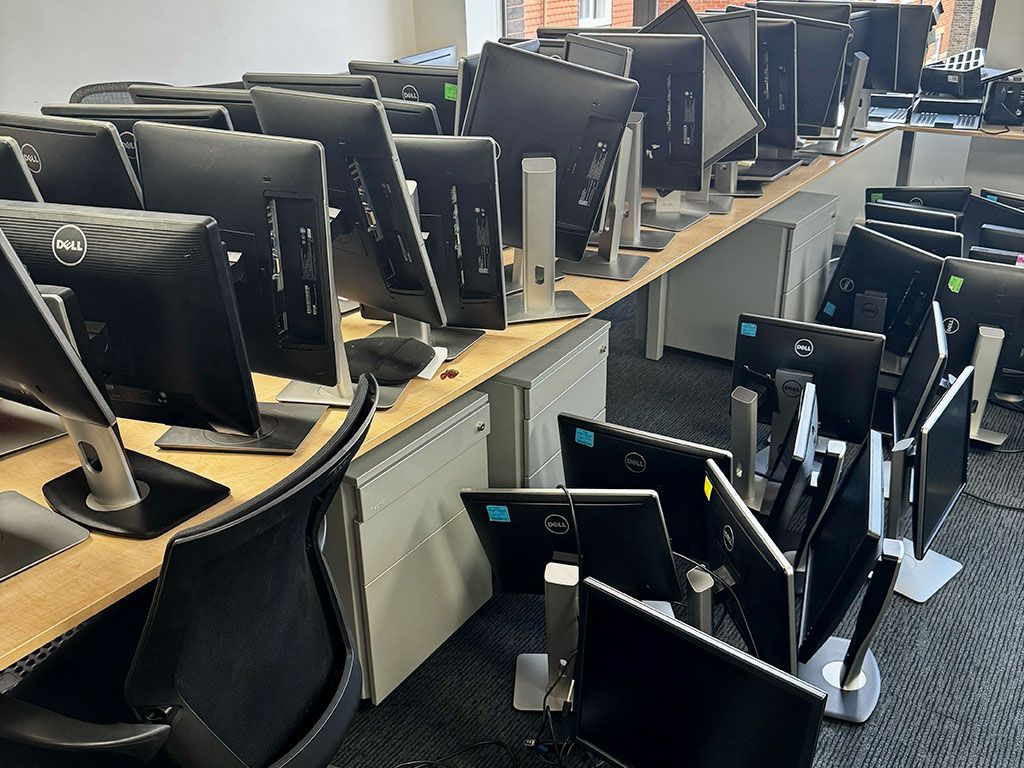
Working devices are tested, graded, and resold or donated — keeping them in use rather than in the waste stream.
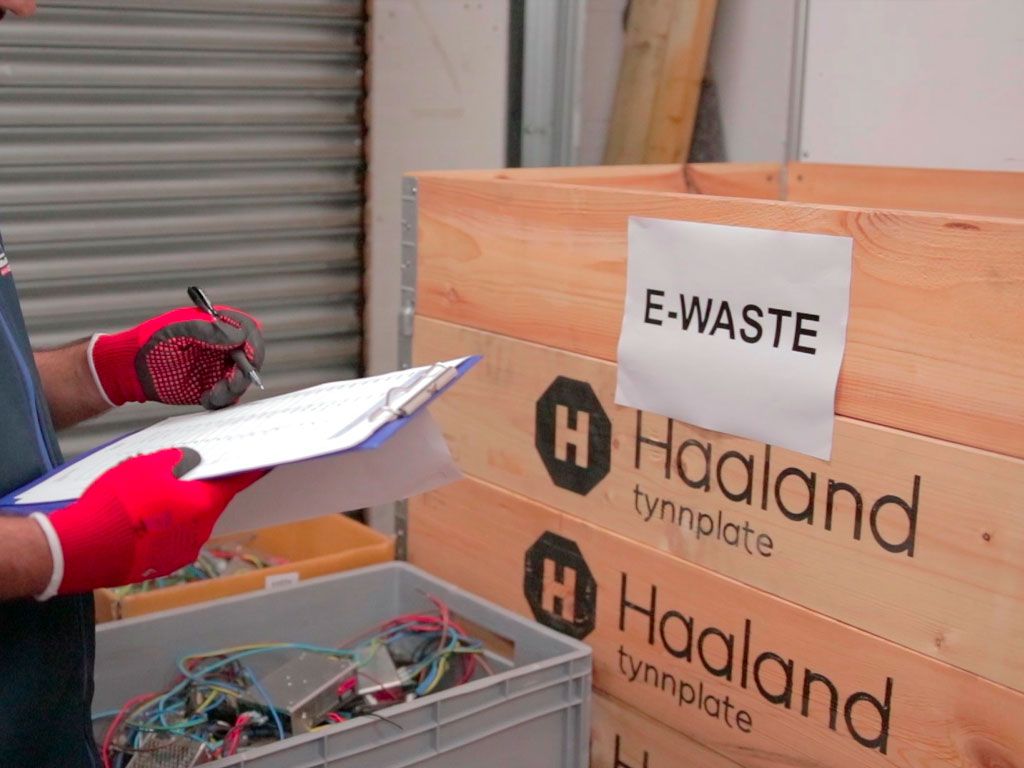
End-of-life equipment is dismantled and materials recovered under WEEE, with hazardous components separated correctly.
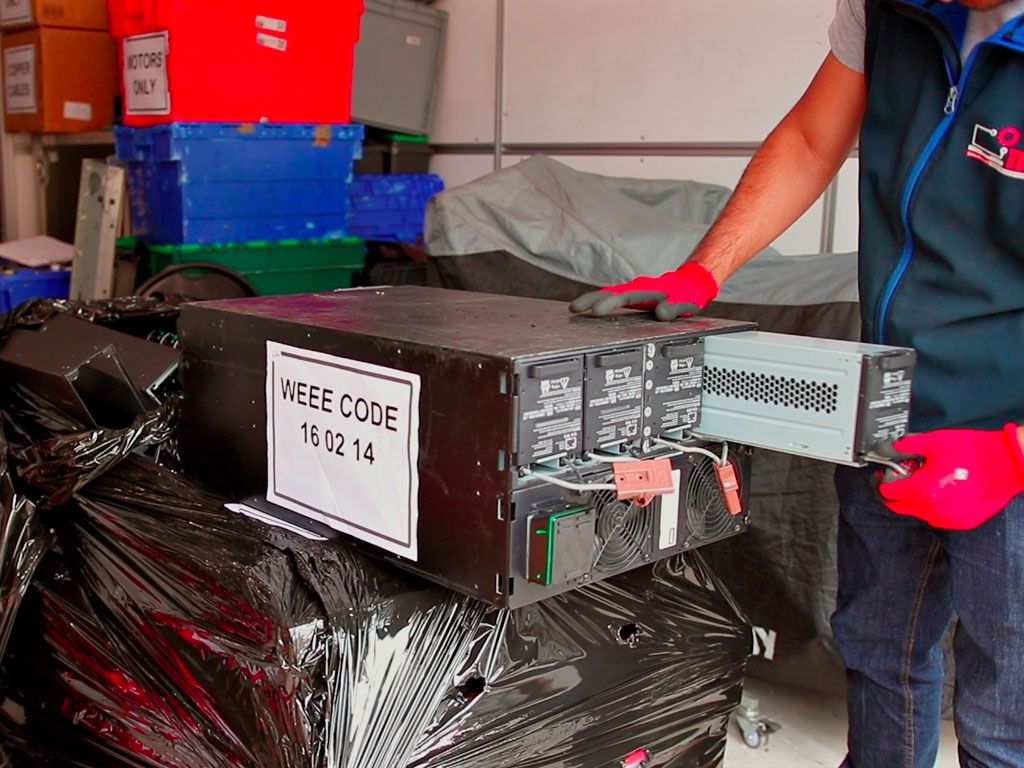
Only material with no reuse or recovery route is disposed of — and TFix operates a zero-landfill policy for the equipment it processes.
The UK legislation that sets out the waste hierarchy and the duty to apply it. It transposes the EU Waste Framework Directive into domestic law. Read the Regulations (legislation.gov.uk).
The European directive that first defined the five-step hierarchy, retained in UK law after Brexit. It establishes that prevention is the preferred option and disposal the last resort. Read the Directive (EUR-Lex).
| Tier | What it means for IT | TFix service |
|---|---|---|
| 1. Prevention | Buy only what you need and extend device life through maintenance. | Asset recovery & buyback keeps value in use. |
| 2. Preparing for re-use | Test, repair, refurbish, and donate working equipment. | Connected Classrooms and refurbishment resale. |
| 3. Recycling | Recover metals, plastics, and precious metals from end-of-life equipment. | WEEE recycling and material recovery. |
| 4. Other recovery | Recover value another way, such as energy recovery. | Used only where reuse and recycling are not possible. |
| 5. Disposal | Landfill or incineration without recovery — the last resort. | Zero-landfill policy for the equipment TFix processes. |
The waste hierarchy is the legal order of preference for managing waste in the UK: prevention first, then preparing for reuse, recycling, other recovery (such as energy recovery), and disposal as the last resort.
From most to least preferred: 1) Prevention, 2) Preparing for re-use, 3) Recycling, 4) Other recovery, and 5) Disposal.
Yes. It is set out in the Waste (England and Wales) Regulations 2011, which implement the EU Waste Framework Directive, and businesses must apply it when deciding how to manage waste.
TFix applies it in order: prevent waste by refurbishing and reusing working equipment, then recycle or recover materials, and only dispose of what genuinely cannot be reused or recycled — with a zero-landfill policy for the equipment we process.
Secure erasure lets a device move back up the hierarchy into reuse or resale. Physical shredding is used when a device cannot be safely reused — the shredded material is then recycled, so even destroyed equipment feeds the recycling tier rather than disposal.
No. UK businesses must apply the hierarchy when deciding how to manage waste. It is a legal requirement under the Waste (England and Wales) Regulations 2011, and regulators expect organisations to demonstrate they have considered the higher tiers before disposal.
Recycling turns waste back into raw materials used to make new products. Recovery extracts value in other ways — most commonly energy recovery from waste that cannot be recycled. The hierarchy ranks recycling above other recovery.