TCG Opal 2.0 PSID Unlocking for Bricked Enterprise NVMe SSDs
Last reviewed: 20 May 2026 • For: procurement, compliance, operations, and IT teams • Methodology
Supporting proof: Documents & accreditations, decision pages, and project scoping.
- Industry
- Information Technology / ITAD
- Location
- London, United Kingdom
- Goals
- The primary goals were to securely unlock and sanitise a massive batch of misdiagnosed "bricked" NVMe SSDs using automated firmware-level recovery, maximising asset lifecycle and financial ROI while ensuring 100% compliance with UK data protection laws.
- Type
- Enterprise Cloud & IT Infrastructure Network
- Project Date
- 20 May 2026
- Last Reviewed
- 20 May 2026
Overview
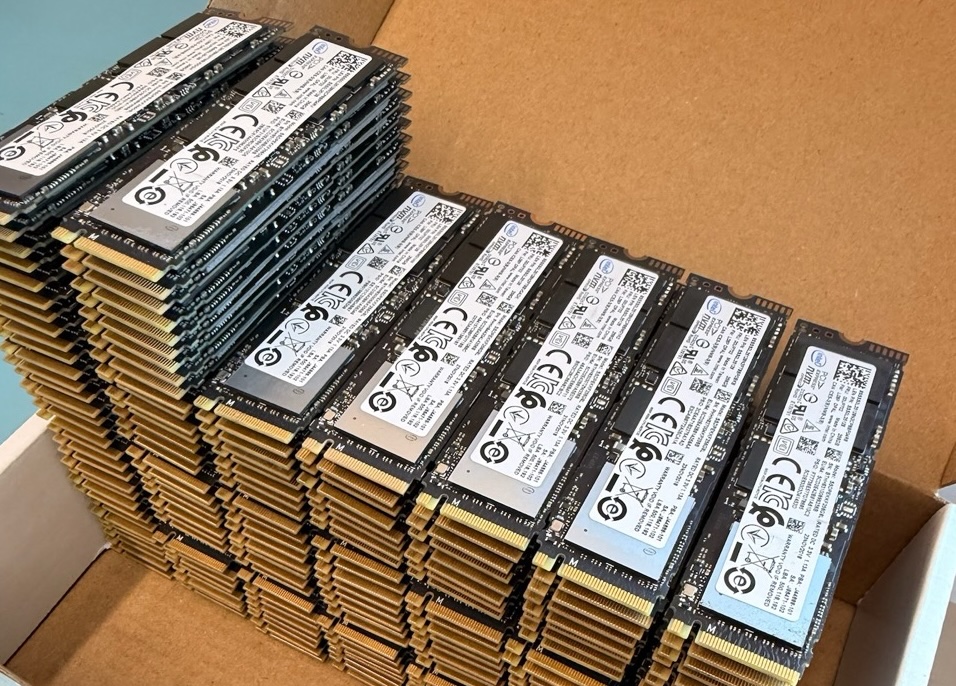
A large company that provides enterprise IT infrastructure was about to shred a massive batch of high-capacity NVMe solid-state drives (SSDs). The drives appeared to be "bricked" (permanently broken) and write-protected during the decommissioning process. TFix stepped in with a custom, firmware-level recovery process. By bypassing standard software limitations, TFix safely erased and saved the drives, helping the client hit their financial recovery and electronic waste reduction goals.
The Challenge
-
Misdiagnosed Hardware: The client’s internal tech team thought the SSDs had reached the end of their lifespan because standard erasing software and BIOS wipes kept failing. In reality, the hardware wasn't broken; the drives were simply locked at the hardware level by built-in security protocols (TCG Opal 2.0).
-
Time and Labor Bottlenecks: Unlocking these drives manually requires a technician to type in a unique 32-character Physical Security ID (PSID) for every single drive. This DIY method is slow, prone to human error, and too expensive to do for hundreds of units.
TFix Solution
1. Automated Firmware-Level Unlocking
TFix used a specialized system to bypass the "frozen" states that usually stop security commands from reaching the drive. Using an automated workflow, TFix removed the need for slow manual labor, allowing the team to unlock large batches of SSDs all at once with a success rate of over 95%.
2. Secure Cryptographic Erase
Instead of standard overwriting—which takes hours and can miss hidden areas—TFix used a method called Cryptographic Erase (CE). This process permanently destroys the internal encryption keys right on the drive's firmware. It guarantees that the data is completely unrecoverable, even by advanced forensic labs, while meeting strict data privacy laws like GDPR.
3. Factory-Level Reset & Testing
Because a PSID reset is a factory-level command, it clears the security lock without wearing out the drive's physical memory (NAND flash). The TFix team thoroughly tested and certified the health of each drive, ensuring they performed like new before sending them to the secondary market.
Results
-
Massive Profit Turnaround: Instead of treating the drives as scrap metal (which only pays about £0.50 to £1.00 per drive), TFix restored their market value to between £35.00 and £50.00 per drive.
-
95%+ Recovery Success: The team successfully unlocked and saved the vast majority of the batch, keeping high-performance hardware out of the industrial shredder.
-
Full Legal Compliance: TFix provided the client with complete, official audit trails proving that all data was permanently and safely destroyed.
Client Outcome
The client avoided the high costs and environmental waste of destroying perfectly good technology. By partnering with TFix, they turned a costly disposal job into a smart recovery strategy. This extended the life of their hardware, kept valuable equipment in use, and ensured they stayed 100% compliant with UK data protection laws.
Services Delivered
-
Enterprise SSD PSID Unlocking
-
Firmware-Level Hardware Recovery & Testing
-
Certified Data Sanitization (Cryptographic Erase)
-
Sustainable IT Asset Disposal (ITAD)