
Sourced Reference

UK IT Disposal & E-Waste Statistics

The numbers behind IT disposal — how much e-waste the world produces, how often old drives still hold data, and what getting disposal wrong costs. Every figure below is sourced and dated.

Updated 5 October 2026 · compiled from the UN Global E-waste Monitor, Blancco, the ICO, and TFix’s own market research.

Headline number

62M

tonnes of e-waste generated worldwide in 2022

Source: UN Global E-waste Monitor 2024
62M

tonnes of e-waste, 2022

42%

of used drives still held data

£17.5M

maximum UK GDPR fine

82M

tonnes projected by 2030

The volume problem

62M

tonnes of e-waste generated worldwide in 2022

Up 82% from 2010, and enough to fill 1.55 million 40-tonne trucks.

UN Global E-waste Monitor 2024 · 2024

82M

tonnes of e-waste projected by 2030

A further 33% rise on the 2022 figure — e-waste is growing five times faster than documented recycling.

UN Global E-waste Monitor 2024 · 2024

22.3%

of e-waste documented as collected and recycled in 2022

Less than one quarter of the year's e-waste was verifiably recycled, leaving valuable resources in landfill.

UN Global E-waste Monitor 2024 · 2024

£49B

of recoverable resources lost to undocumented e-waste

Gold, copper and rare earth elements that recycling would otherwise have recovered. The UN reports this as US$62 billion (converted at ~1.27 USD/GBP).

UN Global E-waste Monitor 2024 · 2024

The data-security risk

42%

of second-hand hard drives still contained residual data

A study of drives sold on online marketplaces found recoverable data on 42% of them.

Blancco — The Leftovers study · 2018

15%

of those drives held personally identifiable information

Emails, photos and documents that should have been wiped before the device changed hands.

Blancco — The Leftovers study · 2018

£17.5M

or 4% of global turnover — the maximum UK GDPR fine

The ICO can fine up to £17.5 million or 4% of annual worldwide turnover, whichever is higher, for serious breaches.

Information Commissioner's Office · 2018

The market reality

32

UK public ITAD & WEEE contracts tracked

Named-supplier public award data, with £7.3 million in single-award value.

TFix Market Report Q3 2026 · 2026

22

named suppliers in the market

Only one — TFix — publishes its unit rates, so buyers can compare like-for-like.

TFix Market Report Q3 2026 · 2026

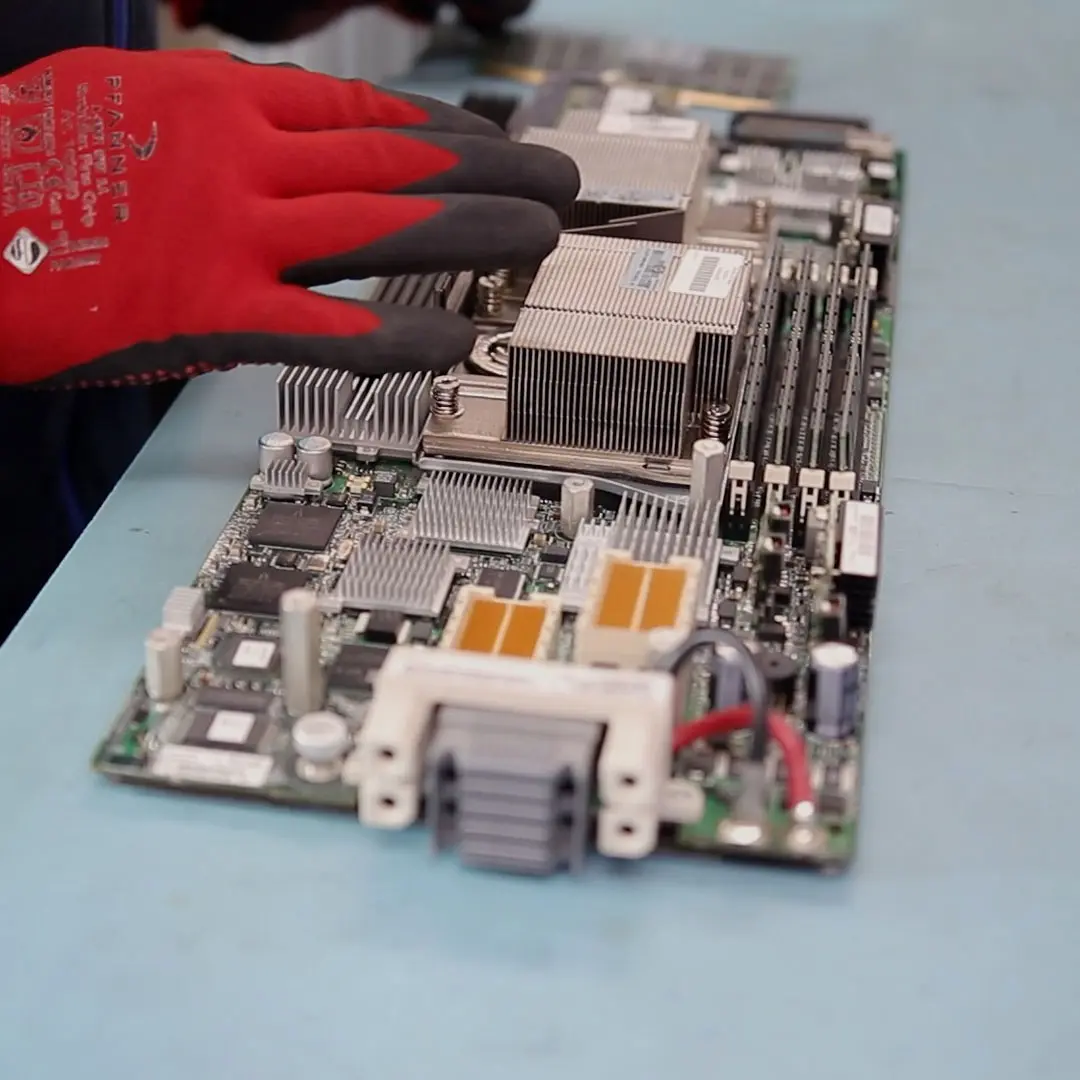
WEEE being sorted for recycling

The same device that’s a data breach waiting to happen is also recoverable value sitting in a cupboard.

Certified erasure turns the first into the second — the data is provably gone, and the hardware can be resold or recycled instead of shredded or landfilled.

Certified Data Destruction →
Methodology

Where the numbers come from

Figures are reproduced from the published sources above and reflect the year stated. Statistics change year to year — we update this page as new reports land.

Statistics FAQs

How much e-waste does the UK produce?

Globally, 62 million tonnes of e-waste were generated in 2022, and the UK is one of Europe’s largest per-capita producers of electrical waste. Worldwide, the figure is on track to reach 82 million tonnes by 2030.

How often do used hard drives still contain data?

Blancco’s “The Leftovers” study found 42% of second-hand hard drives sold online still contained residual data, and 15% of those held personally identifiable information. This is why certified erasure or physical destruction matters before any device is reused or resold.

What can a data breach cost under UK GDPR?

The ICO can fine up to £17.5 million or 4% of annual worldwide turnover — whichever is higher — for serious data-protection breaches. Evidenced, certified data destruction is the proof that protects you.

Where do these statistics come from?

Each figure is sourced and dated on the page. Global volumes come from the UN Global E-waste Monitor 2024; data-security figures from Blancco’s second-hand drive studies and the ICO; and market figures from TFix’s own UK ITAD & WEEE Market Report.

Turn the numbers into action

Certified data destruction with proof, not promises

Erase or shred every data-bearing device to NIST 800-88, with a serialised certificate per drive — from £10 per drive.