Siemens Healthineers Laptop Recycling: From Collection to Reuse

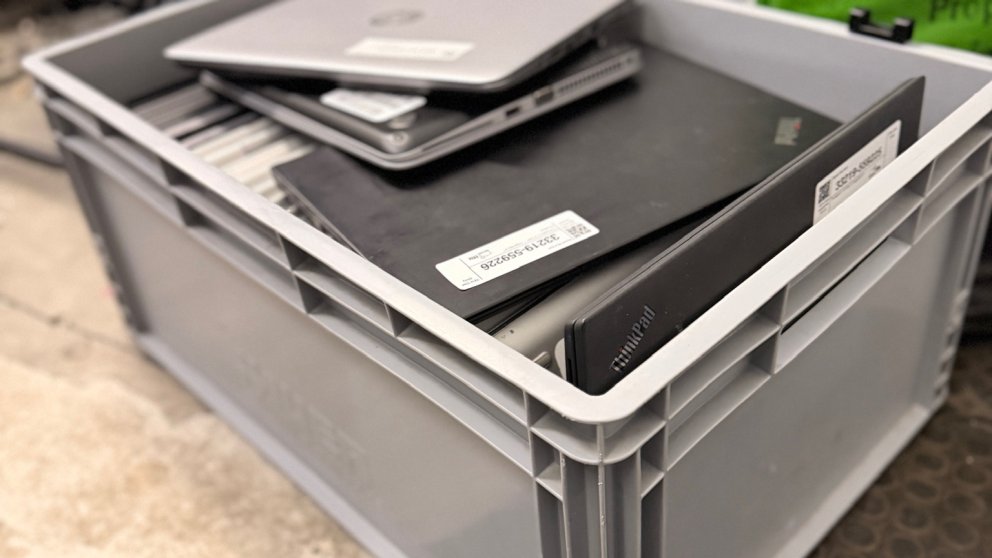
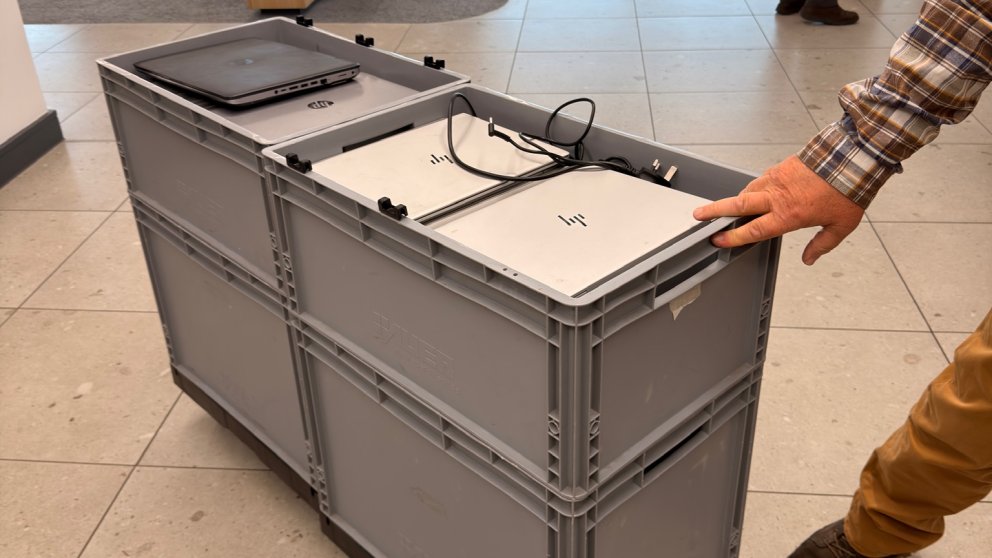
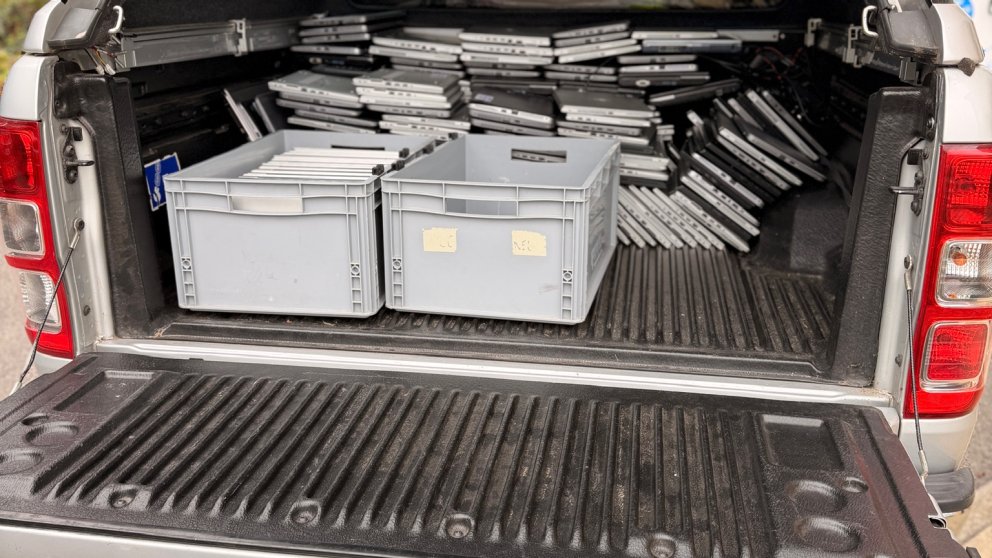
What happens when hundreds of business laptops reach the end of their first working life? For Siemens Healthineers, the answer began with a coordinated collection project supporting Recycling Week. We visited their site to collect 207 laptops for responsible processing, with the aim of keeping as much equipment as possible in use and directing the proceeds from future resale towards education and schools.
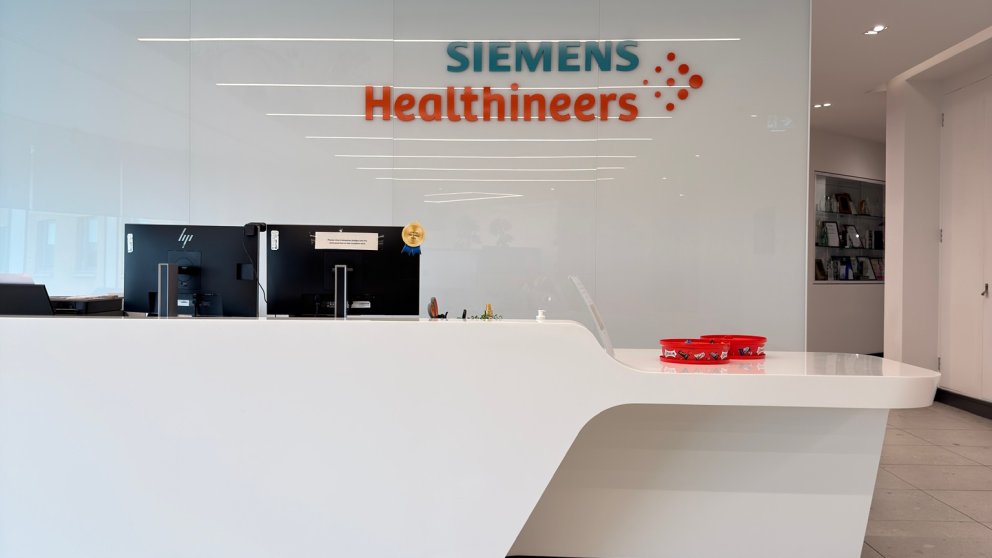
A collection is only the first stage of responsible IT asset disposition. The equipment now moves through a controlled process covering inventory, data erasure, certification, access removal, repair, testing and reuse. Each step helps protect the organisation, preserve asset value and support a more circular approach to technology.
Collecting 207 laptops for Recycling Week
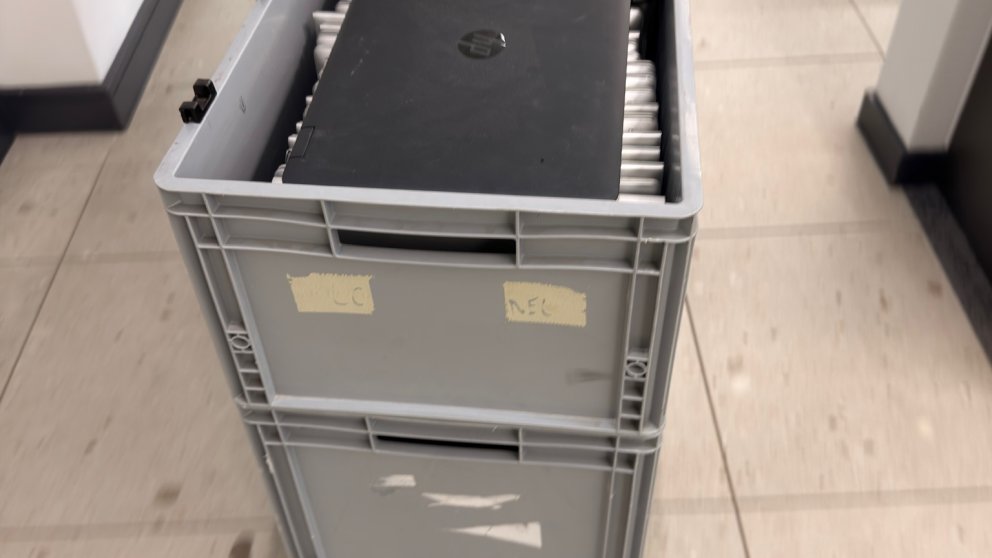
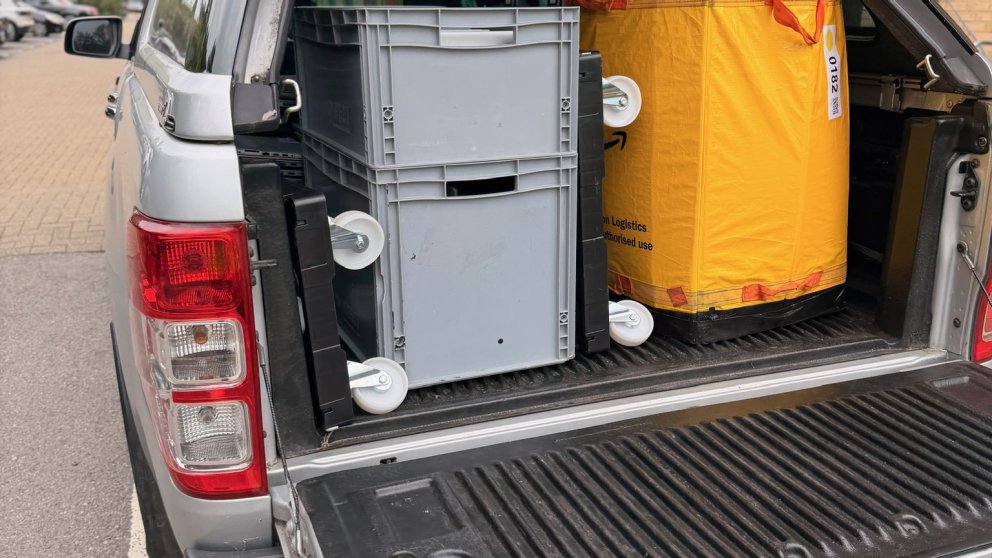
Large-scale technology collections need careful planning. Equipment must be gathered efficiently, moved safely and kept together so that the receiving organisation can establish a reliable chain of custody. Our collection from Siemens Healthineers brought 207 laptops into the recycling and reuse process, rather than leaving the equipment to become unmanaged electronic waste.
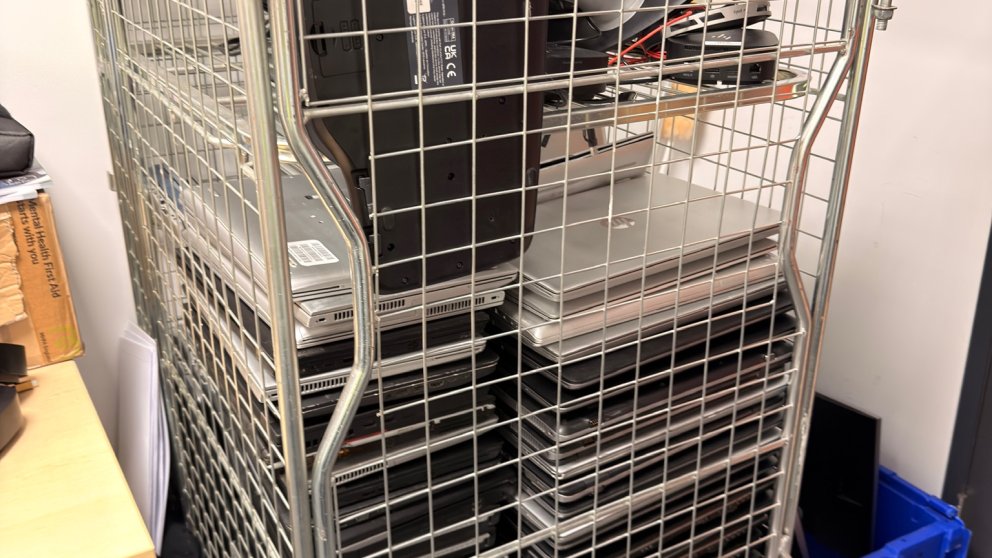
For IT managers and sustainability teams, projects like this can form part of a wider IT refresh, office clearance or corporate recycling initiative. They also provide an opportunity to make sure that equipment is handled in line with internal policies and wider environmental responsibilities.
Why detailed inventory matters
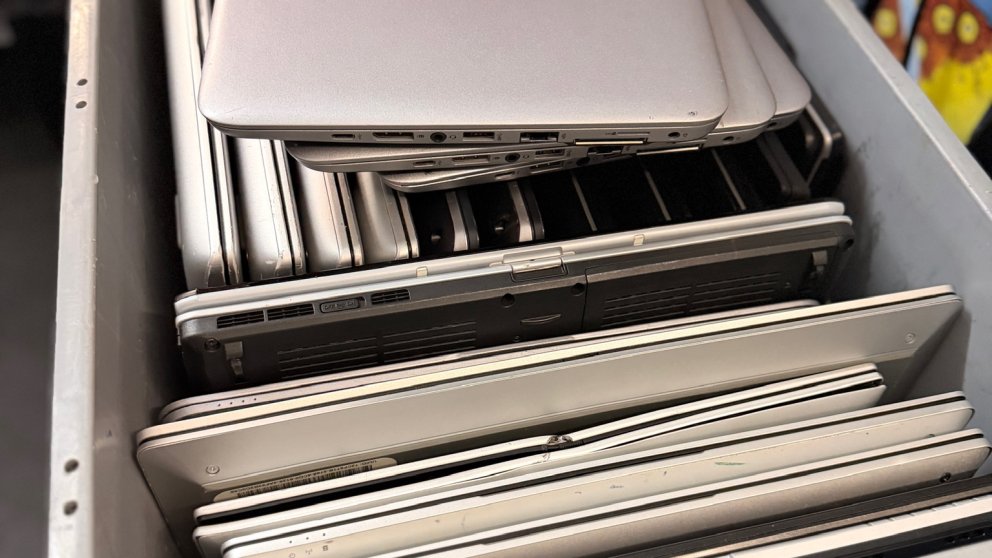
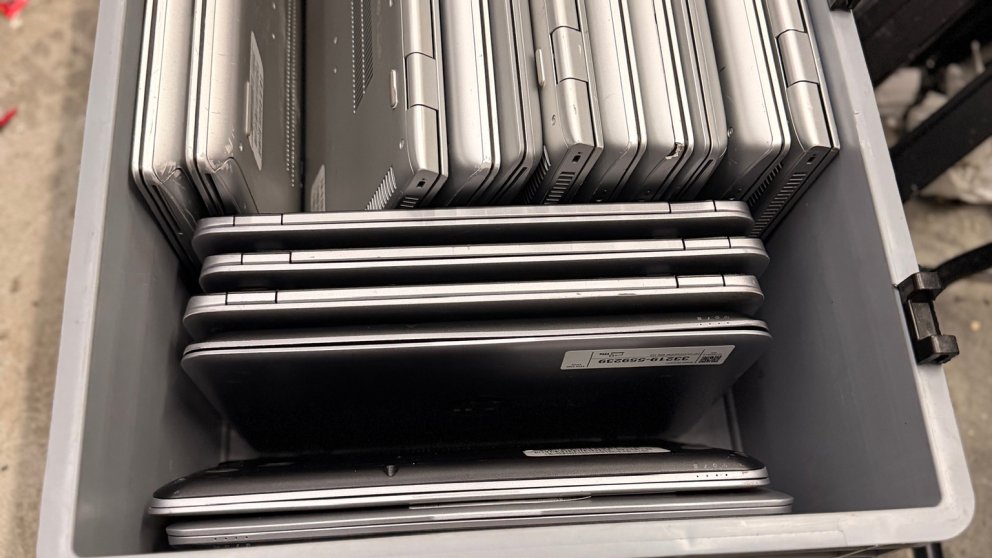
The next step is a detailed inventory of the collected laptops. Recording the make, model, serial number, condition and other relevant identifiers creates an accurate record of what has been received. This information supports reporting, helps identify individual assets and provides a clear basis for deciding what should happen next.
A good inventory can also help organisations understand the outcome of an ITAD project. It distinguishes equipment suitable for reuse from items requiring further treatment and makes it easier to reconcile the original collection against the final processing results.
Data erasure and certificates of destruction
Before any laptop can be repaired, tested or returned to the market, its stored data must be addressed. We will carry out secure data erasure as part of the processing, helping to prevent sensitive information from being recovered from the devices.
Documentation is an important part of this stage. Certificates of destruction will provide evidence of the completed data destruction activity for the relevant assets. For organisations managing confidential, personal or commercially sensitive information, this type of reporting helps support internal governance and supplier accountability.
Removing BIOS passwords and MDM locks
Security controls that protect devices during their original deployment can create practical barriers when hardware is being prepared for a second life. BIOS passwords and mobile device management, or MDM, locks may prevent technicians from fully accessing, configuring or testing a laptop.
As part of this project, we will work with Siemens Healthineers to remove the BIOS passwords and MDM locks. This is done with the organisation's authorisation and is an essential handover step. Without the appropriate access changes, otherwise usable equipment may be restricted from refurbishment or resale.
Repair, testing and a route back into use
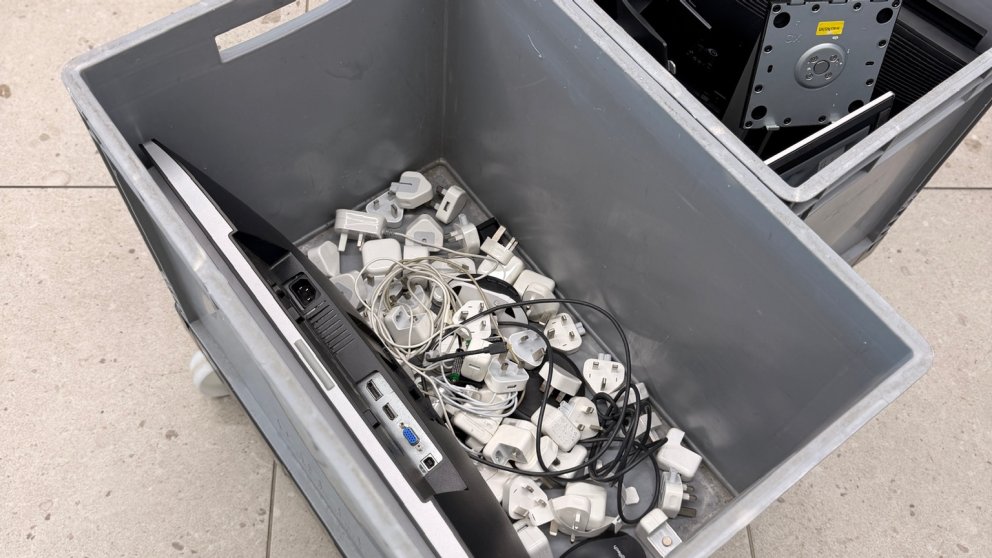
Once the laptops have been inventoried, erased and released from the relevant access controls, we will assess, repair and test them. This may include checking the hardware, cleaning the devices, confirming that they start correctly and verifying key functions before they are prepared for the circular market.
The goal is not simply to process old equipment as waste. Where condition and demand allow, reuse can extend the working life of laptops and reduce the need for new manufacturing. It also gives organisations a clearer picture of how their retired technology can retain value after it leaves the workplace.
- Inventory: record the collected assets and their condition.
- Data security: erase stored information and provide appropriate documentation.
- Access removal: work with the client to address BIOS passwords and MDM locks.
- Preparation: repair, test and grade suitable laptops.
- Reuse: return eligible equipment to the circular market.
Turning recovered value into support for education
Any proceeds generated when the refurbished laptops are placed back into the circular market will be donated to education and schools. This connects responsible electronics recycling with a practical social benefit: usable technology is kept in circulation, while recovered value supports learning opportunities.
For businesses, this demonstrates how an IT asset recovery project can contribute to more than one objective. It can support data protection, improve reporting, reduce unnecessary waste and create a positive outcome for communities.
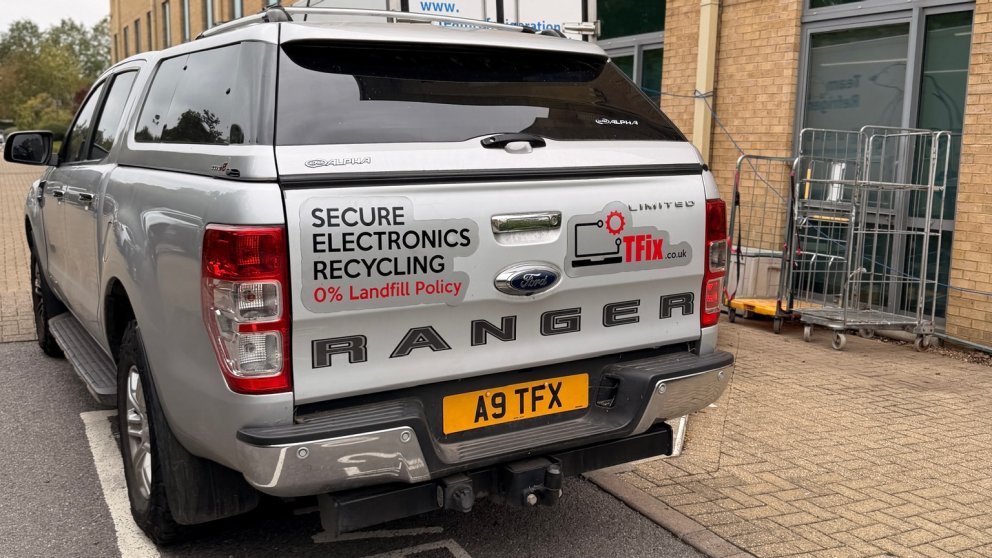
We are pleased to support Siemens Healthineers with this Recycling Week collection. From the first inventory record through to data erasure, access removal, testing and reuse, every stage matters. Responsible ITAD is not just about disposing of equipment; it is about making sure technology is handled securely and given the best possible next step.
Ready to act on this?
Book a free ITAD assessment, compare your destruction options, or review provider-selection guidance before choosing a partner.
Need help with this in your organisation?
Book the matching service directly based on this article topic.