Secure IT Asset Recovery: From Erasure to Education

When a business renews its computer estate, the outgoing devices still have value. They may contain reusable hardware, recoverable materials and, most importantly, data that must be handled responsibly. We recently recovered a large number of computers from a client renewal cycle and managed the equipment through quarantine, secure data erasure and preparation for reuse.
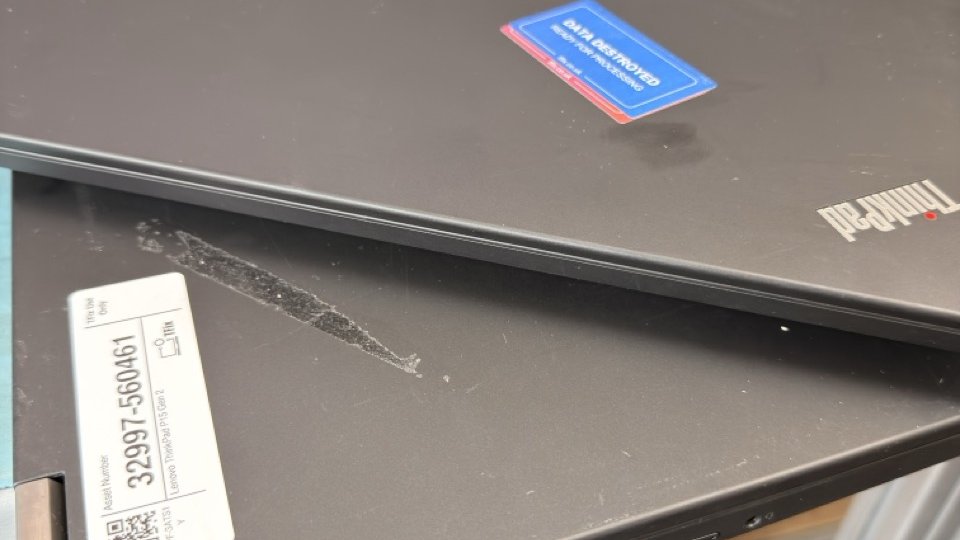
This process shows how a structured IT asset disposition (ITAD) programme can support data security, environmental responsibility and social value at the same time. Rather than treating old computers as waste, we assess what can be securely refurbished and returned to productive use.
Why quarantine matters after an IT refresh
Equipment arriving from a renewal project should not simply be placed into general stock. Until its data-bearing components have been identified and processed, every computer must be treated as potentially containing business information.
Our quarantine stage creates a controlled separation between incoming equipment and devices that are ready for refurbishment or onward use. It helps us maintain clear handling procedures while the computers are checked, recorded and prepared for secure erasure.
This is especially important for organisations managing laptops, desktops and other devices that may have been used to access customer records, financial information, internal documents or business systems. Removing a device from a network does not remove the data stored on it.
Secure data erasure using tScrub
Once the computers have been quarantined, we erase the data using tScrub. This allows us to process the storage media in a controlled way and produce data erasure certification through Certificates of Destruction (CoDs).
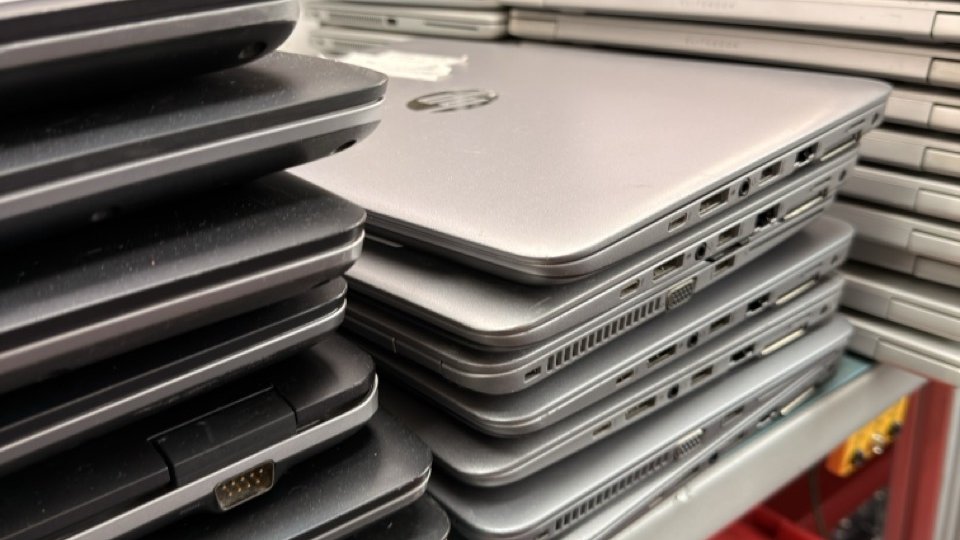
For IT managers and business owners, the certificate is an important part of the audit trail. It provides documented evidence that the relevant devices have gone through the agreed data erasure process, rather than relying on an informal statement that a computer has been wiped.
A robust record should connect the completed erasure to the equipment being processed. Depending on the project, this can include identifying information such as asset details or serial numbers, making it easier for an organisation to demonstrate how retired devices were handled.
Preparing computers for refurbishment
Secure erasure is only one part of responsible asset recovery. After data has been removed, we can assess the computers for refurbishment. This may involve inspection, cleaning, testing and checking the condition of key components before the equipment is considered suitable for resale.
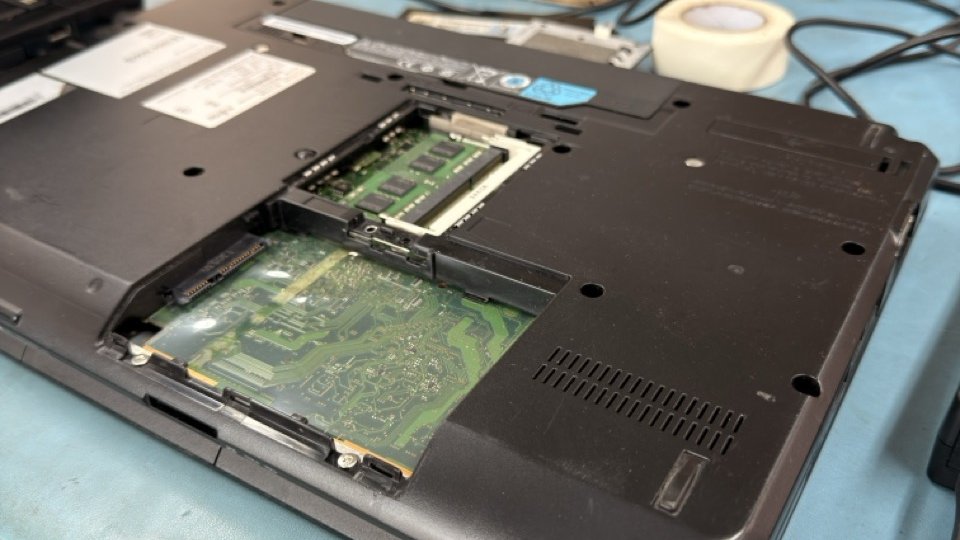
Refurbishment extends the useful life of technology and can reduce the need for new materials and manufacturing. It also gives organisations a more sustainable route for handling equipment replaced during a hardware refresh.
Not every device will be suitable for reuse. Some may be too damaged, obsolete or uneconomical to refurbish. In those cases, the equipment should be directed into appropriate WEEE recycling and asset recovery channels, with data-bearing parts handled securely before dismantling.
Supporting the circular economy
Computers that pass the necessary checks can be sold into the circular economy, where they are used again instead of being discarded at the end of their first ownership cycle.
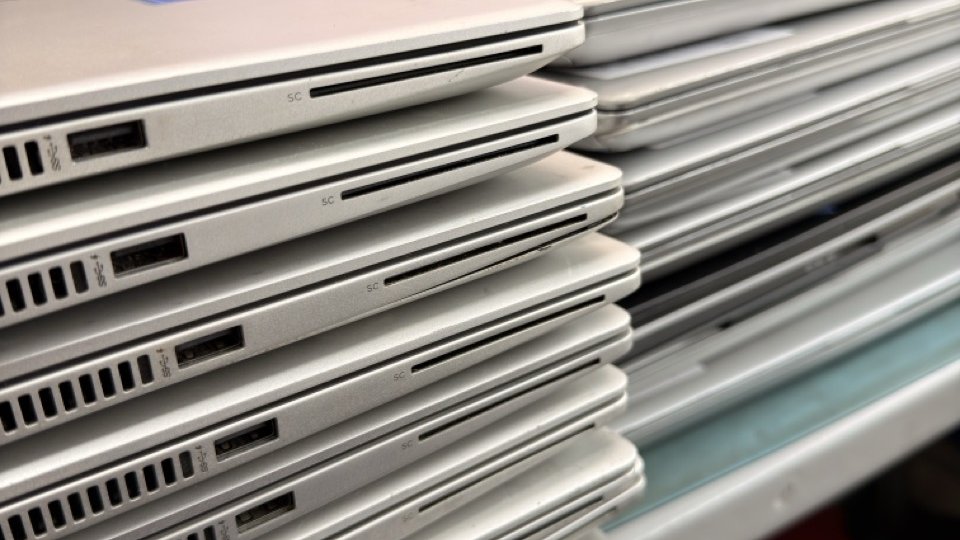
This approach keeps products and components in use for longer and helps make better use of the resources already invested in the equipment. It also gives the original owner a clearer understanding of what happened to its retired IT assets after collection.
For a renewal project, the main benefits of a managed process include:
- Controlled handling of computers before data erasure
- Documented data erasure through CoDs
- Assessment for refurbishment and resale
- Responsible recycling for equipment that cannot be reused
- A route for recovered value to support a wider social purpose
Turning recovered value into education support
In this project, proceeds from the refurbished computers will go as donations to the education sector. This gives the equipment a second life while allowing the value recovered from the renewal cycle to support learning and education.
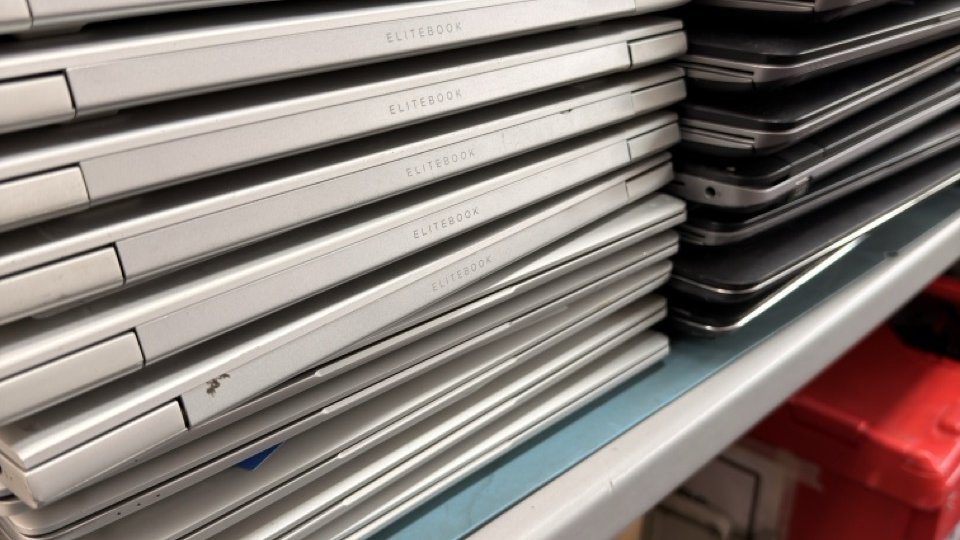
It is a practical example of how secure IT recycling can contribute to more than compliance. With the right controls, an organisation can protect its data, reduce unnecessary waste, recover value from retired hardware and support a positive social outcome.
When planning an IT refresh, it is worth considering the full journey of the outgoing equipment: where it will be stored, how data will be erased, what can be refurbished and how the final outcome will be evidenced. We can help you learn more about our IT recycling and data erasure services.
Ready to act on this?
Book a free ITAD assessment, compare your destruction options, or review provider-selection guidance before choosing a partner.
Need help with this in your organisation?
Book the matching service directly based on this article topic.