School IT Recycling: Secure Data Erasure and Asset Recovery

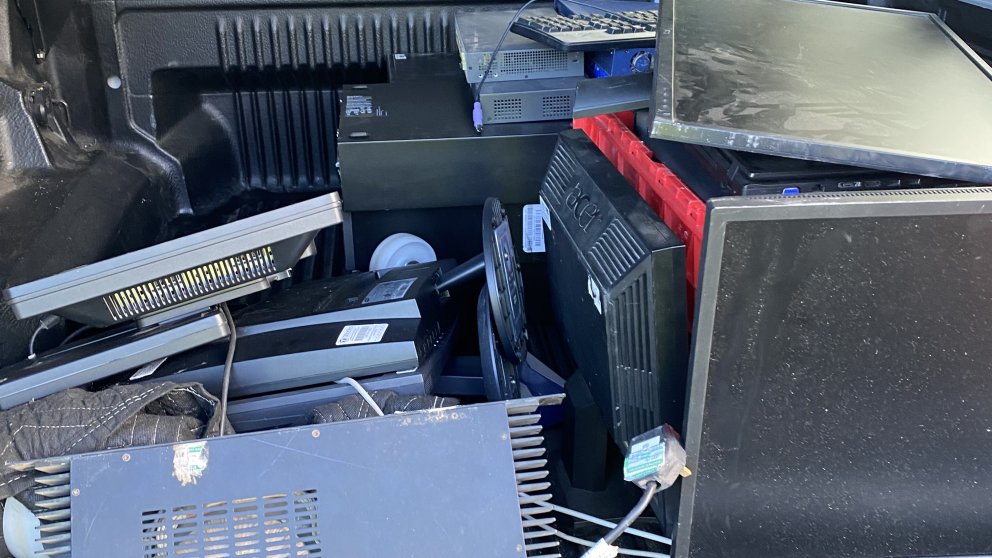
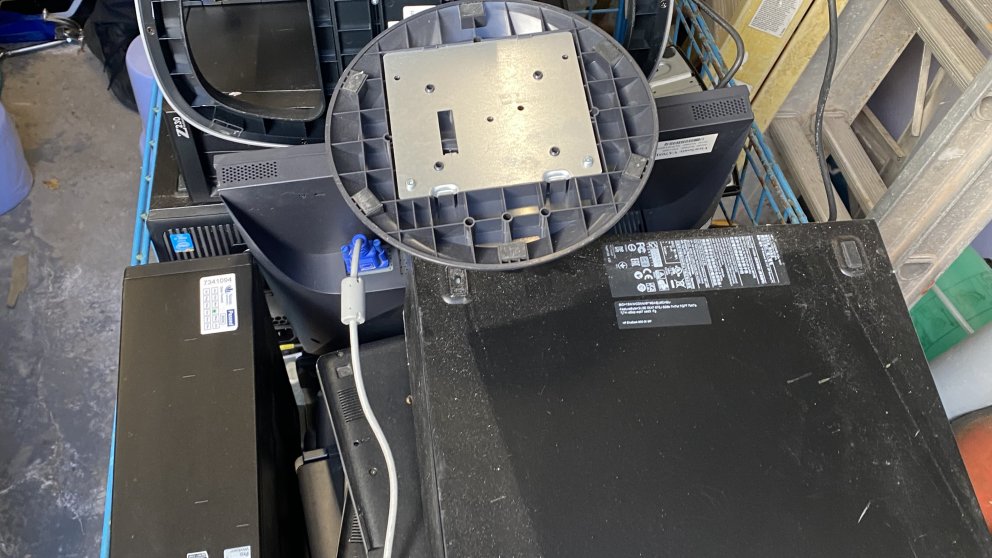
When Barrow Hedges Primary School reached out to us about its end-of-life IT equipment, the priority was to make the collection simple, secure and properly documented. Old computers and other electrical equipment can contain sensitive information, even when they are no longer in everyday use. They also contain materials and components that may be suitable for reuse or recovery.
We arranged the collection, supplied the relevant hazardous consignment note and provided a WEEE carbon savings note. We also explained what would happen next: data-bearing devices would go through secure data erasure, documentation would be issued, and we would assess as much of the equipment as possible for recovery into the circular economy.
A structured collection for end-of-life IT
Removing unwanted IT equipment is more than a transport job. Schools and other organisations need confidence that devices are collected responsibly, handled securely and directed towards the right next step. This is especially important where equipment may have been used to access pupil, staff, financial or operational information.
Our approach begins with planning the collection and sending a suitable vehicle. At the site, equipment can be gathered and moved in a controlled way, helping to reduce the risk of loss or damage during handling. Providing the correct paperwork at collection also creates a clear record of the material entering the recycling and asset recovery process.
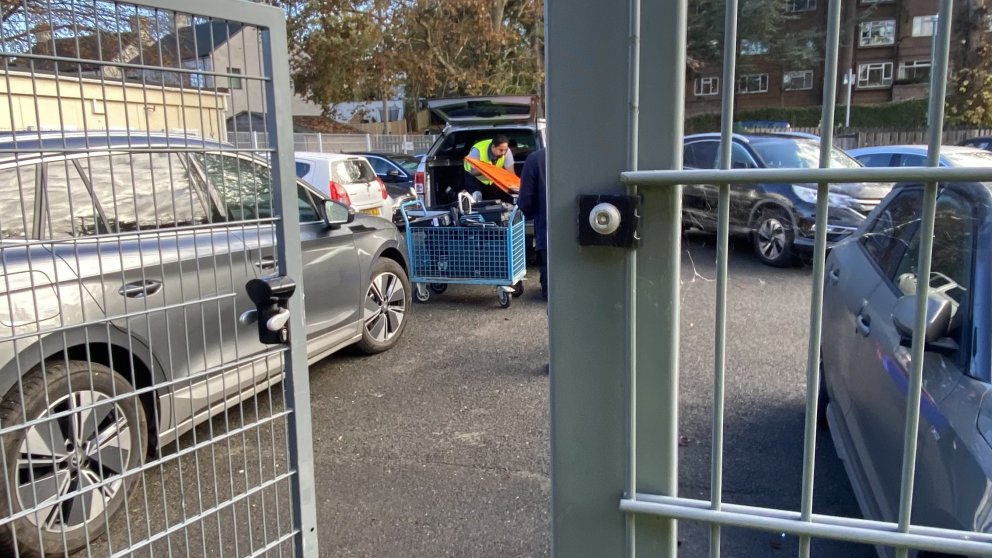
Why data erasure matters for school equipment
Deleting files or restoring a computer to its factory settings is not the same as verified data erasure. Information may remain on hard drives, solid-state drives and other data-bearing devices unless it is processed using an appropriate method.
Following collection, we identify data-bearing equipment and arrange secure erasure. The aim is to remove information so that devices can be considered for reuse without passing data to another user. Once this stage is complete, we will provide a Certificate of Destruction for the relevant devices, giving the school a clear record that the agreed data security process has been completed.
- Data-bearing devices are identified for secure processing.
- Erasure is completed before equipment is considered for reuse.
- Relevant documentation is provided for the organisation’s records.
- Equipment is assessed for recovery, reuse or appropriate recycling.
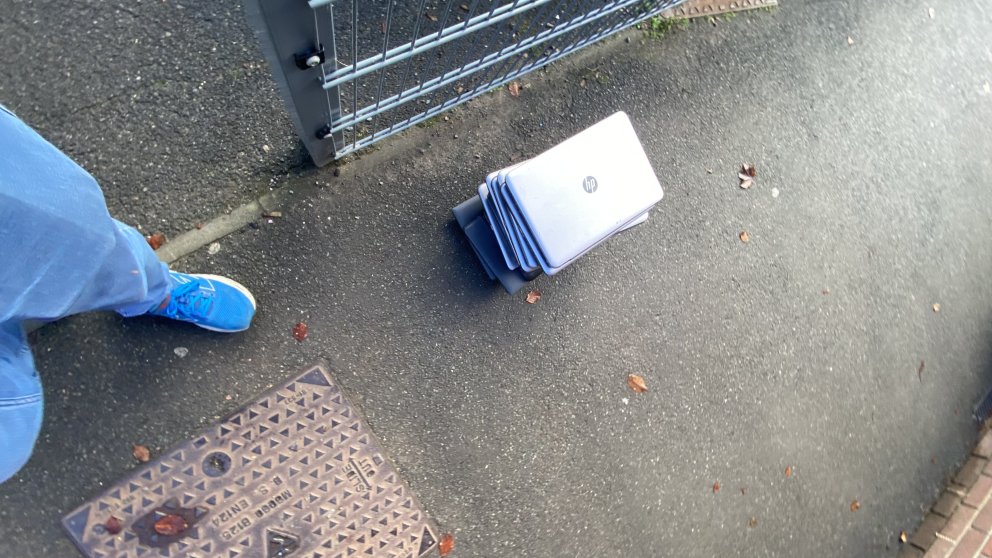
From unwanted devices to circular economy recovery
End-of-life does not always mean that every device has reached the end of its useful life. Some equipment may be suitable for refurbishment or reuse, while other items may be more appropriate for parts recovery or material recycling. We assess the equipment after collection rather than assuming that it all belongs in one waste stream.
This can help retain value within the technology supply chain and reduce the need for new materials. Devices that cannot be reused may still contain recoverable metals, plastics and electronic components. Routing each item appropriately is an important part of responsible IT asset disposition and WEEE recycling.
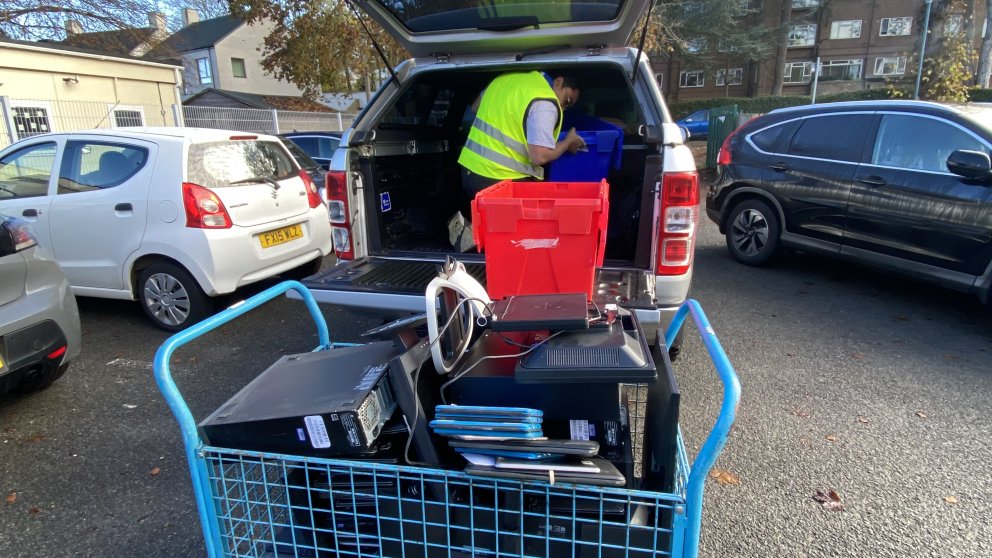
Clear records and environmental responsibility
Good IT recycling should provide more than a collection receipt. For Barrow Hedges Primary School, we supplied a hazardous consignment note and a WEEE carbon savings note as part of the collection process. These documents help explain how the equipment was handled and provide useful evidence for internal records and environmental reporting.
Clear communication is equally important. We told the school what would happen next, including data erasure, certification and our efforts to recover as many devices as possible into the circular economy. A straightforward explanation helps organisations understand both their responsibilities and the practical route from storage room to final outcome.
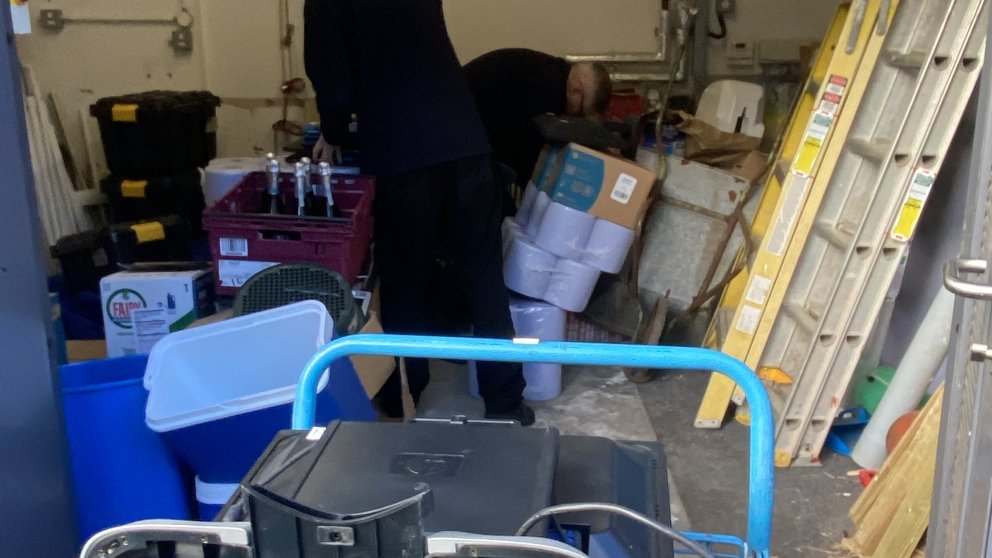
A practical approach to school IT recycling
For schools, responsible IT recycling combines logistics, information security and environmental care. Arranging a planned collection means unwanted equipment can be removed safely, while secure data erasure protects the information once held on the devices. Documentation then provides a useful audit trail, and asset recovery gives suitable equipment the opportunity for a second life.
Our work with Barrow Hedges Primary School followed this complete process: collect the equipment, document its movement, erase data from data-bearing devices, issue the relevant certification and assess items for reuse or recycling. If your organisation has end-of-life computers or other IT equipment, get in touch to learn more about our IT recycling and data erasure services.
Ready to act on this?
Book a free ITAD assessment, compare your destruction options, or review provider-selection guidance before choosing a partner.
Need help with this in your organisation?
Book the matching service directly based on this article topic.