LTO Tape Recycling: Secure Reading, Erasure and Recovery

Linear Tape-Open (LTO) media remains an important part of many organisations’ backup and archive strategies. When tapes reach the end of their retention period, however, they cannot simply be placed in a general recycling container. They may contain sensitive business information, and processing them responsibly requires specialist equipment, software and documented controls.
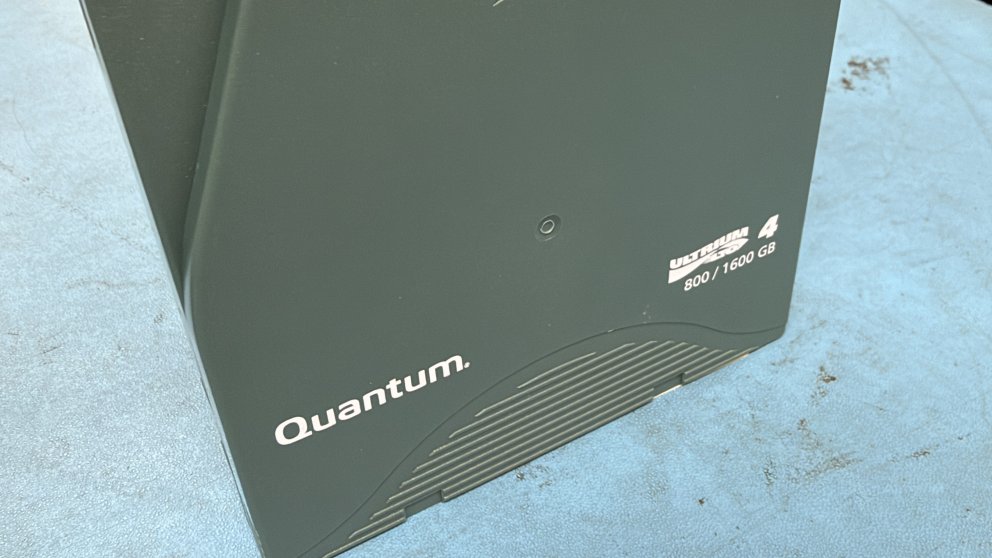
Our work on LTO tape recovery focuses on the practical challenges of identifying, reading, erasing and verifying tapes before they are passed into the appropriate reuse or recycling route. It is a developing process, but the objective is clear: to make LTO recovery secure, traceable and compliant.
Why LTO tape recycling is not straightforward
LTO tapes are produced in different generations, and each generation requires a compatible LTO tape drive or reader. A reader designed for one generation may not read every other format. This means that a mixed collection of tapes cannot be processed efficiently without first understanding what media is present and matching it with the correct hardware.
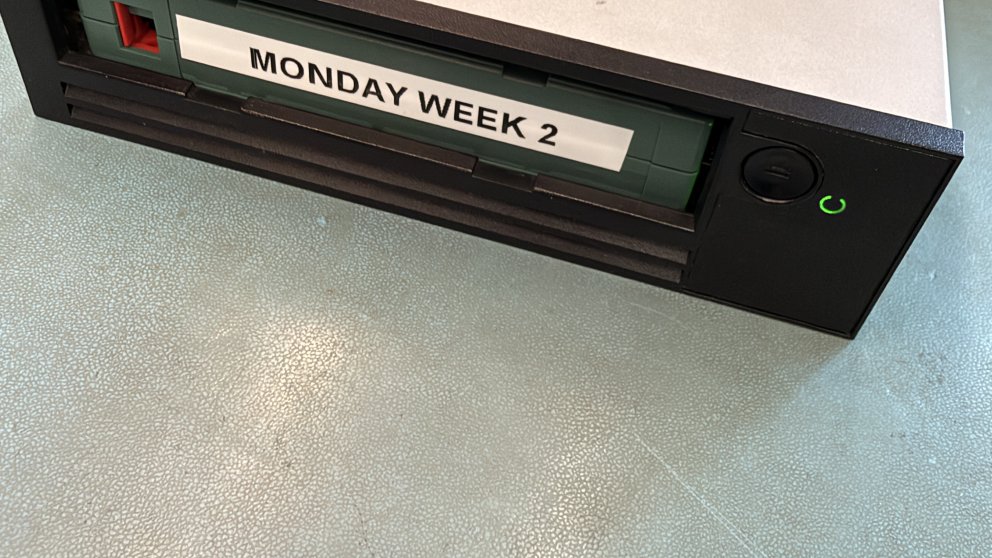
For an IT manager or business owner, this is an important distinction. A box of old backup tapes may look uniform, but the media inside can have different technical requirements. Proper identification helps prevent wasted processing time and reduces the risk of treating a tape as unreadable simply because the wrong reader was used.
Building a controlled LTO recovery process
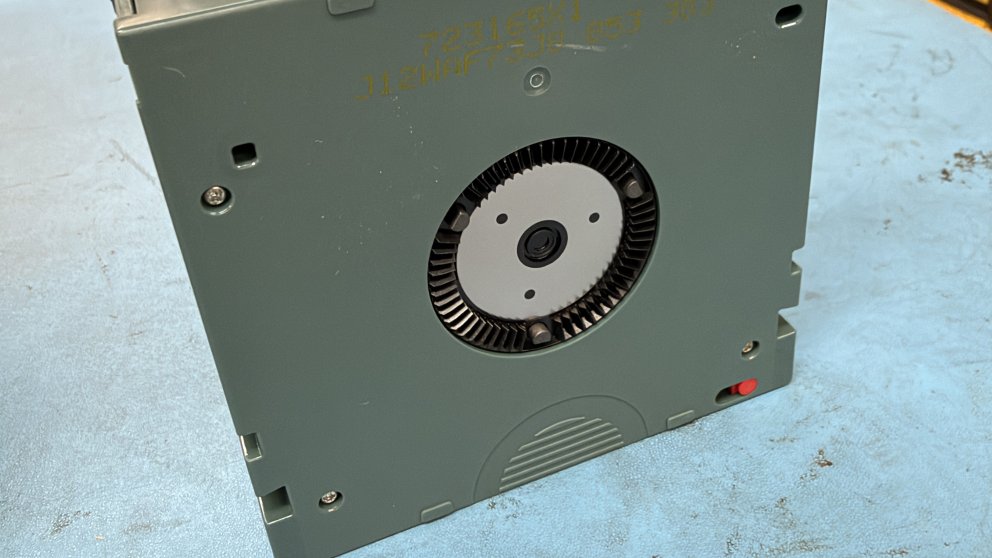
A secure LTO recovery workflow needs to combine physical handling with accurate digital records. Before processing begins, tapes should be received, counted and kept under appropriate control. Each item can then be identified by its label or barcode, with its serial number recorded where the equipment and software allow.
This creates a useful audit trail covering the media received, the work carried out and the final outcome. A structured process should consider:
- Identifying the LTO generation and selecting a compatible reader
- Loading the tape safely and recording its serial number
- Applying an approved erasure process where the tape is suitable for reuse
- Verifying that the erasure has completed successfully
- Recording exceptions, failed reads and media that requires a different treatment
- Separating reusable media from material destined for recycling
Why software matters as much as the reader
The tape drive is only one part of the solution. We also need software that allows us to load the media, read identifying information, manage the erasure process and confirm the result. Without this level of control, it is difficult to demonstrate which tapes were processed and whether the intended action was completed.
Verification is particularly important. An erasure should not be treated as successful merely because a process has started or a tape has passed through a drive. The result needs to be checked and recorded so that the organisation can maintain a reliable record of how its data-bearing media was handled.
Managing heat during high-volume processing
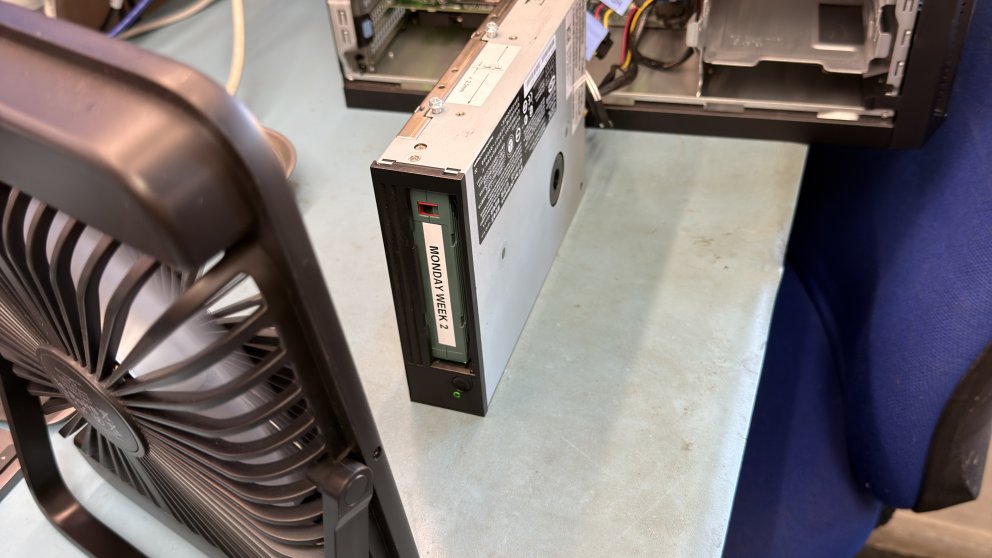
Another practical challenge is heat. Running tape readers continuously, particularly at full speed, can cause them to become very hot. This can affect the reliability of the equipment and make sustained processing more difficult.
As we develop our LTO recovery capability, we are assessing how to manage this safely and consistently in the lab. That includes considering processing rates, equipment behaviour and the controls needed to avoid interruptions or unreliable results. The aim is not simply to process tapes quickly, but to create a repeatable method that protects the media, the equipment and the quality of the records produced.
From data erasure to responsible recycling
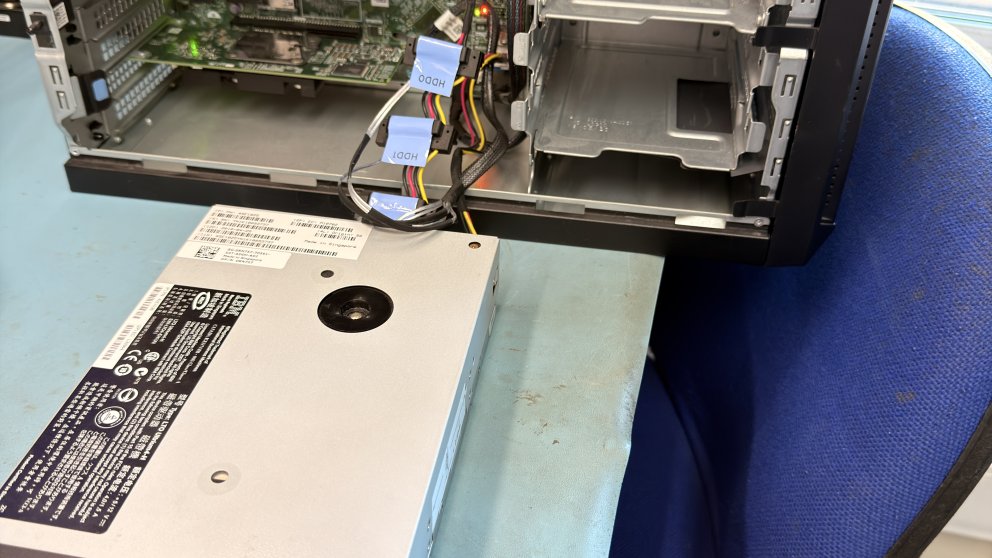
LTO tape recovery sits within the wider discipline of IT asset disposition. Some media may be suitable for reuse after secure erasure and verification. Other tapes may be obsolete, damaged or unsuitable for continued use. Those items still need to be handled responsibly, with data security considered before they enter the appropriate recycling stream.
Keeping these stages separate helps businesses understand what happened to their media and supports better WEEE recycling decisions. It also avoids the assumption that physical recycling alone resolves the data protection risk.
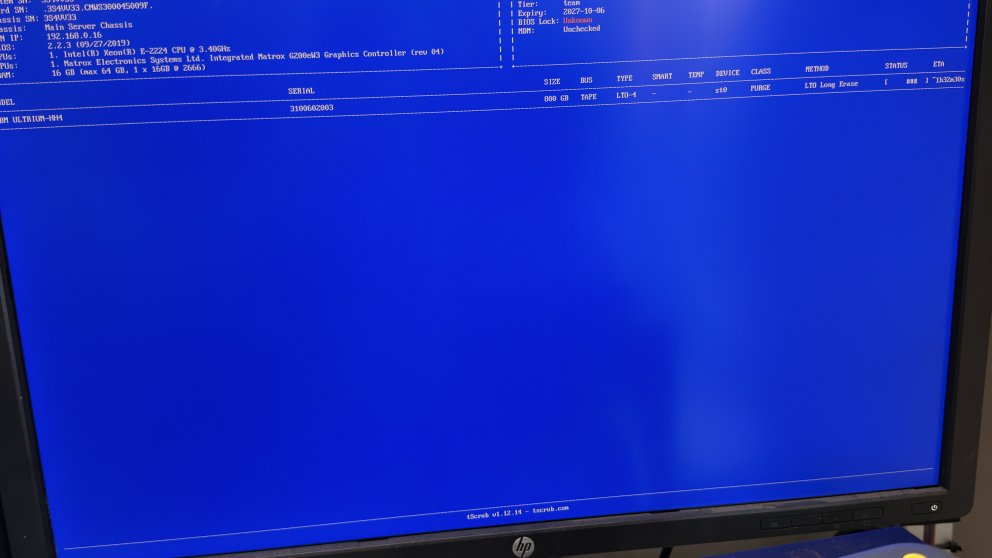
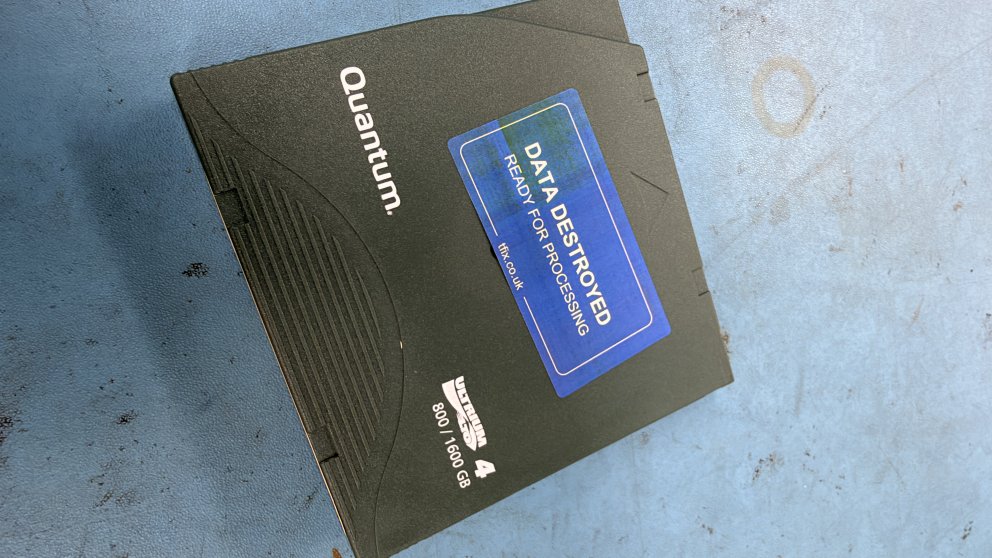
We are continuing to develop a secure and compliant approach to LTO tape recycling, combining compatible readers, controlled software processes, serial-number capture and erasure verification. For organisations reviewing old backup media, planning an IT refresh or managing a wider ITAD project, understanding these challenges is an important first step. Get in touch to learn more about our IT recycling and data erasure services.
Ready to act on this?
Book a free ITAD assessment, compare your destruction options, or review provider-selection guidance before choosing a partner.
Need help with this in your organisation?
Book the matching service directly based on this article topic.