Keyboard and Mouse Recycling in IT Asset Disposal

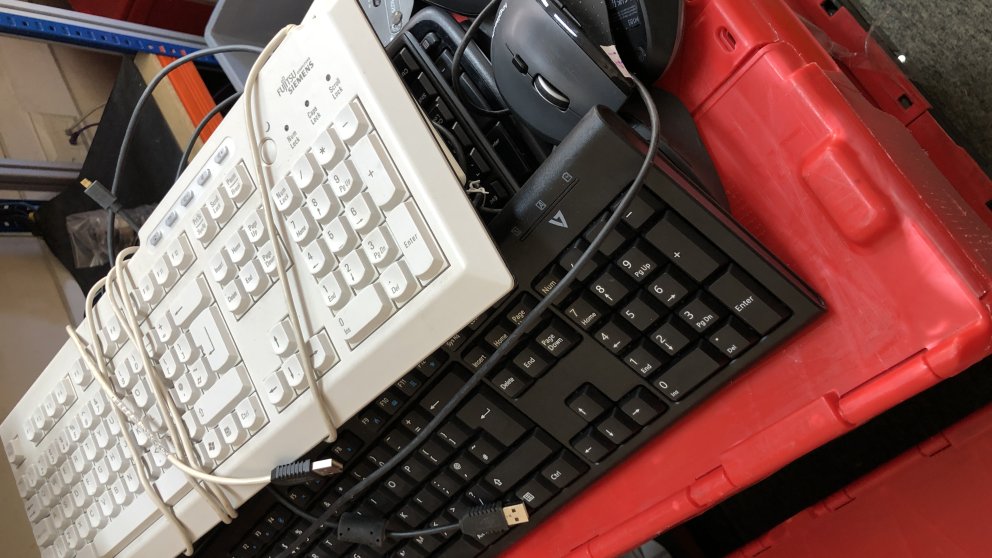
When business technology is collected for reuse or recycling, attention often focuses on laptops, desktops and other higher-value equipment. However, the accessories gathered alongside them also need a clear and responsible route. Keyboards and mice may have little or no resale value for us, but they still contain materials that should not be placed in general waste.
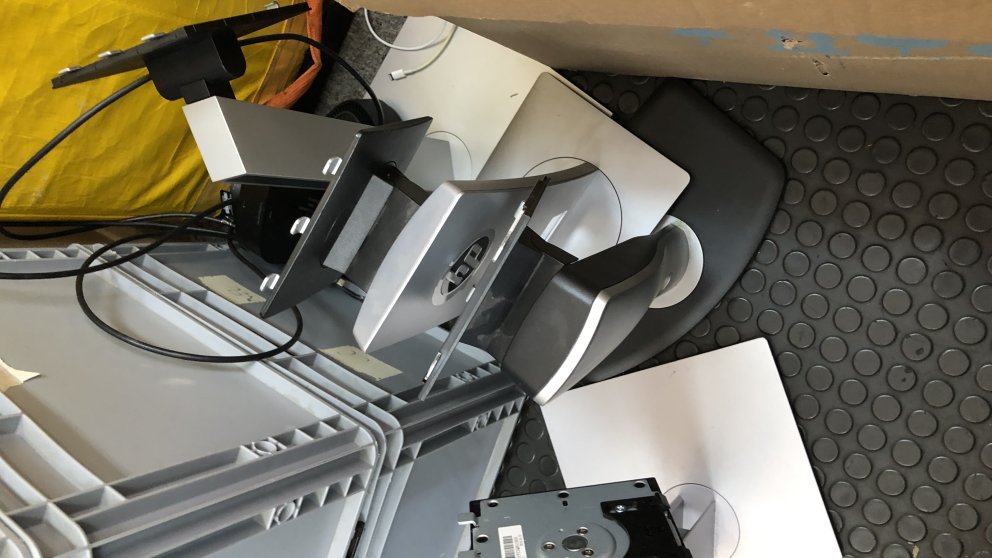
Our approach is to separate these unwanted accessories for recycling, while taking care to keep laptop chargers together with the equipment they belong to wherever possible. This simple distinction supports better reuse, more complete asset records and responsible IT asset disposition (ITAD).
Why keyboards and mice need a recycling route
Most keyboards and mice are made from a combination of plastic housings, cables, circuit boards, connectors and smaller electronic components. Once an item is damaged, incomplete, heavily worn or unsuitable for reuse, it needs to be handled as electrical and electronic equipment rather than ordinary rubbish.
Recycling these accessories involves breaking them down into their main material streams. The plastic casing can be separated from the internal electronics, while cables and circuit boards can be processed through appropriate recycling channels. This helps ensure that useful materials are recovered where possible and that electronic components are not sent to landfill.
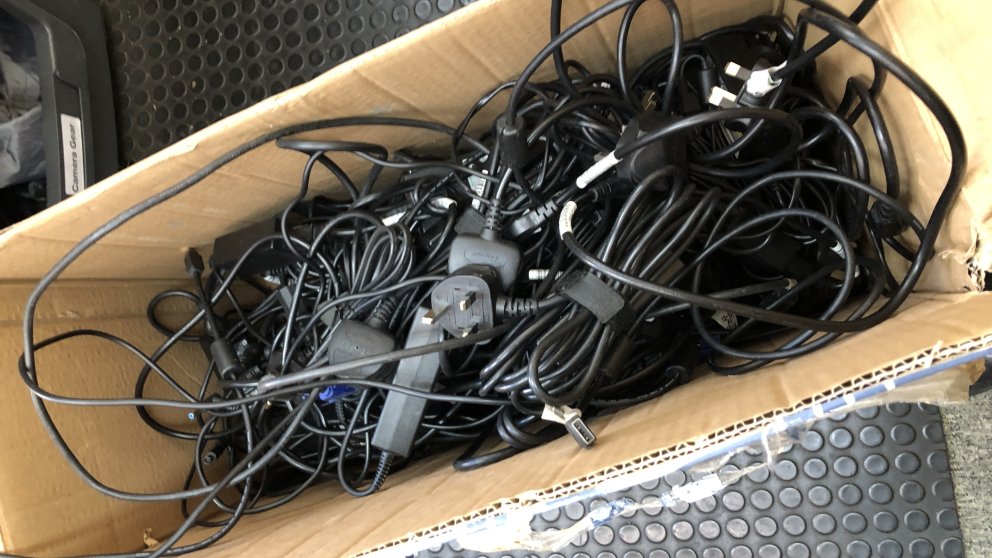
For organisations, this is part of meeting their wider duty of care when disposing of electrical equipment. A responsible IT recycling process should account for the smaller items as well as the main devices.
Sorting accessories at the point of processing
Mixed collections can contain a wide range of items, including keyboards, mice, power supplies, cables and laptop chargers. Sorting is therefore an important early step. We identify accessories that may still be suitable for reuse separately from those that have no practical reuse value.
For keyboards and mice that are not suitable for resale or redeployment, recycling is the appropriate route. Keeping this material separate makes the next stage clearer and reduces the risk of reusable equipment being mixed with items intended for material recovery.
- Keyboards and mice are assessed for condition and completeness.
- Items with no reuse value are separated for recycling.
- Plastic housings, cables and circuit boards are directed into appropriate material streams.
- Chargers supplied with laptops are retained with the relevant equipment where possible.
Why keeping laptop chargers matters
A laptop without its correct charger is less useful. It may be harder to test, prepare for reuse or pass on as a complete working asset. For this reason, we make a point of keeping chargers that arrive with laptops rather than treating every power accessory as unwanted cable waste.
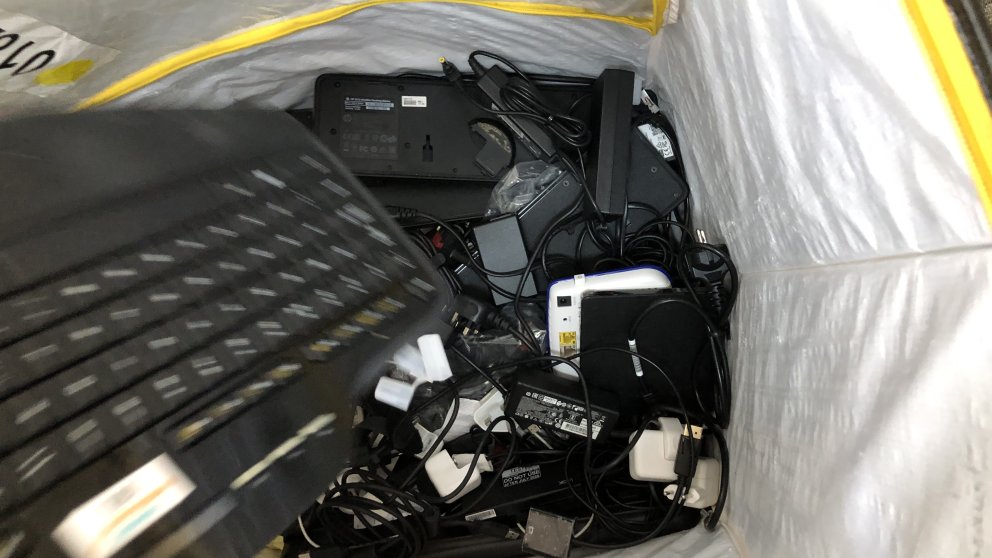
Retaining the charger can also help maintain a clearer connection between the laptop and its accessories during processing. This supports practical testing and helps ensure that equipment intended for reuse is prepared as a more complete package.
Not every charger can be matched immediately, particularly when collections contain equipment from different users or sites. Even so, separating and retaining laptop chargers gives them a better chance of being used appropriately than sending them directly for general cable recycling.
Supporting responsible ITAD and WEEE recycling
Responsible ITAD is not only about recovering valuable devices. It also involves making sensible decisions about low-value equipment, documenting the process and ensuring that waste electrical and electronic equipment (WEEE) is handled through suitable channels.
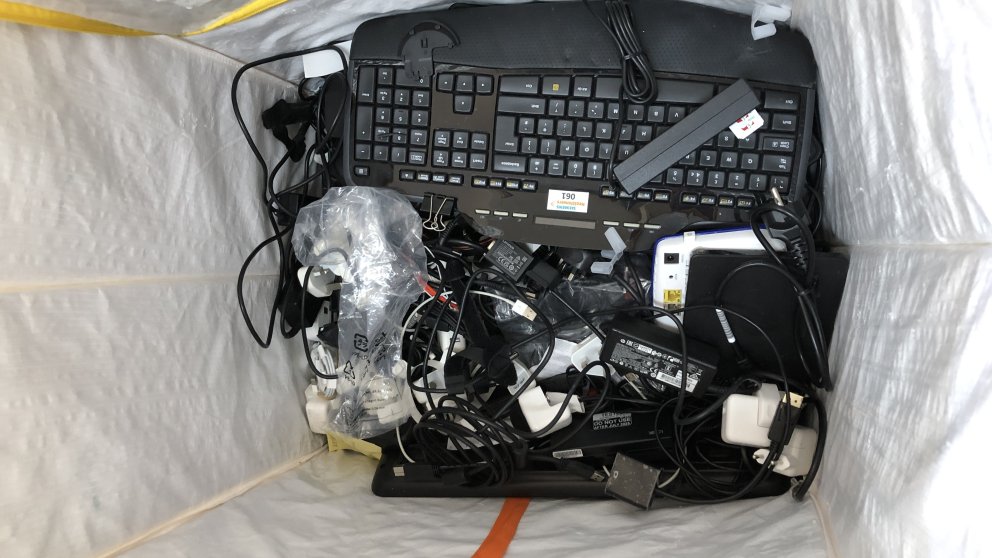
For IT managers and small businesses, this can make disposal easier to review. A well-organised process should show what was collected, what was prepared for reuse and what was sent for recycling. It should also provide confidence that accessories have not simply been discarded because they are inconvenient to sort.
Keyboards and mice may not generate meaningful recovery value, but recycling them remains an important part of a complete collection service. Separating materials such as plastics, cables and circuit boards supports better resource management and helps reduce unnecessary waste.
A small part of a complete recycling process
Unwanted keyboards and mice are easy to overlook, particularly when they arrive in large boxes of mixed IT equipment. Giving them a defined recycling route, while retaining laptop chargers for reuse, creates a more considered approach to the whole collection.
Every item does not have the same value or destination. The important point is to assess equipment carefully, keep reusable parts together and send non-reusable electricals for responsible recycling. If you are reviewing your organisation’s IT recycling or data erasure process, get in touch to learn more about our IT recycling and data erasure services.
Ready to act on this?
Book a free ITAD assessment, compare your destruction options, or review provider-selection guidance before choosing a partner.
Need help with this in your organisation?
Book the matching service directly based on this article topic.