IT Recycling After Resale: Manual Disassembly and Parts Recovery

When IT equipment reaches the end of its working life, recycling should not be the first or only option. A device may still be repairable, suitable for refurbishment or useful in a secondary market. Our approach is to explore those possibilities first. Only when a device cannot be revived, or when there is no suitable market for it, do we move to manual disassembly and parts recovery.
This process helps us keep usable components in circulation for longer and ensures that equipment which cannot be reused is handled in a controlled, practical way. It is an important part of responsible IT asset disposition (ITAD), supporting data security, resource recovery and the circular economy.
Why reuse comes before recycling
Reusing equipment usually preserves more of its original value than sending it directly for material recycling. During assessment, we look at whether a device can be repaired, upgraded or prepared for another user. This can include checking its condition, identifying missing or damaged parts and considering whether there is demand for that type of equipment.
Not every device will have a realistic route back into service. Some may be too old, damaged or uneconomical to repair. Others may be functional but difficult to place because there is no active secondary market. In those cases, attempting to sell the equipment indefinitely does not create a useful outcome. Moving it into a structured recovery process is often the more responsible decision.
What happens during manual disassembly?
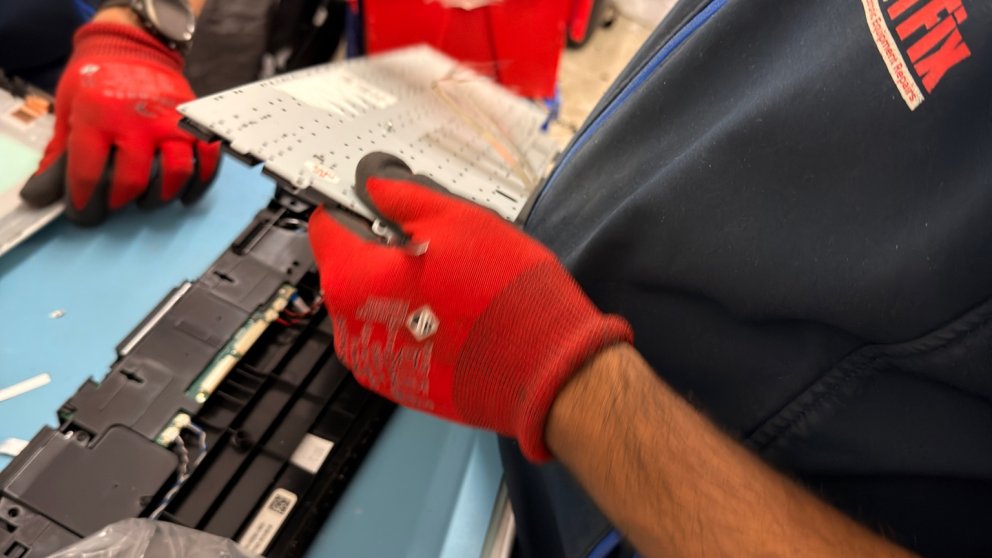
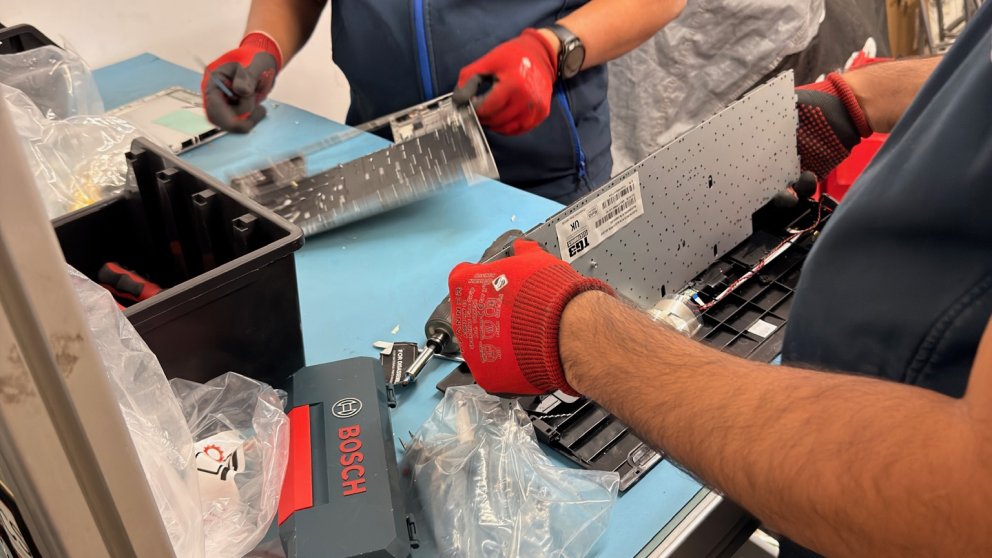
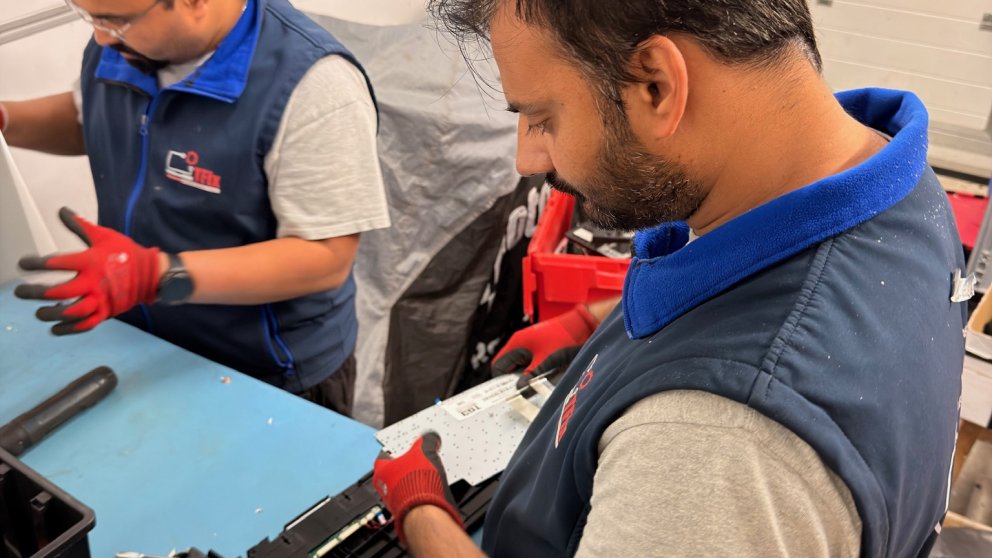
Manual disassembly means taking equipment apart carefully so that its individual parts and materials can be assessed. Rather than treating a complete device as one item, we separate the components that may have a further use or a suitable recycling route.
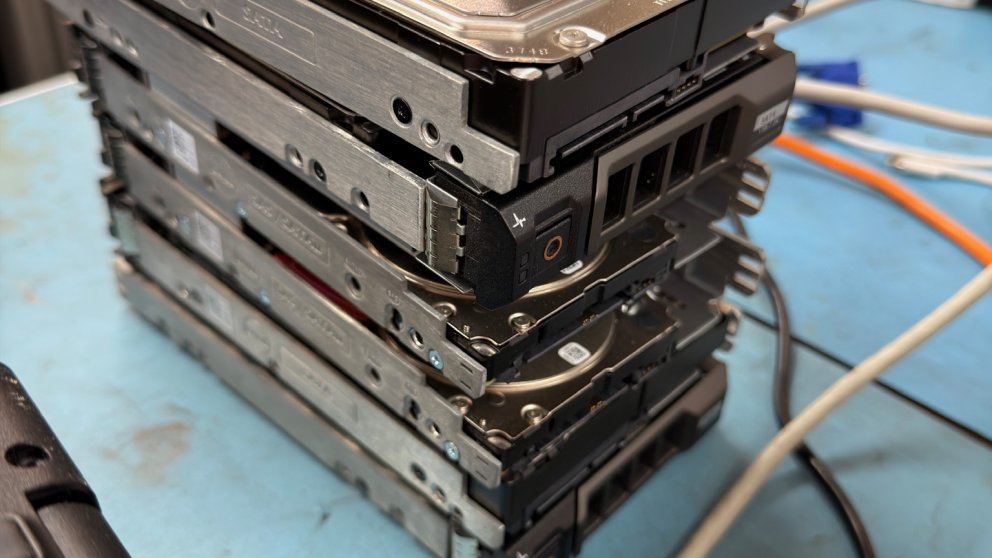
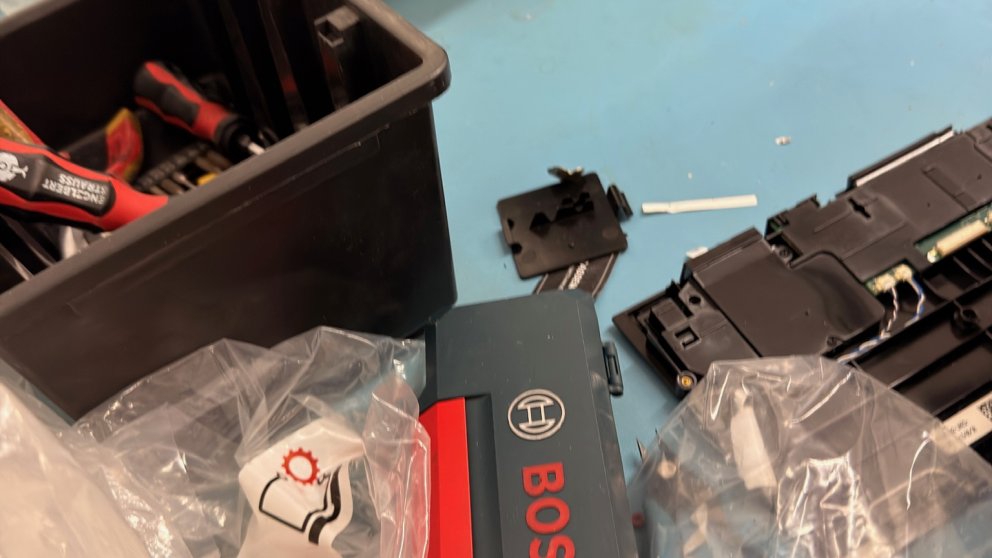
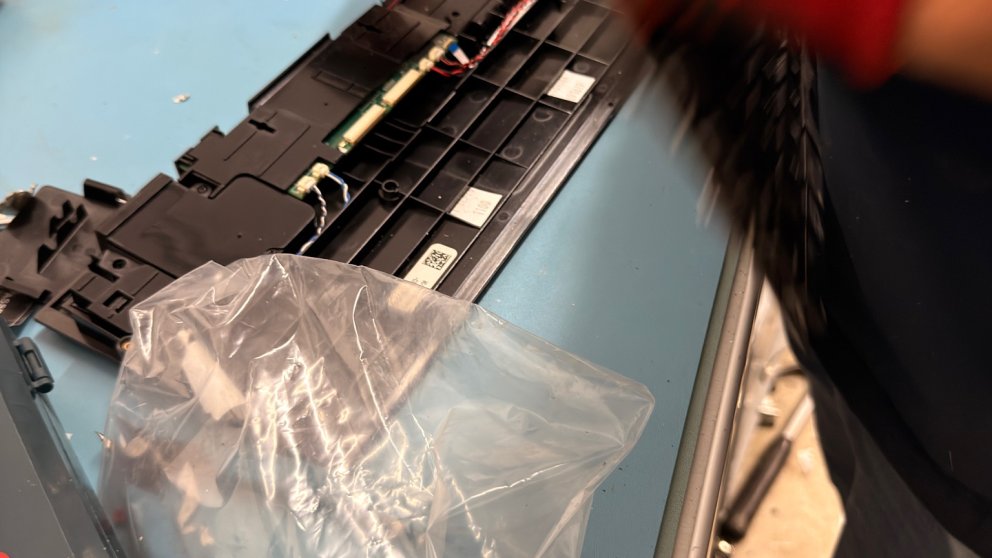
Depending on the equipment, this may involve removing storage devices, circuit boards, memory, power supplies, cables, fans, metal frames and other components. The work requires care because different parts need to be identified, sorted and handled appropriately. It also helps prevent potentially reusable items from being lost in a mixed waste stream.
Recovering parts for the circular economy
Parts recovery is about giving components a second opportunity wherever that is practical. A working part may support the repair of another device, while a component that is no longer suitable for reuse may still contain materials that can be recovered through specialist recycling.
Our aim is to direct each item towards the most appropriate next step. This can include:
- Testing or retaining components that may be useful for future repairs
- Separating materials such as metals, plastics and circuit boards
- Preparing suitable parts for reuse through appropriate secondary channels
- Sending non-reusable materials into the correct WEEE recycling route
Data security remains part of the process
Disassembly does not remove the need for careful data handling. Storage devices can contain confidential information even when a computer is no longer operational. Before equipment or data-bearing components move into reuse, recovery or recycling, the appropriate secure data erasure process should be considered.
For organisations, this is why a documented IT recycling service is more useful than simply placing old equipment in a general waste area. Devices can be identified and managed through the relevant stages, helping maintain control over sensitive assets and supporting clear records of what happened to them.
A practical route for end-of-life equipment
Responsible IT recycling is not just about what happens at the final stage. It is a decision-making process: repair where possible, reuse where there is a suitable opportunity, recover parts when resale is no longer realistic, and recycle the remaining materials responsibly.
By manually disassembling equipment that cannot be revived or placed into a secondary market, we can recover more value and reduce unnecessary waste. It gives businesses a clearer route for end-of-life technology while supporting the wider circular economy.
If your organisation is reviewing its old computers, servers or other IT equipment, get in touch to learn more about our IT recycling and data erasure services.
Ready to act on this?
Book a free ITAD assessment, compare your destruction options, or review provider-selection guidance before choosing a partner.
Need help with this in your organisation?
Book the matching service directly based on this article topic.