Inside Our Long-Term Storage for Refurbished IT

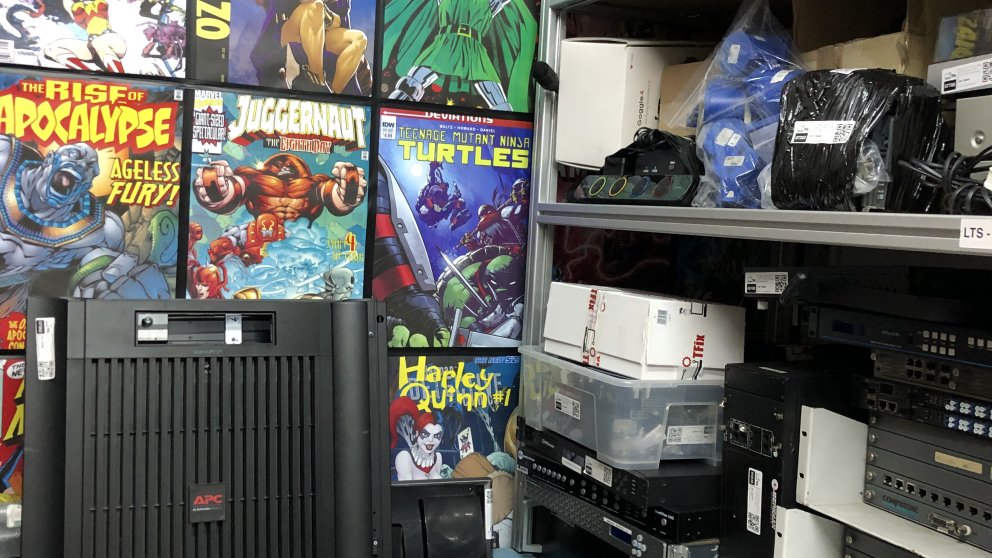
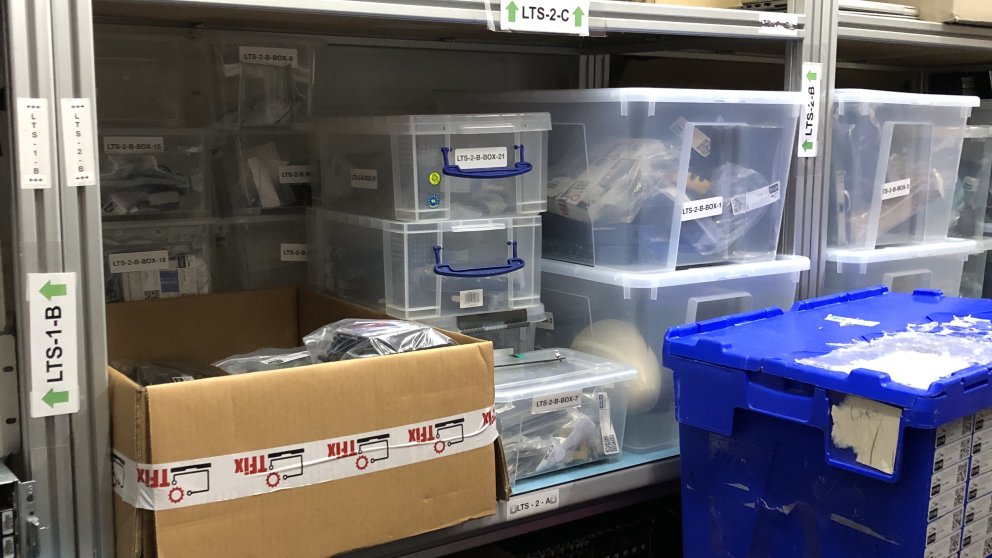
What happens to business technology after it has been collected, checked and refurbished, but before it finds a new owner? At TFix, some of this equipment moves into our LTS — Long Term Storage — where it is kept safely until it sells. This is an important part of our approach to IT asset disposition, helping us give suitable equipment more time in the market rather than treating it as waste.
Our LTS contains items that have already been processed for resale. They may have come from organisations that no longer need them, but still have useful working life. By storing, listing and repricing these assets carefully, we aim to recover as much value as possible while making refurbished technology more approachable for the next user.
What is TFix Long-Term Storage?
Long-term storage is where refurbished IT equipment stays after it has been prepared for sale. Not every item sells immediately, and holding stock in an organised environment allows us to keep it available while buyers search for the right specification, condition or price.
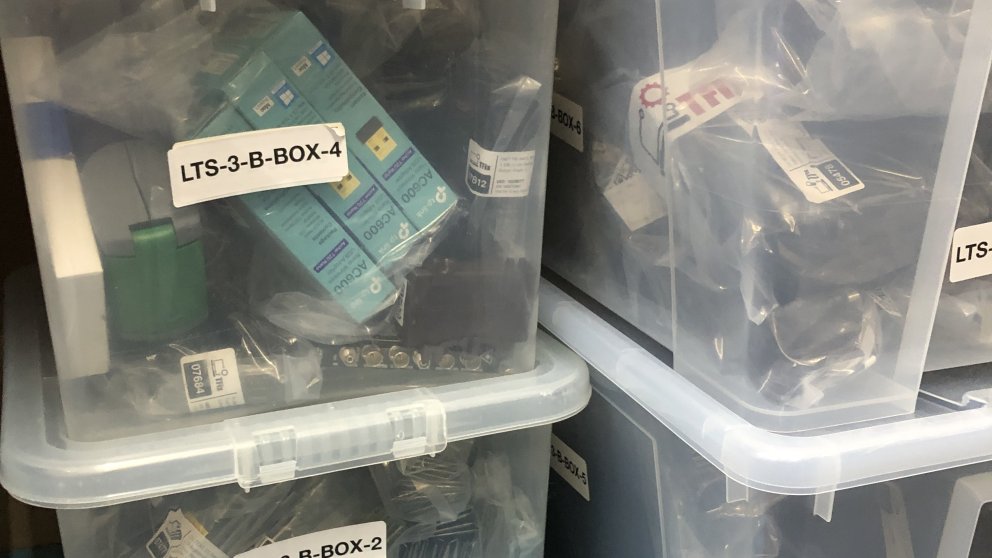
The equipment can include a wide range of technology and related items. Our storage areas are organised using labelled shelves, boxes and containers, making it easier for us to identify stock and manage it over time. Good organisation matters because asset recovery does not end when an item leaves a client site. It continues through processing, storage, listing and sale.
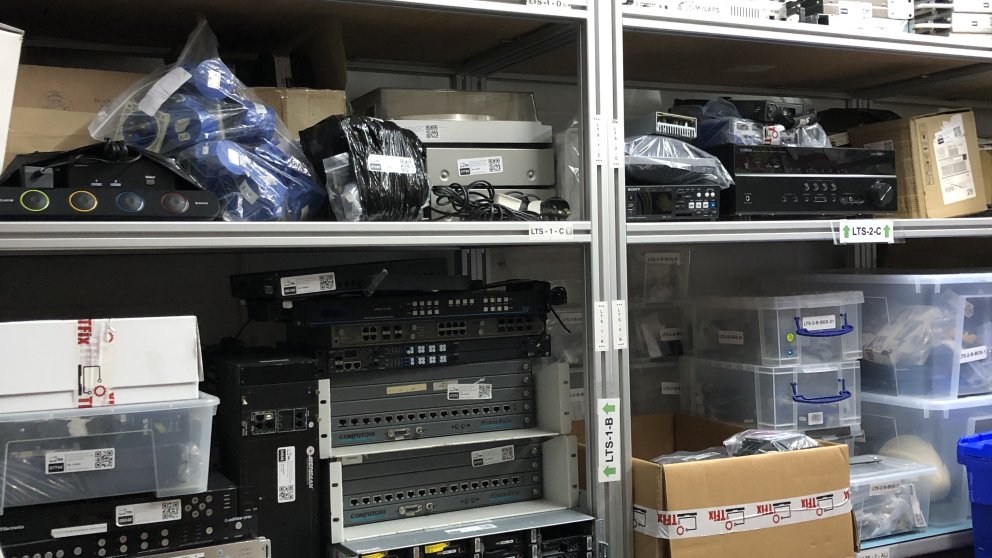
From donated equipment to refurbished technology
When equipment is donated by our clients, our objective is to understand whether it can be reused, refurbished or recycled. Items selected for resale are prepared and kept separate from equipment that has reached the end of its useful life. This supports a more responsible route for business technology and helps avoid sending potentially useful assets directly for recycling.
Refurbishment is not only about making an item look presentable. It is also about assessing its condition and preparing it for a new role. Once stock is ready, we list it through our eBay shops and on gearhaven.co.uk, where prospective buyers can find refurbished equipment according to their needs and budget.
Why prices change over time
The value of technology changes. Demand, availability, age, condition and specification can all affect what an item is worth in the wider market. For that reason, we review the prices of our stored stock regularly and reduce them each week until the price becomes approachable to someone who needs the equipment.
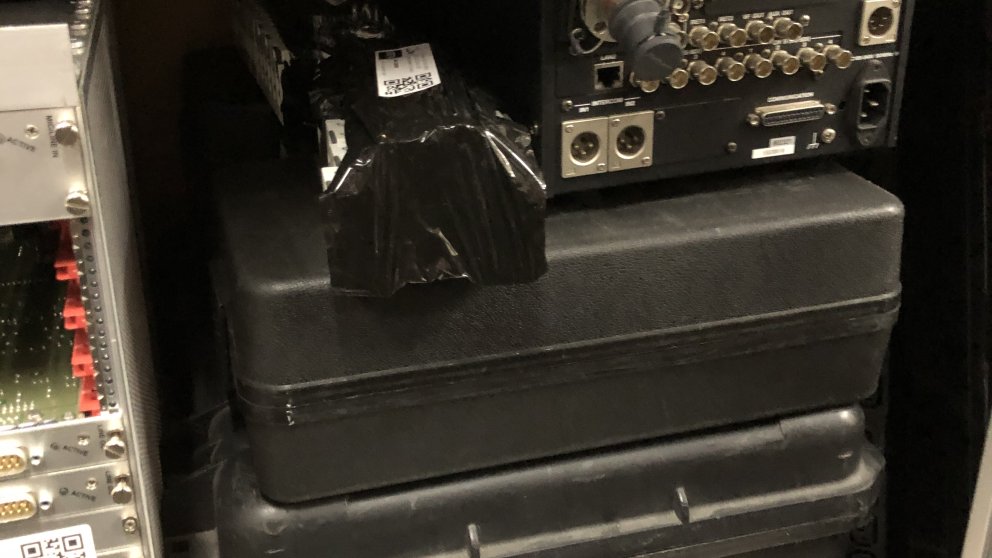
This gradual approach gives products time to reach buyers who may not need them immediately, while recognising that older technology should not remain at an unrealistic price. It also helps us work towards a fair market price rather than relying on a fixed value indefinitely.
Supporting value recovery and reuse
For an organisation disposing of IT equipment, resale can form one part of a wider ITAD and asset recovery process. Where equipment has a realistic resale value, recovering that value can help offset disposal costs and ensure more technology remains in use. Where reuse is not appropriate, responsible recycling remains the right route.
Our LTS helps us manage this process beyond the initial collection. It gives refurbished stock a structured place to remain available, rather than creating pressure to sell immediately or discard items simply because they have not sold yet.
- Reuse: suitable equipment is prepared for a second working life.
- Market access: items are listed through our eBay shops and gearhaven.co.uk.
- Regular review: prices are reduced weekly as stock remains available.
- Value recovery: we aim to recover as much value as possible from donated equipment.
A practical part of responsible IT disposal
Long-term storage may not be the most visible part of IT recycling and refurbishment, but it plays a useful role. It connects the work carried out after collection with the moment an item reaches its next owner. By keeping refurbished equipment organised, listing it clearly and adjusting prices over time, we can support reuse while making sensible decisions about asset value.
For businesses reviewing their own IT disposal arrangements, it is worth asking what happens after collection: Is equipment assessed for reuse? Is data handled appropriately? Are resale and recycling routes clearly separated? A transparent process can support better outcomes for both the organisation and the equipment.
Our LTS is one part of that wider process. If you would like to learn more about our IT recycling, asset recovery and data erasure services, please get in touch with us.
Ready to act on this?
Book a free ITAD assessment, compare your destruction options, or review provider-selection guidance before choosing a partner.
Need help with this in your organisation?
Book the matching service directly based on this article topic.