Giving Unsold IT Equipment a Second Chance Through Bundling

In IT asset disposition, the first route for recovered equipment is usually resale. Reuse helps extend the working life of technology, recover value for the previous owner and keep usable items within the circular economy. However, not every device sells quickly, and some items may not sell at all as standalone products.
At TFix, we manage this challenge by reviewing equipment throughout its time in our resale channels. When an item reaches its minimum viable price and still has not found a buyer, we may remove it from the market and consider whether it can be combined with other equipment into a useful bundle. This gives selected devices another opportunity for reuse before recycling becomes the only practical route.
Why some recovered equipment does not sell
Business technology can be perfectly functional and still be difficult to sell on its own. Demand may be limited, the specification may be specialised or the item may be more useful as part of a wider setup. Older equipment can also compete with newer alternatives, even when it remains suitable for certain applications.
Our resale process therefore needs to be flexible. We begin by assessing equipment, preparing suitable items for sale and placing them on the relevant markets. If an item remains unsold, we can adjust its price over time. This helps us reflect real market demand rather than keeping an unrealistic asking price.
What happens when an item reaches its minimum viable price?
There is a practical limit to how long we can continue listing every item. Warehouse space is finite, and holding equipment indefinitely prevents us from processing new collections efficiently. Once an item reaches a minimum viable price without selling, we review its condition, compatibility and likely usefulness alongside other stock.
This is not simply a decision based on appearance or age. We consider whether the equipment is complete, whether its connections and specifications match other items and whether a bundle could offer a clearer use case to a buyer. In some cases, combining related hardware makes the overall package more useful than selling each component separately.
Building bundles for another route to reuse
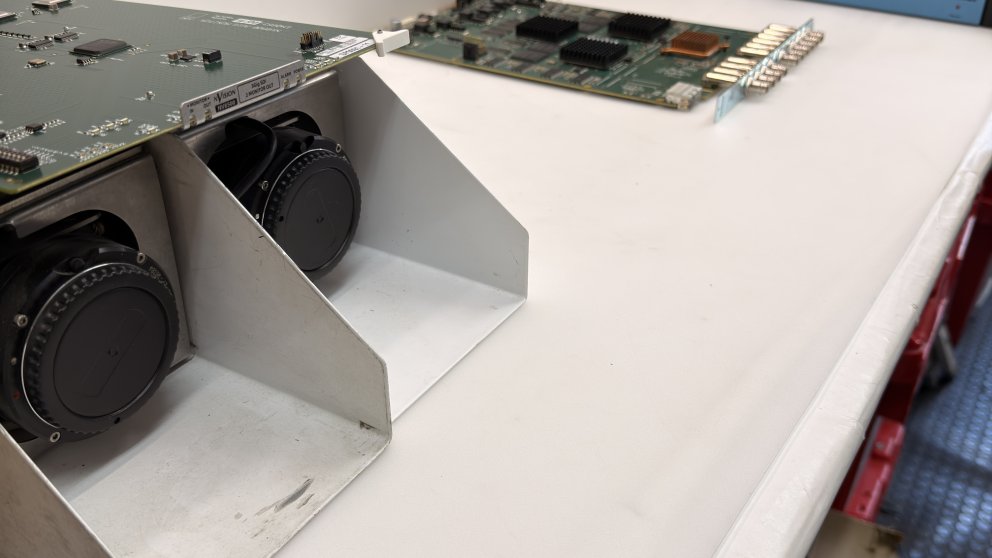
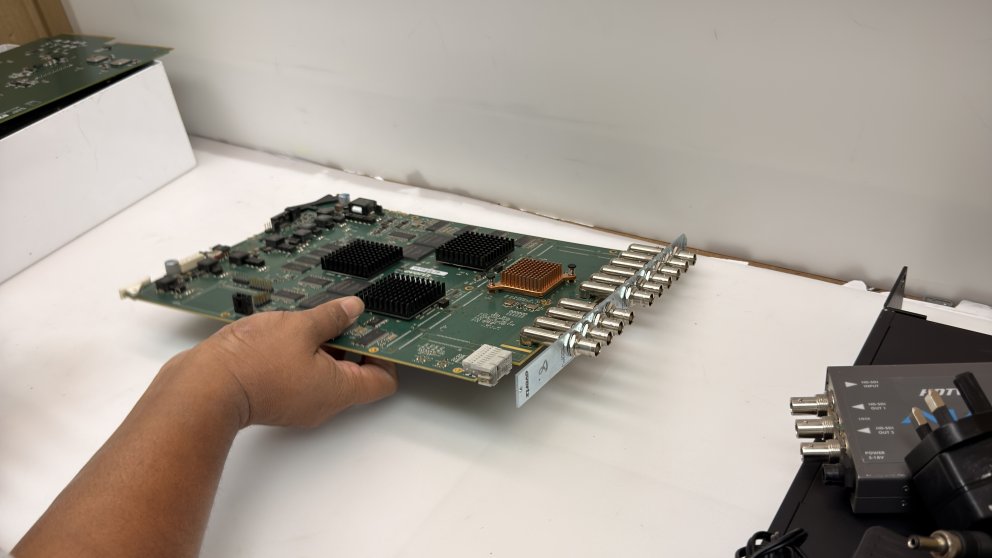
Bundling is one way of giving unsold IT equipment a fresh route into the market. A bundle may bring together compatible devices, accessories or specialist components that are more valuable and practical when supplied as a group. The aim is not to combine items at random, but to create a package that has a clear purpose for a potential buyer.
This approach can be particularly useful for equipment that has a narrower audience. A single item may attract little interest, while a collection of related hardware could support a repair project, test environment, training setup or replacement stock. By presenting the equipment together, we make it easier for buyers to understand what they are receiving and how the items may be used.
- Items are reviewed for condition and compatibility.
- Suitable equipment is grouped into a practical package.
- The bundle is prepared for resale through an appropriate channel.
- Items that cannot be reused are directed towards responsible recycling.
How bundling supports the circular economy
Keeping equipment in use for longer is an important part of responsible IT asset recovery. Every successful resale or bundle can delay the point at which a device needs to be dismantled for materials recovery. It also gives organisations and buyers another way to access technology without relying solely on new production.
Bundling does not replace responsible recycling. Some equipment will be too damaged, incomplete or difficult to use, and it is important to recognise when recycling is the right outcome. Where reuse is not viable, we direct items through suitable WEEE recycling routes so that materials can be handled responsibly rather than sent to general waste.
A measured approach to IT asset disposition
Effective ITAD is not just about collecting equipment and selling the most valuable items. It involves making considered decisions at every stage: what can be reused, what should be bundled, what needs further processing and what must be recycled. This helps us balance resale value, warehouse capacity and environmental responsibility.
For businesses, this also demonstrates why an experienced approach to IT recycling and data erasure matters. Equipment should be processed securely before resale, while items that do not find a buyer still need a clear and responsible end-of-life route.
Not every recovered device will sell as an individual product, but that does not mean its useful life has ended. By adjusting prices, reviewing stock and building sensible bundles, we can give suitable equipment another chance to remain in circulation before it is considered for recycling.
Ready to act on this?
Book a free ITAD assessment, compare your destruction options, or review provider-selection guidance before choosing a partner.
Need help with this in your organisation?
Book the matching service directly based on this article topic.