Bayview International’s Responsible IT Recycling Journey

When business technology reaches the end of its working life, the next step should be planned carefully. Equipment may contain sensitive information, valuable components or enough working life to benefit another organisation. For Bayview International, we were asked to collect their end-of-life IT equipment and manage the process responsibly from collection through to recycling.
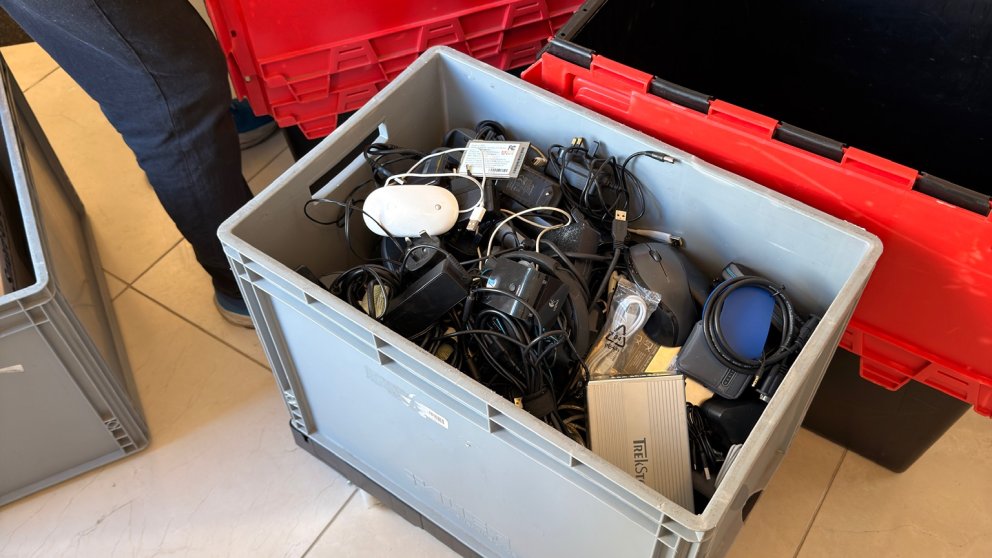
Our work included collecting the equipment, preparing a detailed inventory, providing certificates of destruction and directing the items through repair and reuse pathways wherever appropriate. This approach supports the circular economy while giving Bayview a clear record of what happened to its retired technology.
Starting with an organised IT collection
End-of-life IT can build up across offices, storage areas and equipment rooms. Without a clear plan, it can be difficult to identify what has been removed, what needs data erasure and which items may still have practical value. A structured collection helps bring everything together and creates a reliable starting point for the rest of the IT asset disposition process.
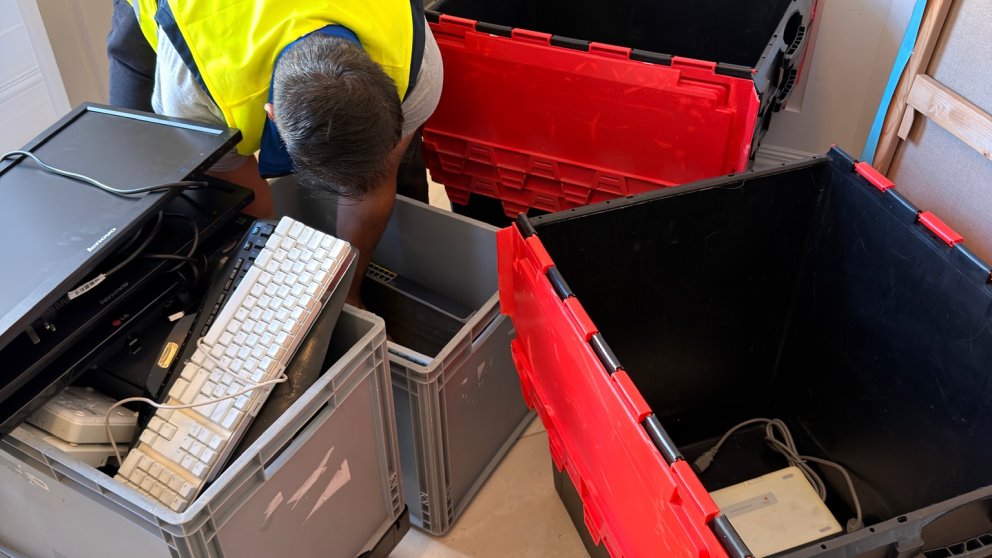
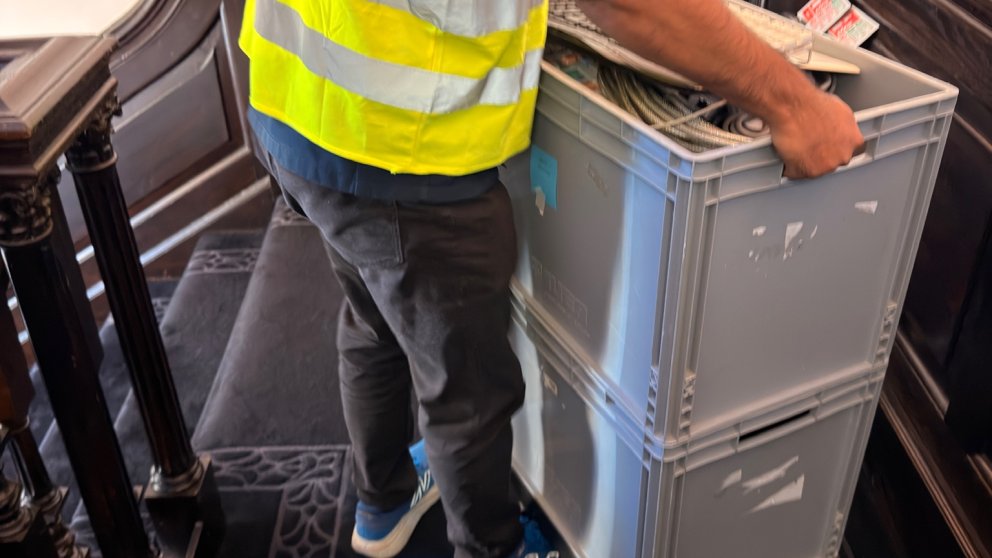
We collected Bayview International’s equipment and handled it as a consolidated project. This reduces the need for the client to sort every item individually before collection and allows us to assess the equipment in a controlled environment.
Why a detailed inventory matters
An accurate inventory is an important part of responsible IT recycling. It provides visibility over the equipment received and helps connect the collection with the actions taken afterwards. For a business, this documentation can make internal record keeping simpler and provide useful evidence for compliance and asset management processes.
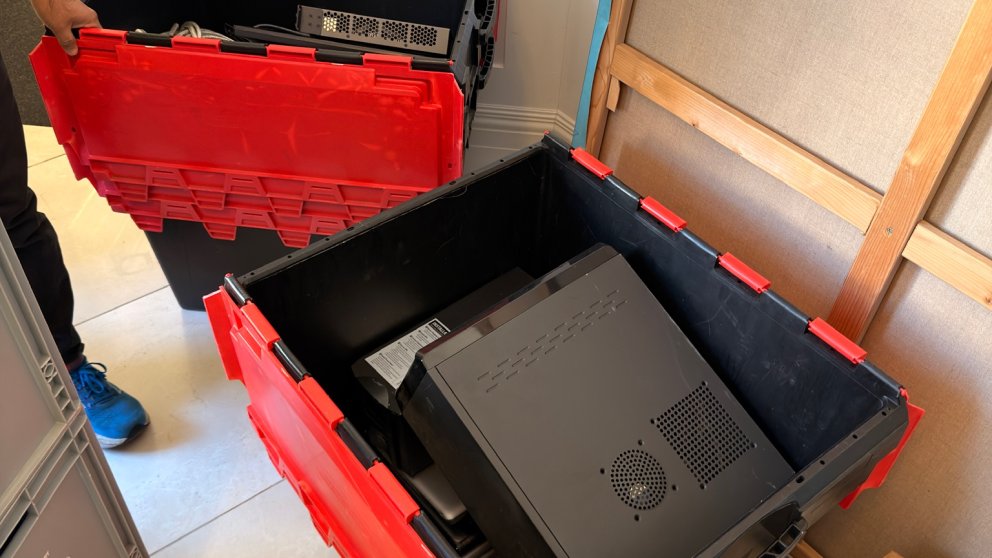
During our handling process, we record the equipment received so that the client has a clearer understanding of the assets included in the project. Depending on the equipment, an inventory may include details such as the type of device, manufacturer, model or identifying information. The purpose is to create a practical record rather than leave retired technology unaccounted for.
Supporting secure and accountable data destruction
Retired computers, storage devices and other connected equipment can contain business information even when they are no longer in everyday use. Data destruction therefore needs to be considered before equipment is reused, recovered or recycled.
As part of the process, we provide certificates of destruction. These certificates give Bayview International formal confirmation that the relevant data destruction work has been completed. Clear documentation is valuable for IT managers and business owners who need to demonstrate that information held on redundant equipment has been dealt with responsibly.
Keeping this stage documented also helps separate the secure handling of information from the later decision about whether equipment is repaired, reused or recycled.
Repair and reuse before recycling
Recycling is an important route for equipment that is no longer suitable for further use, but it is not always the first option. Some end-of-life IT can be repaired, tested and prepared for another working life. Reuse helps retain the value already invested in a device and reduces the need for replacement equipment to be manufactured immediately.
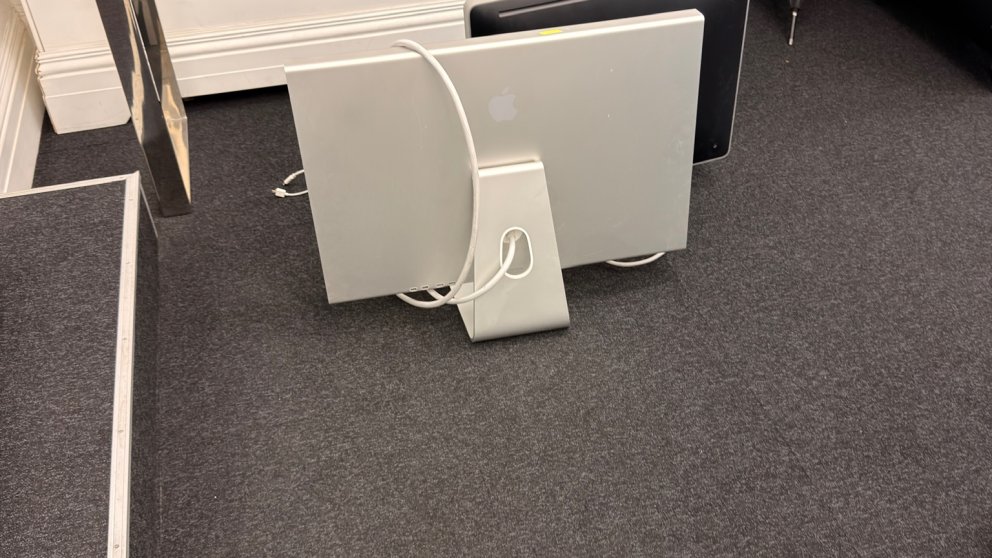
For Bayview International’s collection, we used repair and reuse pathways for the equipment where this was appropriate. This means the process focused on making the most useful and responsible decision for each item rather than treating every device in exactly the same way.
- Equipment is collected and brought into a controlled handling process.
- Items are recorded through detailed inventory management.
- Data destruction is completed where required, with certificates provided.
- Suitable equipment can move towards repair and reuse.
- Items that are not suitable for reuse can be directed to responsible recycling.
A practical route for responsible IT asset disposition
The Bayview International project shows why IT recycling is about more than removing unwanted equipment. Collection, inventory, data destruction and recovery all form part of a joined-up process. Each stage helps improve visibility, protect information and make better use of technology that might otherwise be discarded.
For organisations reviewing their own retired IT, the key questions are simple: has every item been accounted for, has data been dealt with securely, and has reuse been considered before recycling? Addressing these questions can make IT asset disposition more consistent and easier to evidence.
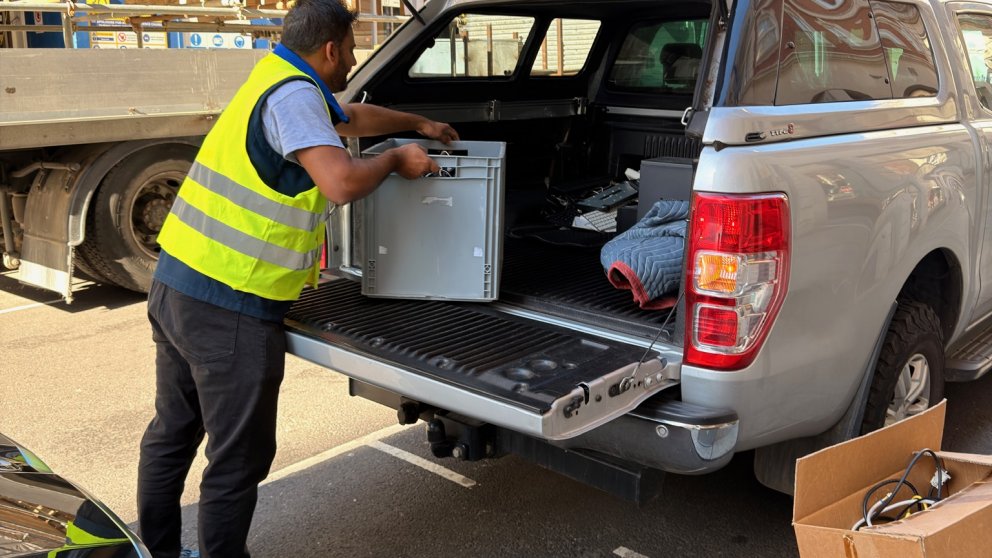
By managing Bayview International’s end-of-life IT through detailed inventory, certified data destruction and repair and reuse pathways, we helped create a responsible route for its retired technology. If your organisation is planning an IT clearance, get in touch to learn more about our IT recycling and data erasure services.
Ready to act on this?
Book a free ITAD assessment, compare your destruction options, or review provider-selection guidance before choosing a partner.
Need help with this in your organisation?
Book the matching service directly based on this article topic.