What Happens to Recycled PCBs? From IT Waste to New Materials

When business technology reaches the end of its useful life, the most responsible outcome is not always resale. Some devices can be repaired, refurbished or recovered for parts. Others are too damaged, obsolete or uneconomical to put back into service. In those cases, we dismantle the equipment and separate its components so they can enter the correct recycling streams.
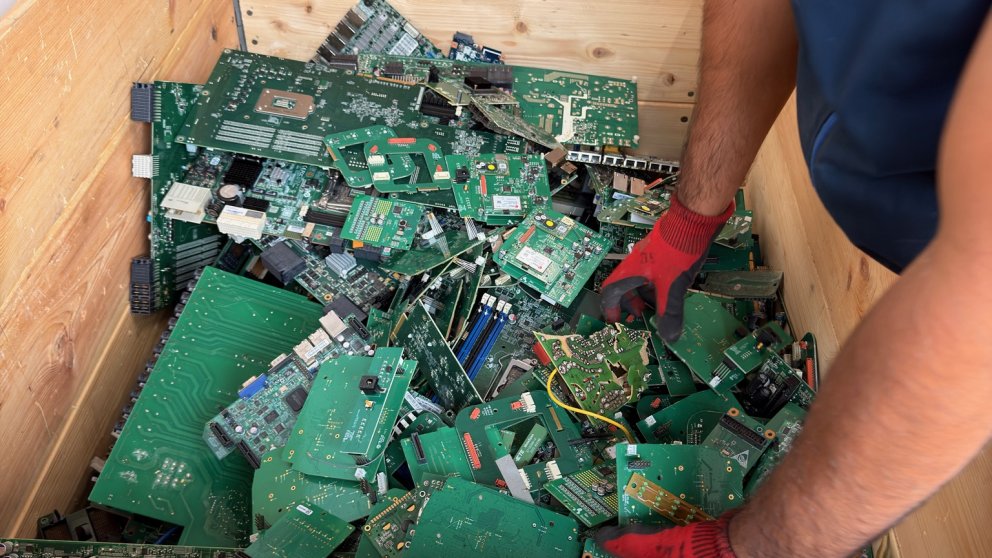
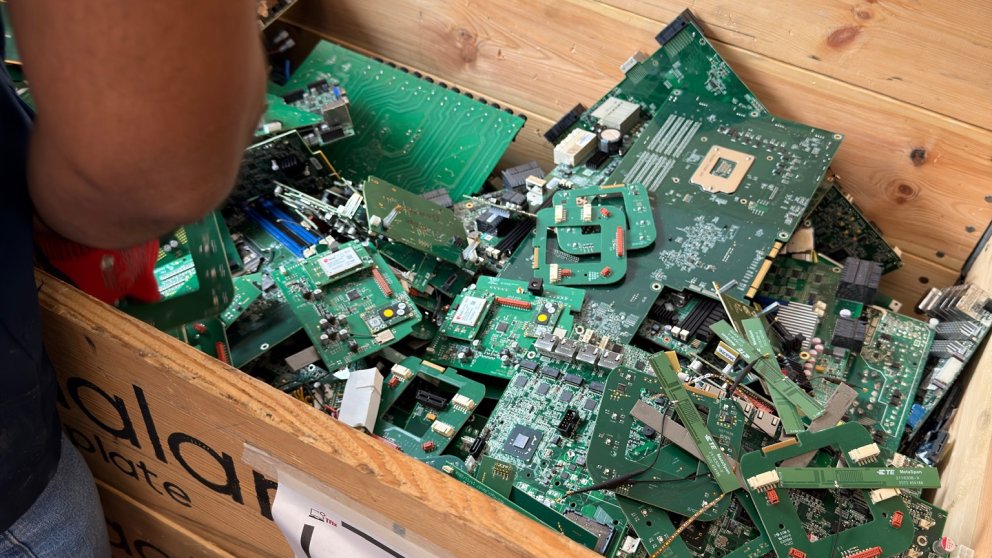
Among the most valuable materials we handle are printed circuit boards, commonly known as PCBs. These boards are found inside computers, servers, networking equipment, appliances and many other electronic products. Once separated from equipment that cannot be reused, they can be sent to a specialist circuit board recycler for further processing.
Why printed circuit boards are separated
PCBs contain a mixture of materials, including fibreglass, plastics, copper and small quantities of precious metals. Their complex construction means they should not simply be treated as general waste. Separating circuit boards from other components allows specialist facilities to use processes designed for this particular material.
This is an important part of responsible IT recycling. It helps ensure that equipment is assessed according to its remaining value, while materials from non-reusable devices are directed towards appropriate recovery routes. The result is a more considered approach than sending mixed electronic equipment straight to disposal.
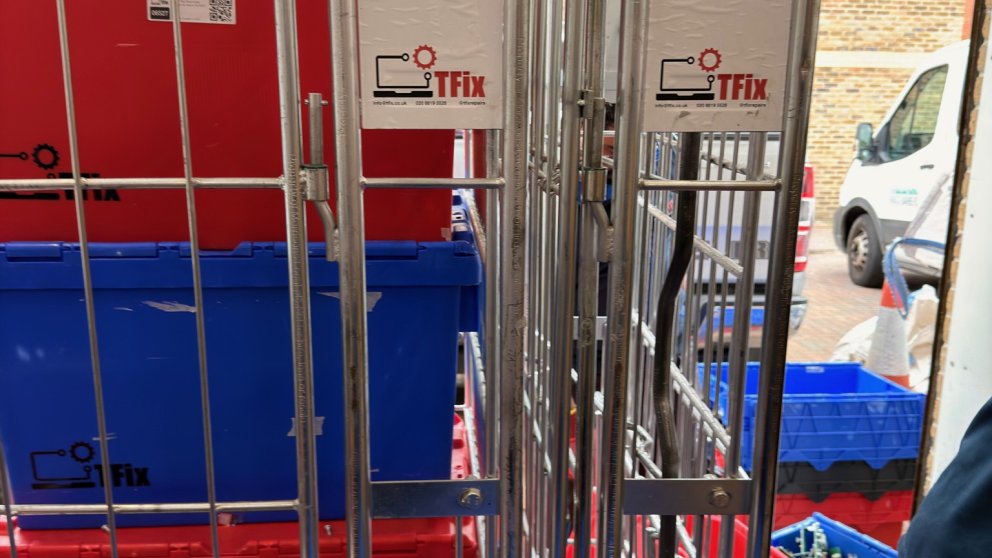
What happens during PCB recycling?
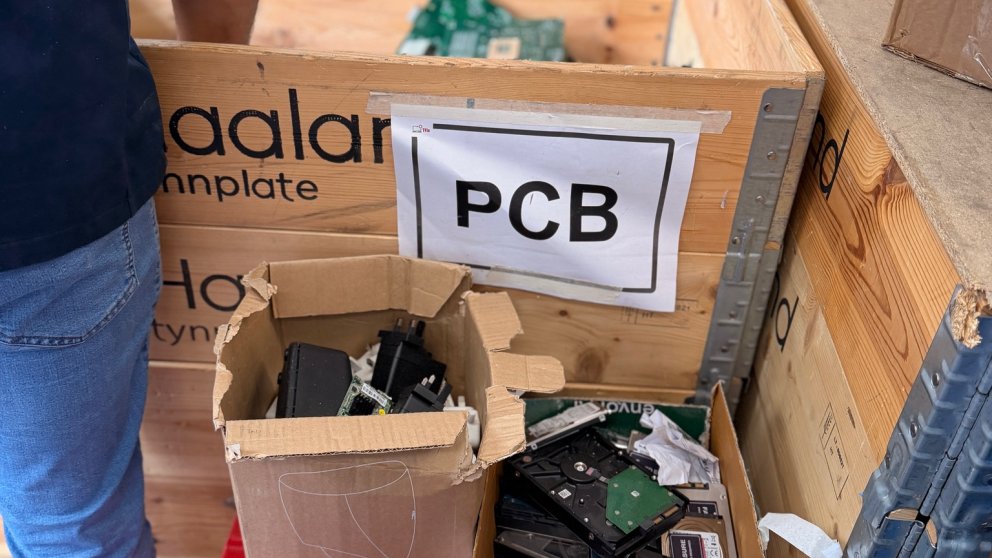
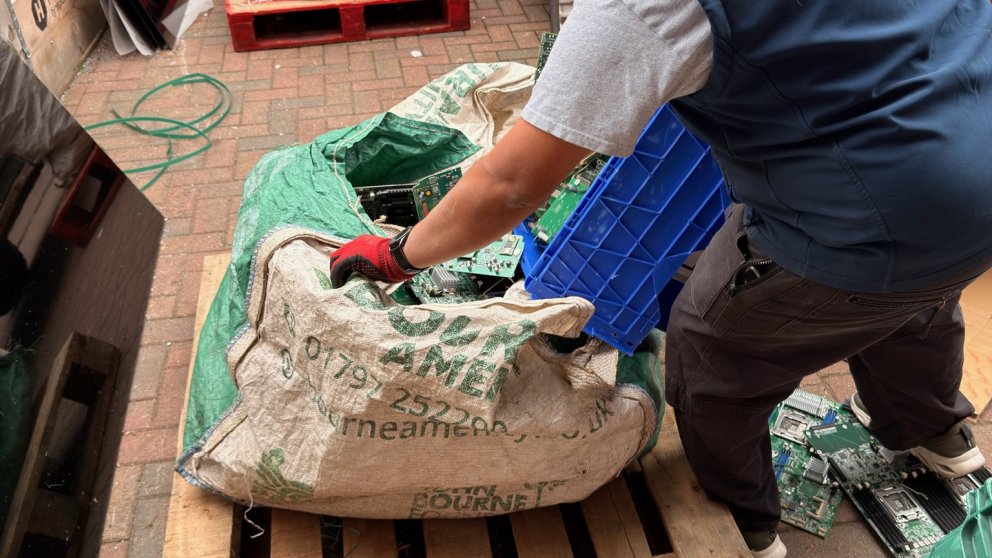
After collection and sorting, equipment is dismantled and its main components are separated. Circuit boards are then grouped for specialist recycling rather than mixed with unrelated materials. The boards may be graded according to their type, composition and potential material value before being sent to a suitable downstream processor.
At the circuit board specialist, further mechanical and chemical processes can separate the different material fractions. Valuable metals may be recovered and prepared for use in manufacturing. The exact process depends on the recycler and the material being handled, but the overall aim is the same: recover useful resources and reduce the need for virgin materials.
- Equipment is assessed for repair, reuse or material recovery.
- Non-reusable devices are dismantled into suitable component streams.
- PCBs are separated and prepared for a specialist recycler.
- Materials are processed so they can re-enter manufacturing where appropriate.
Recycling alongside reuse
Good IT asset disposition, or ITAD, does not mean recycling everything immediately. Reuse usually provides the best opportunity to extend a device’s working life, so equipment should first be assessed for repair, refurbishment, resale or parts recovery. Devices that can no longer meet those routes still have value as sources of recoverable materials.
This approach supports a practical hierarchy: keep working equipment in use where possible, recover usable components when repair is not viable, and recycle the remaining materials responsibly. It also helps businesses understand what happened to their equipment instead of treating every item as an indistinguishable load of waste.
Why traceability matters to businesses
For an IT manager or business owner, responsible recycling is about more than environmental considerations. Equipment may contain company information, asset labels and components with residual value. A clear process should account for what was collected, what was suitable for reuse and what was dismantled for recycling.
Data-bearing devices should be identified and handled through an appropriate data erasure or destruction process before they move into reuse or recycling channels. Keeping records of these stages can support internal asset registers, customer requirements and environmental reporting. Depending on the service and material route, documentation may include inventory records, data-erasure evidence and waste transfer paperwork.
Giving electronic materials another purpose
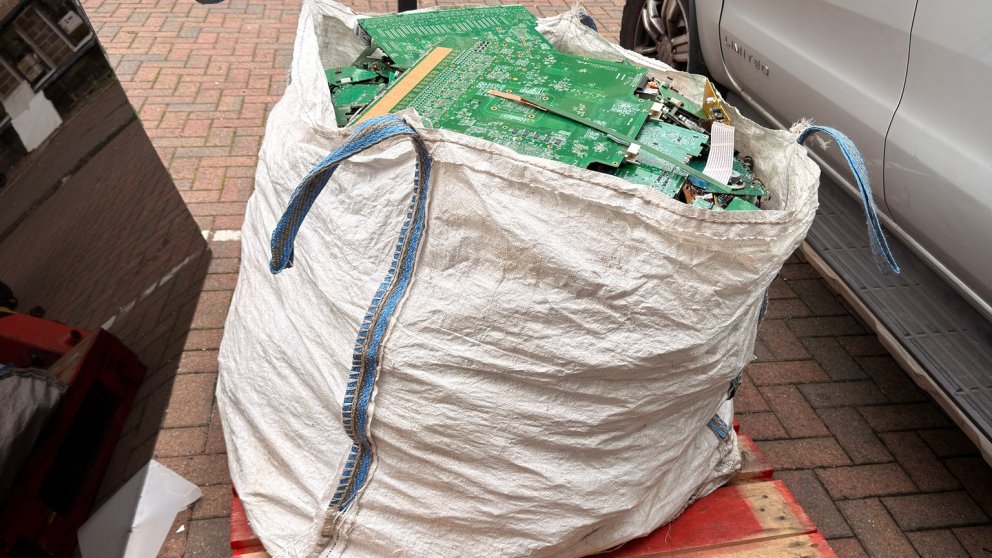
A large volume of separated PCBs represents the final stage of one product’s life, but it can also be the starting point for another manufacturing cycle. Through specialist processing, recoverable materials can be extracted and returned to industry for use in new products.
We believe this is what responsible IT recycling should look like: reuse where practical, secure handling of information, careful separation of components and appropriate downstream recycling. It turns obsolete equipment into a managed resource rather than simply sending it away as waste.
When you are planning an office clear-out, equipment refresh or IT asset recovery project, we can help you understand the right route for each item. Get in touch to learn more about our IT recycling and data erasure services, and how we can support a clear, responsible process from collection through to material recovery.
Ready to act on this?
Book a free ITAD assessment, compare your destruction options, or review provider-selection guidance before choosing a partner.
Need help with this in your organisation?
Book the matching service directly based on this article topic.