The Ultimate Guide to SSD PSID Unlocking: Recovering "Bricked" Enterprise Storage

The Hidden Cost of Misdiagnosed E-Waste
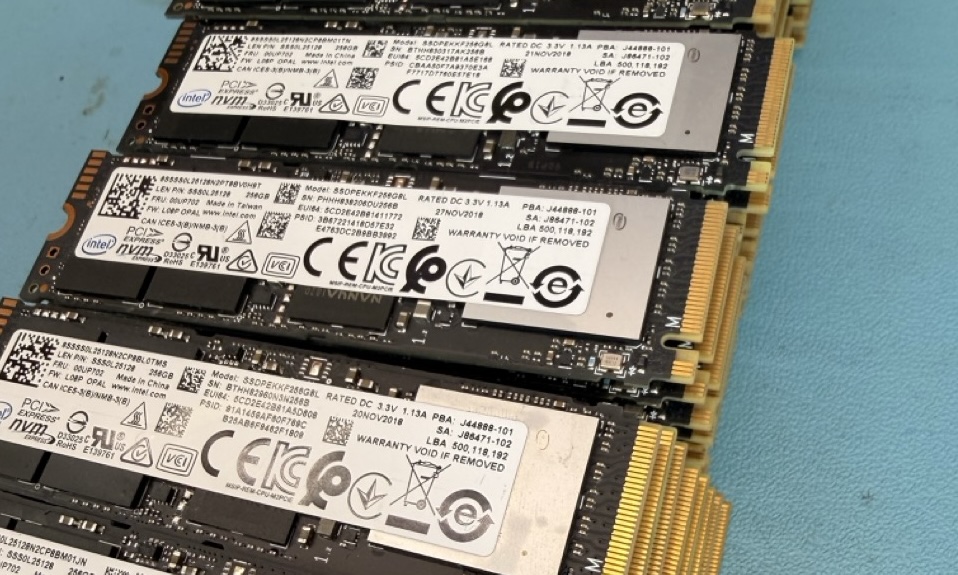
In the world of IT Asset Disposition (ITAD), thousands of high-capacity SSDs are sent to the shredder every day because they appear 'write-protected' or 'bricked'. When standard formatting tools and BIOS-level wipes fail, most technicians assume the hardware has reached its end-of-life.
In reality, they are usually mistaken. These drives are often simply locked at the hardware level via TCG Opal 2.0 security protocols. This isn’t a hardware fault; it’s a state of 'security suspension' that standard software cannot bypass. To the uninformed, it is scrap. To a strategic asset manager, it is a high-margin recovery opportunity.
Why Standard Sanitisation Fails
Most IT professionals reach for tools like Parted Magic or standard Secure Erase features. However, if a drive is Opal-compliant, the controller has locked the Media Encryption Key (MEK).
Because this lock exists at the firmware level, software-based overwriting is physically blocked. This creates a massive operational bottleneck for UK businesses:
-
Manual Recovery is Labour-Intensive: Inputting 32-character Physical Security IDs (PSID) manually is slow and prone to human error.
-
Hardware Conflicts: BIOS 'frozen' states often prevent security commands from reaching the drive registers.
-
Scalability Issues: Managing these locks across hundreds of units using 'DIY' methods is rarely cost-effective.
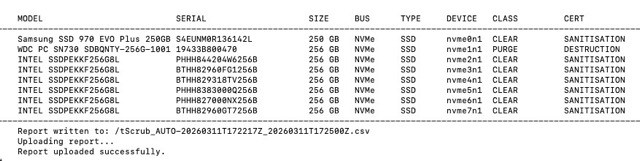
The TFix Solution: Automated Firmware-Level Recovery
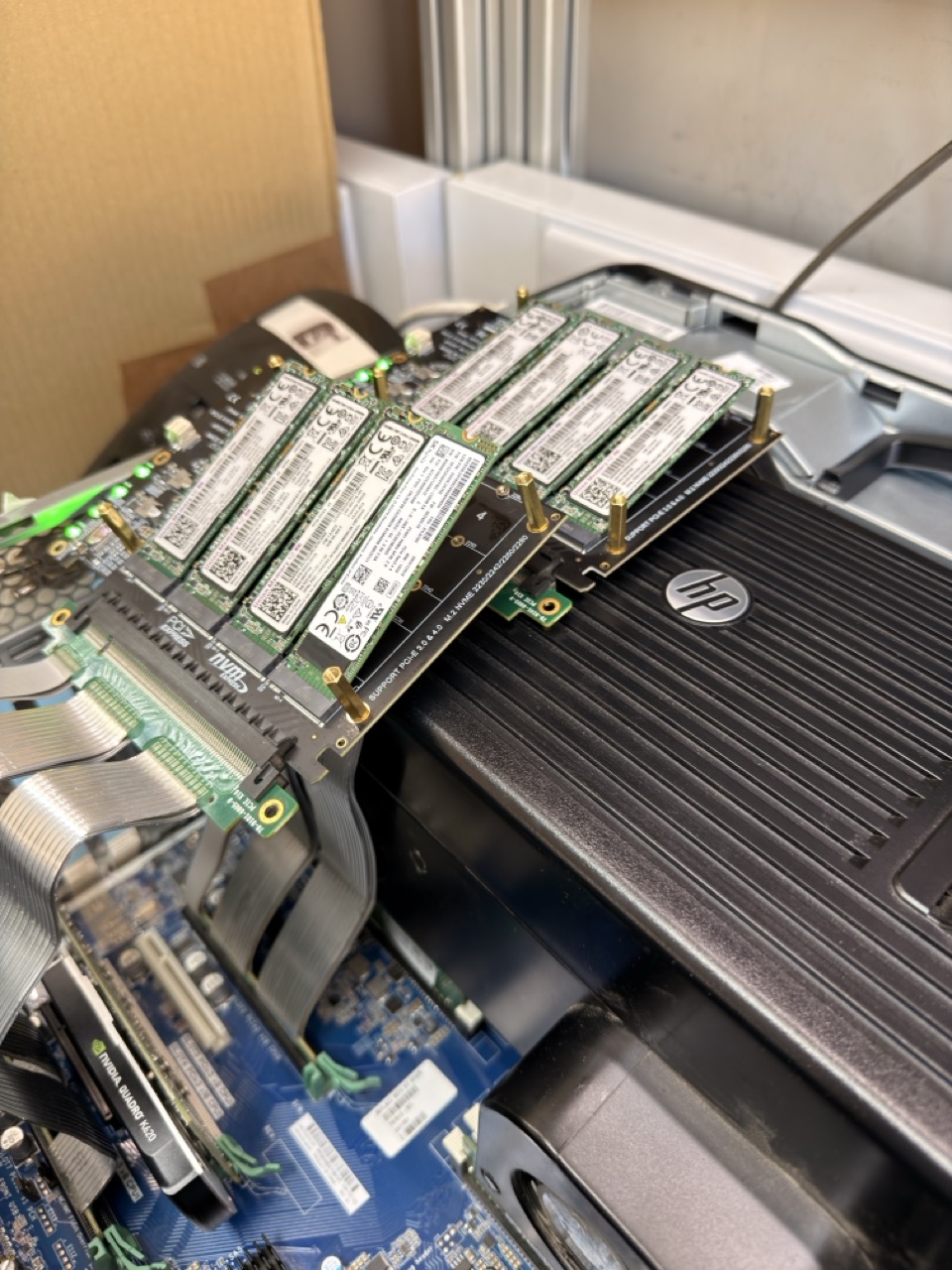
TFix bridges the gap between cybersecurity and financial recovery. We utilise a proprietary automated workflow designed to process large batches of locked SSDs with a 95%+ success rate.
1. Guaranteed Data Sanitisation (NIST 800-88r2)
Our process utilises Cryptographic Erase (CE), which is classified as a 'Purge' under NIST guidelines. By destroying the internal encryption keys at the firmware level, we ensure:
-
Total Irreversibility: Data is unrecoverable even by specialist forensic laboratories.
-
Deep Sanitisation: We reach data in over-provisioned areas of the NAND that standard wipes simply miss.
-
Full Compliance: Our workflow meets the most stringent GDPR, HIPAA, and NCSC requirements.
2. Radical ROI: From Scrap to Stock
We help organisations stop valuing their retired assets by the kilogram and start valuing them by capacity and performance.
-
The 'Waste' Model: Shredding a locked 1TB NVMe drive yields roughly £0.50 – £1.00 in scrap value.
-
The 'TFix' Model: Unlocking and certifying that same drive restores its market value to £35.00 – £50.00.
Frequently Asked Questions
Does the recovery process impact drive health? No. This is a factory-level firmware reset. It clears security credentials and data without adding to the Total Bytes Written (TBW) or degrading the physical NAND flash.
What happens if the PSID label is missing? The Physical Security ID is the 'key' to the drive. If the physical label is destroyed, the drive is truly unrecoverable for reuse—this ensures that physical ownership remains the ultimate security gate.
Is this more secure than overwriting? Yes. Cryptographic Erase is the modern gold standard. While overwriting can take hours and potentially miss hidden sectors, our process is near-instant and absolute.
Conclusion: Maximise Your Hardware Lifecycle
Don't let 'write-protected' errors dictate your bottom line. By moving beyond basic software and employing enterprise-grade firmware recovery, IT asset managers can maximise ROI while remaining 100% compliant with UK data protection laws.
Ready to act on this?
Book a free ITAD assessment, compare your destruction options, or review provider-selection guidance before choosing a partner.
Need help with this in your organisation?
Book the matching service directly based on this article topic.