The AI Hardware Boom: How to Responsibly Retire Legacy Servers to Make Room for Next-Gen Infrastructure

The race for Artificial Intelligence (AI) dominance is changing the way companies operate. However, AI is not just about software. It requires massive, heavy-duty hardware upgrades. As UK businesses, data centres, and tech teams rush to deploy the high-power processing needed for AI, server rooms are feeling the squeeze.
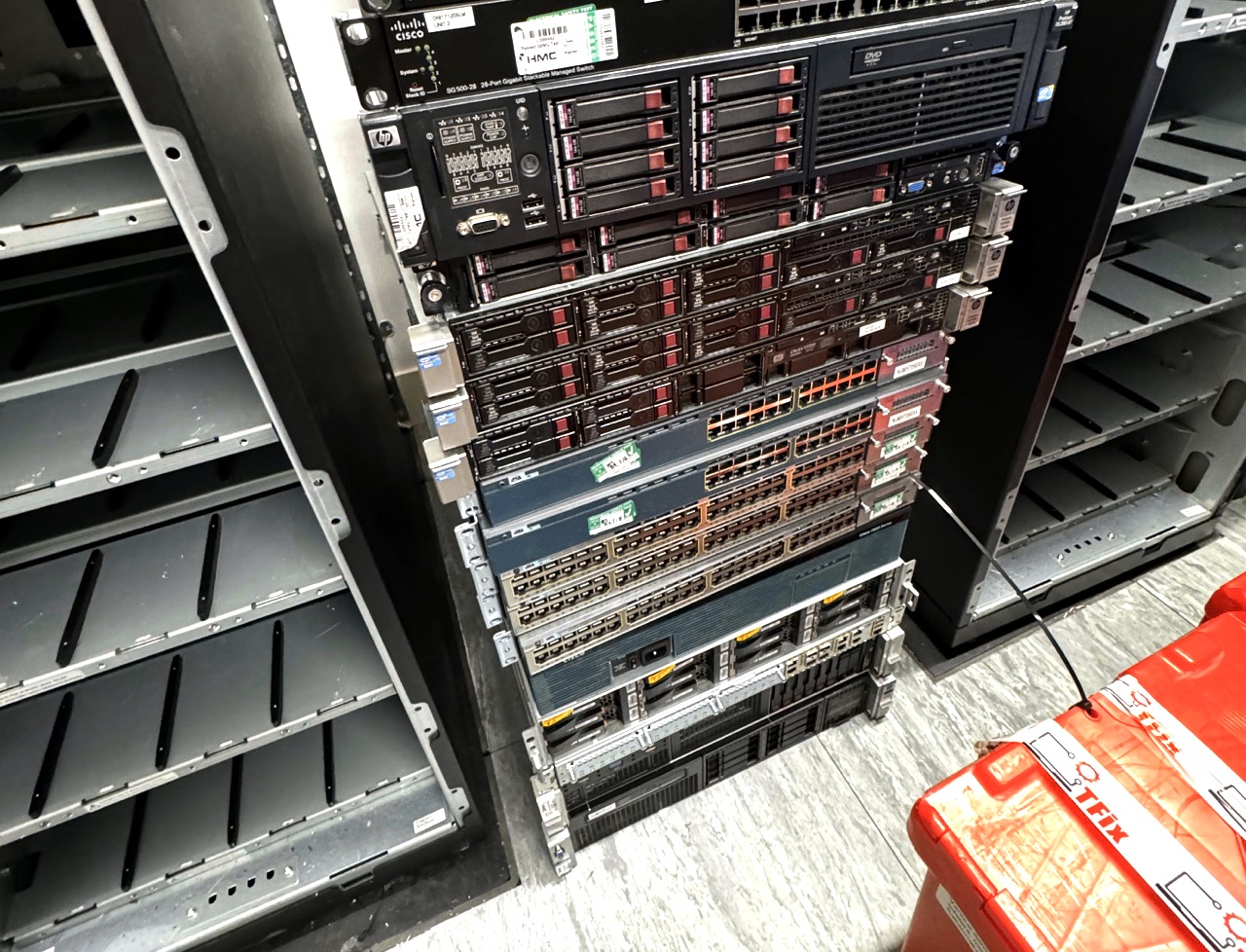
To make space for specialized graphics cards (GPUs) and advanced liquid-cooling systems, older enterprise hardware is being pushed out faster than ever before. Traditional data centre equipment used to last about five to seven years. In 2026, the intensity of AI data processing has cut that lifespan down to just two or three years.
This rapid shift leaves IT directors and compliance officers facing a massive challenge: How do you quickly clear out legacy enterprise racks without creating an e-waste crisis or ruining your corporate sustainability goals?
The Invisible Crisis: AI Upgrades and Scope 3 Emissions
The environmental impact of AI is usually discussed in terms of electricity use. But for UK businesses, there is another major problem: electronic waste and supply chain carbon emissions.
When you decommission perfectly working (but non-AI-optimised) servers, throwing them into a standard waste stream drastically spikes your Scope 3 emissions. Under modern Environmental, Social, and Governance (ESG) reporting rules, your business is responsible for the full lifecycle of its technology. Simply handing equipment to an uncertified scrap dealer who shreds everything does not just destroy valuable materials—it actively damages your corporate green targets.
AI hardware relies on a complex mix of critical minerals and rare metals. Responsibly retiring this legacy equipment requires a shift from a "waste disposal" mindset to a strict circular economy approach.
Turning Liabilities Into Capital: Maximizing Asset Recovery Rebates
Upgrading to next-generation AI infrastructure is incredibly expensive. High-bandwidth memory and specialised microchips are commanding premium prices with tight delivery times. Fortunately, the equipment you are pulling out of your server racks can help pay for those upgrades.
As outlined in our IT Asset Recovery Guide, poor preparation during decommissioning can turn a potential cash rebate into a costly disposal fee. To get the highest possible financial return on your legacy servers, focus on these three enterprise components:
1. High-Capacity Enterprise SSDs
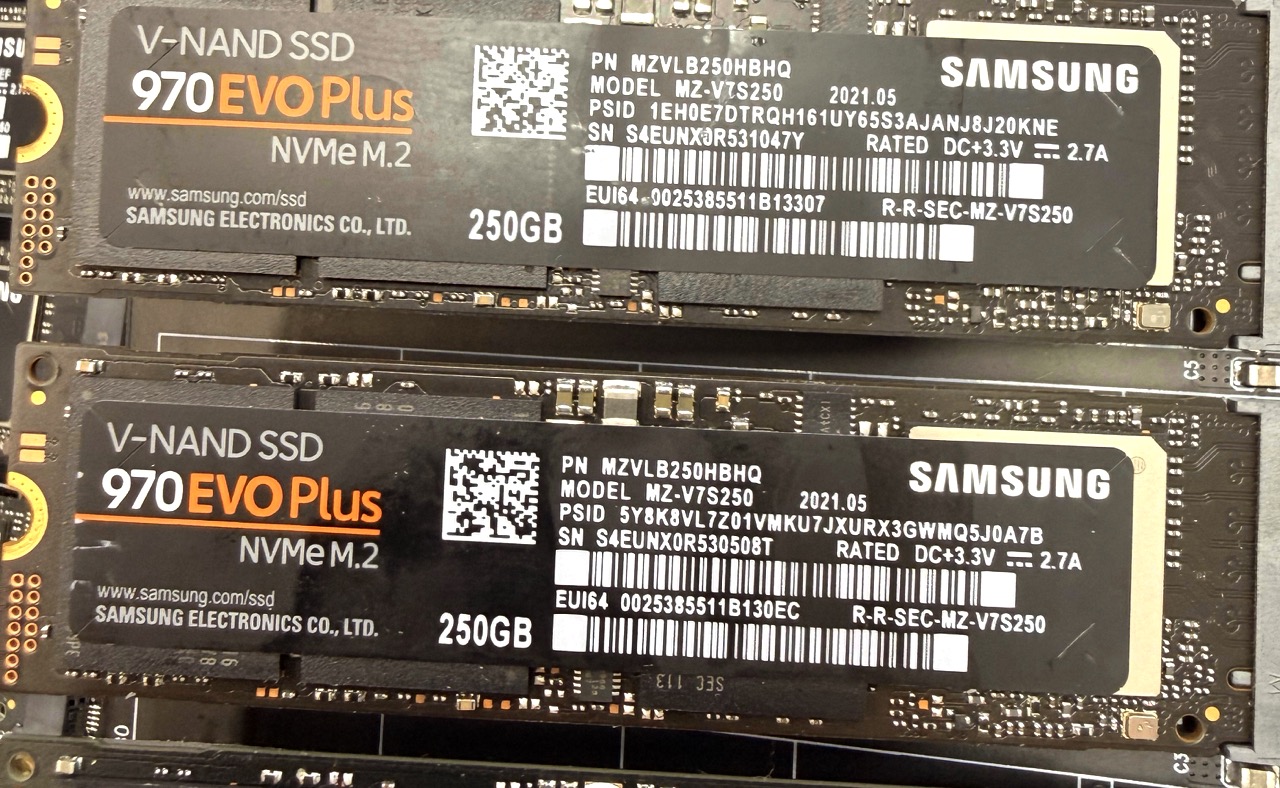
Thousands of enterprise-grade solid-state drives (SSDs) are mistakenly sent to physical shredders every day because they appear "write-protected" or locked after removal. Through technical processes like SSD PSID Unlocking, TFix safely bypasses these firmware locks. This allows us to securely erase the data without destroying the physical drive. High-value flash storage can then be safely resold, netting your business a much higher rebate.
2. Standard Logic and CPU Modules
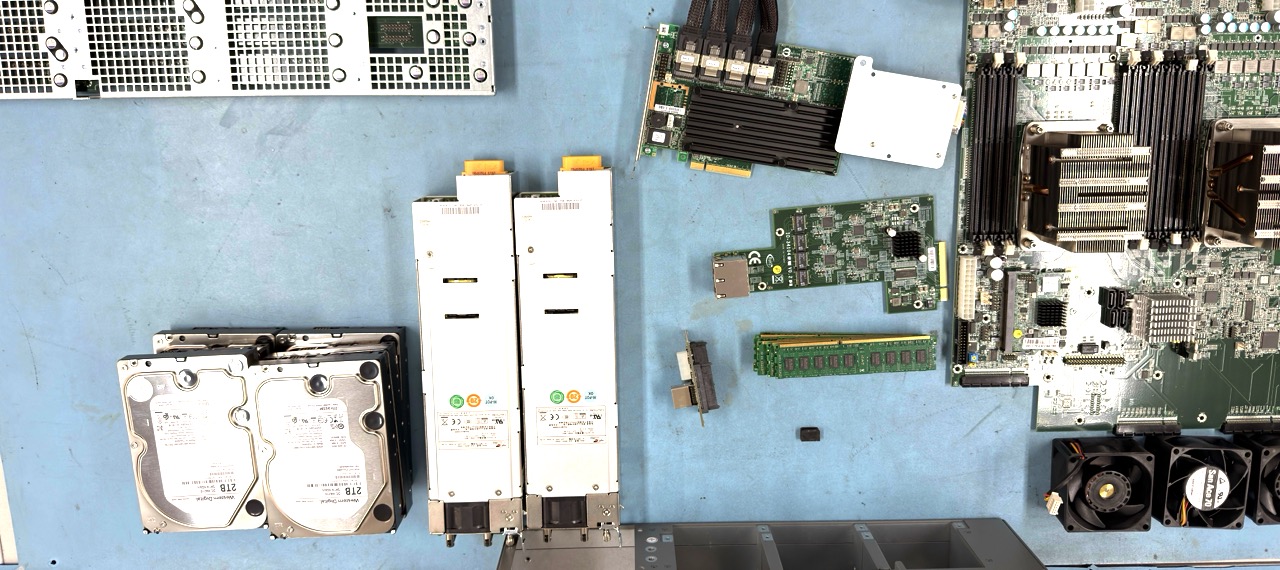
While older processors might no longer cut it for heavy AI deep-learning algorithms, they remain highly valuable for secondary markets. Other industries still need them for standard corporate tasks and industrial applications.
3. Server Rack Infrastructure
It isn’t just the chips inside the server blades that hold value. Network switches, routers, copper cabling, and power distribution units (PDUs) can all be cleanly processed for cash returns when handled by the right IT Asset Disposition (ITAD) partner.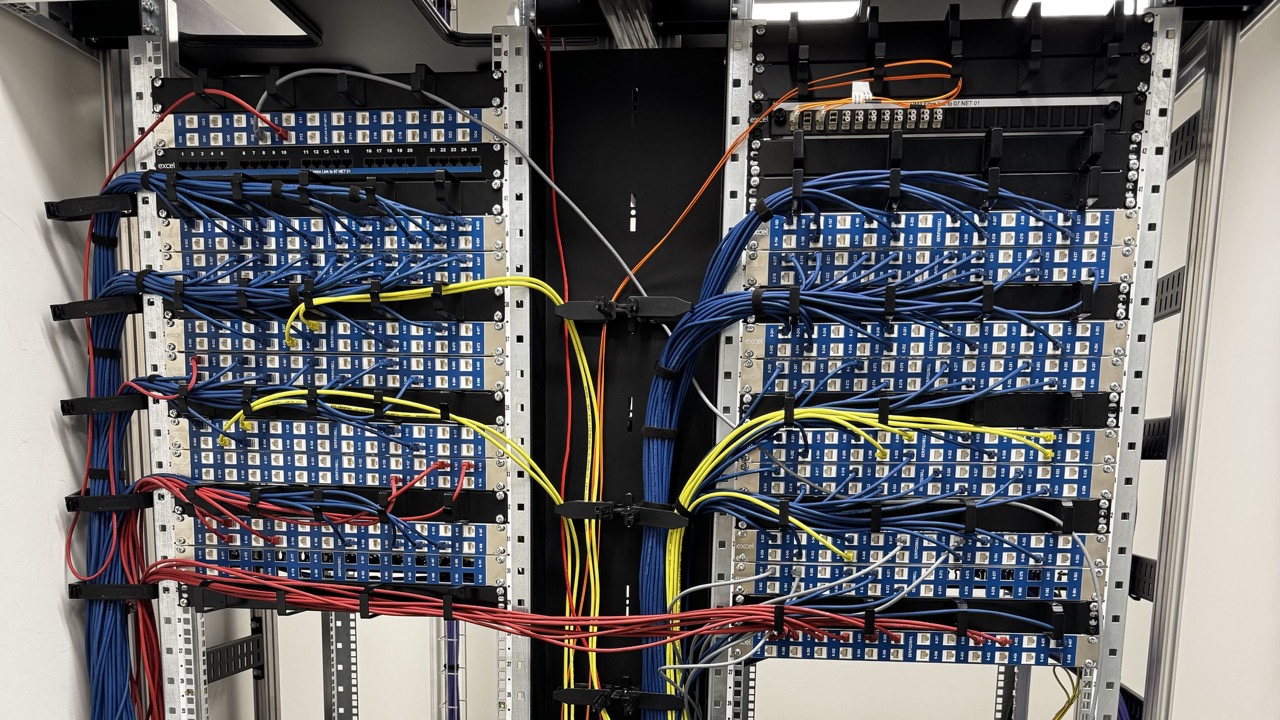
How TFix Balances Your ESG Carbon Calculators
At TFix, we bridge the gap between rapid tech deployment and airtight compliance. We provide UK organisations with a certified, zero-disruption decommissioning process designed for complex server environments.
-
Serialized Chain of Custody: From the moment a server blade leaves your rack, it is individually logged and tracked. We provide audit-ready proof of data erasure or physical destruction, ensuring total compliance with UK data protection laws.
-
No Offshore Brokering: Unlike asset brokers who ship mixed electronic waste overseas—which violates international laws—TFix manages all processing securely and locally within the UK.
-
Verifiable Carbon Data: Our UK WEEE and Carbon Calculator translates your retired hardware into verifiable carbon offset data. Instead of guessing your environmental impact, you receive clear data showing exactly how much e-waste was diverted from landfills and how much carbon was saved through hardware reuse.
Future-Proof Your Infrastructure Refresh
The AI boom does not have to break your sustainability goals. By treating your legacy data centre equipment as a valuable asset rather than electronic waste, you can fund your next-gen infrastructure upgrades while keeping your ESG commitments perfectly balanced.
Ready to act on this?
Book a free ITAD assessment, compare your destruction options, or review provider-selection guidance before choosing a partner.
Need help with this in your organisation?
Book the matching service directly based on this article topic.