Why Your ITAD Provider Needs ADR Training to Collect Old Laptops (And the Corporate Risks If They Don't)

When a company replaces hundreds of employee laptops, the main focus is usually on data security and GDPR. Businesses spend weeks checking data wiping rules, but they often forget about the physical side of things: putting hundreds of volatile lithium-ion batteries into a van and driving them on public roads.
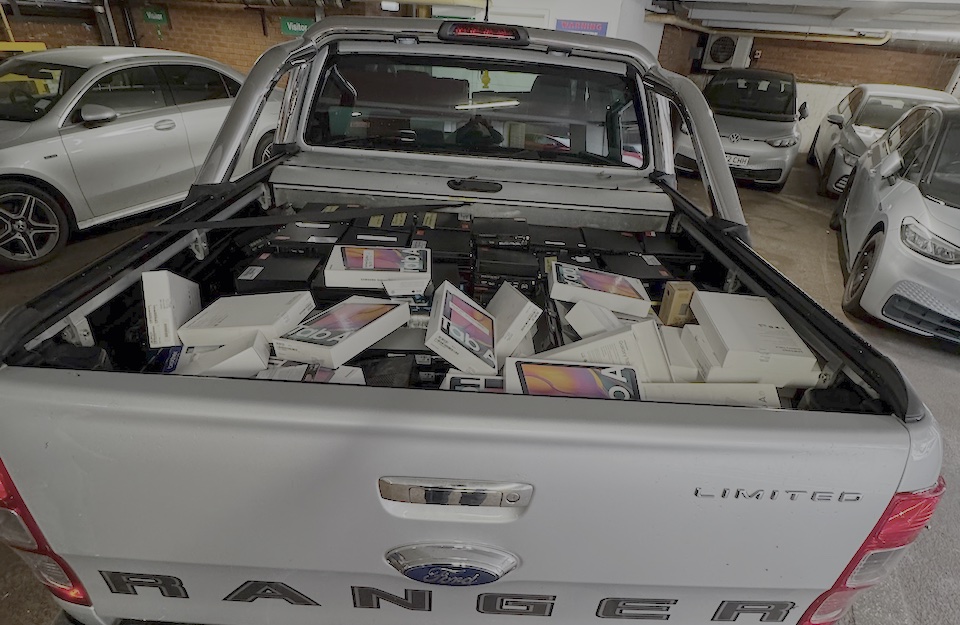
At TFix, we believe that moving old tech should be just as secure and legally compliant as wiping the data. To keep our clients safe and fully legal, our logistics team has completed certified ADR 1.3 General Awareness training.
Here is what UK businesses need to know about the hidden transport rules for lithium batteries—and why your tech disposal partner's training matters to your business.
1. Intact Laptops: Understanding the Small Load Rules (ADR 1.1.3.6)
When moving standard, undamaged laptops, the lithium-ion batteries are safely tucked away inside the equipment. This is officially classified as UN 3481. For small batches of fewer than 100 units, the shipment falls under the ADR 1.1.3.6 Small Load Threshold.
This threshold means you are exempt from some of the strictest dangerous goods rules, but it is not a total exemption from the law. To stay legally compliant on a standard UK road journey:
-
Trained Crew Required: Every single person handling, packing, and driving the load must have documented ADR 1.3 general awareness safety training.
-
Fire Safety Mandate: The transport vehicle must carry at least one certified, sealed, and in-date 2 kg dry powder fire extinguisher.
-
Short-Circuit Prevention: Devices must be packed neatly in strong, rigid boxes (like secure Euro crates) so they cannot slide around, turn on by accident, or short-circuit during the drive.
By using fully trained staff, TFix ensures that even these small loads are fully legal. This removes the risk of using an untrained courier, which could leave your business facing legal trouble.
2. Loose Batteries: The Standalone Storage Rules
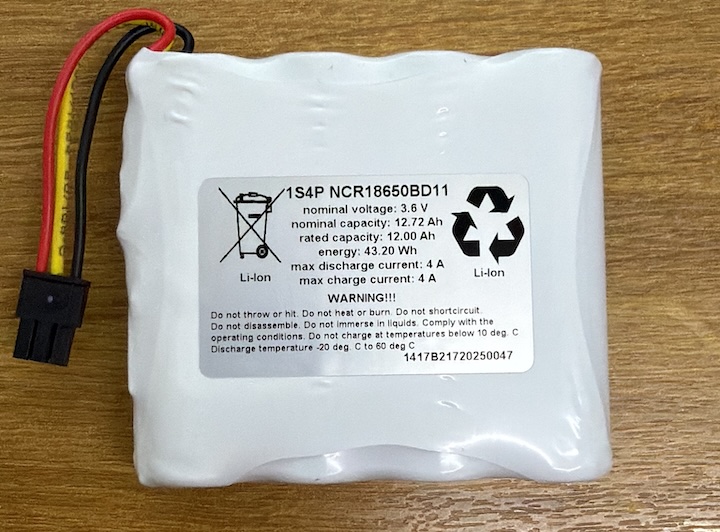
If your IT disposal plan involves pulling intact lithium batteries out of the laptops before transport, the rules switch to a different category: UN 3480 (Lithium Ion Batteries).
If these are standard laptop batteries, they will be rated under 100 Wh each. They can be transported under Special Provision 188, which lets you skip full dangerous goods rules as long as the total weight of the box stays under 30 kg. The battery ends (terminals) must be covered with tape so they cannot touch each other and spark.
For batches over 30 kg, or for larger batteries, you must use industrial, UN-tested packaging:
-
Batteries must be stored in specialized, UN-approved containers (like standard blue plastic drums with a clamp lid).
-
The container must have a Class 9A Lithium Battery Label on it and be clearly marked with the text: "UN 3480".
3. The Big Danger: Damaged or Swollen Lithium Batteries
The biggest risk to a business happens when a battery inside a laptop goes wrong. If an ITAD collection contains even a single laptop battery that is swollen, puffed up, leaking, or badly cracked, standard exemptions instantly disappear.
Under Special Provision 376, damaged lithium batteries are dropped to Transport Category 0. This instantly triggers strict legal rules:
-
Driver Credentials: The driver can no longer operate with basic awareness training. They must legally hold a full, physical ADR Driver Card.
-
Vehicle Preparation: The vehicle must carry a full ADR safety kit (including wheel chocks, warning signs, a drain seal, and a shovel) and display plain, reflective orange plates on the front and back.
-
Hazardous Waste Mandate: Laptops collected from a corporate site are technically classified as hazardous waste. Moving a compromised unit means you must legally use a Hazardous Waste Consignment Note (HWCN) to track the shipment, and your business must keep this paperwork for 3 years.
Choosing a Safe Chain of Custody
If your current IT disposal company turns up in an unequipped van with an untrained driver, your business faces massive legal risks under UK transport and environmental laws.
Because the team at TFix is fully ADR-trained, we check, isolate, pack, and transport your old IT assets in perfect alignment with the law. We protect your business from legal, physical, and environmental risks from the exact moment the hardware leaves your office.
Ready to act on this?
Book a free ITAD assessment, compare your destruction options, or review provider-selection guidance before choosing a partner.
Need help with this in your organisation?
Book the matching service directly based on this article topic.