What Actually Drives IT Decommissioning Costs? (And How We Avoid Hidden Fees)

If you have ever requested quotes for a corporate IT hardware refresh, you know how wildly the numbers can vary. One provider submits a rock-bottom estimate, while another quotes double the price for what appears to be the exact same scope of work.
In the ITAD (IT Asset Disposition) industry, the lowest upfront bid is rarely the cheapest final invoice. Some operators use low headline rates to win tenders, knowing they can claw back their margin later through hidden fees, processing penalties, and deflated asset rebates.
At TFix, we prefer a straightforward approach. To help you budget accurately for your next refresh, here is a transparent look at the practical variables that dictate project labour—and the industry traps we actively avoid.
The True Drivers of ITAD Project Costs
1. Logistics: The "Pile of Gear" vs. The Loading Bay
Moving hardware isn't just a matter of mileage; it is a calculation of onsite labour hours.
-
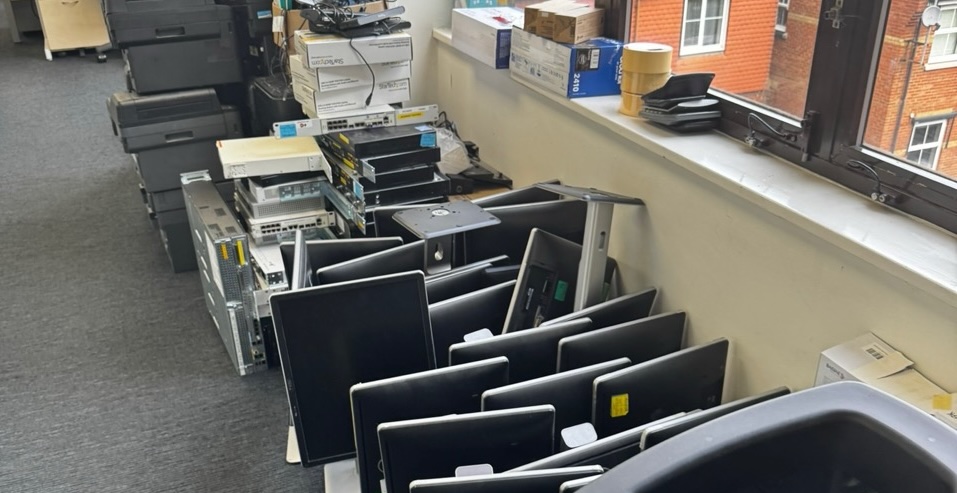
Pre-palletised collection: If your internal IT team has already decommissioned the assets, logged the serial numbers, and securely stacked them on pallets by a ground-floor loading bay, our couriers simply wrap, load, and drive. This keeps your costs to an absolute minimum.
-
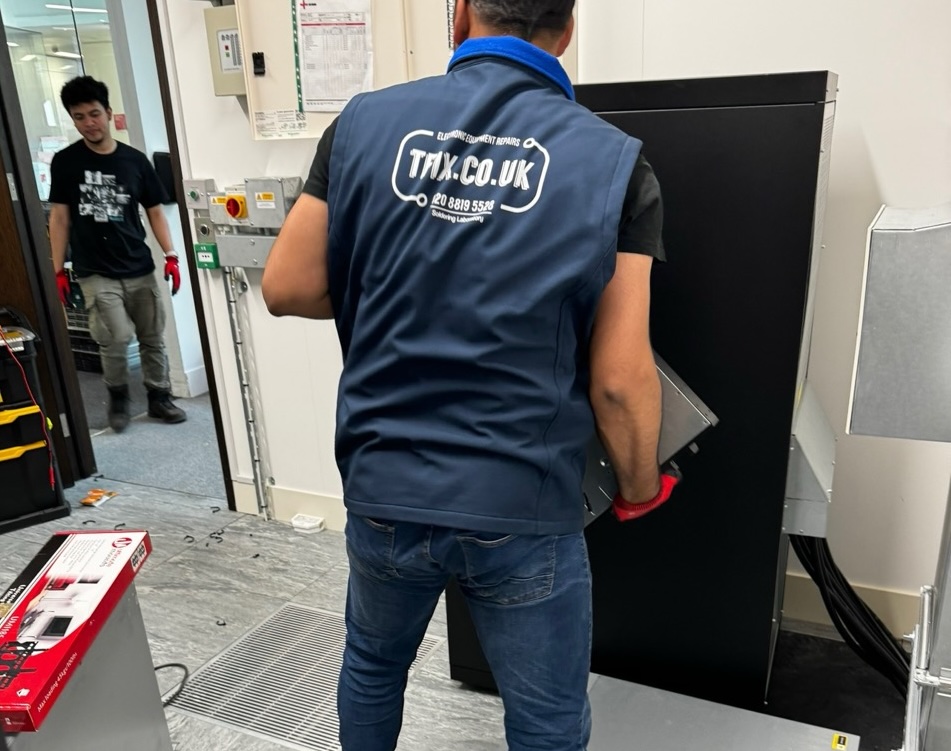
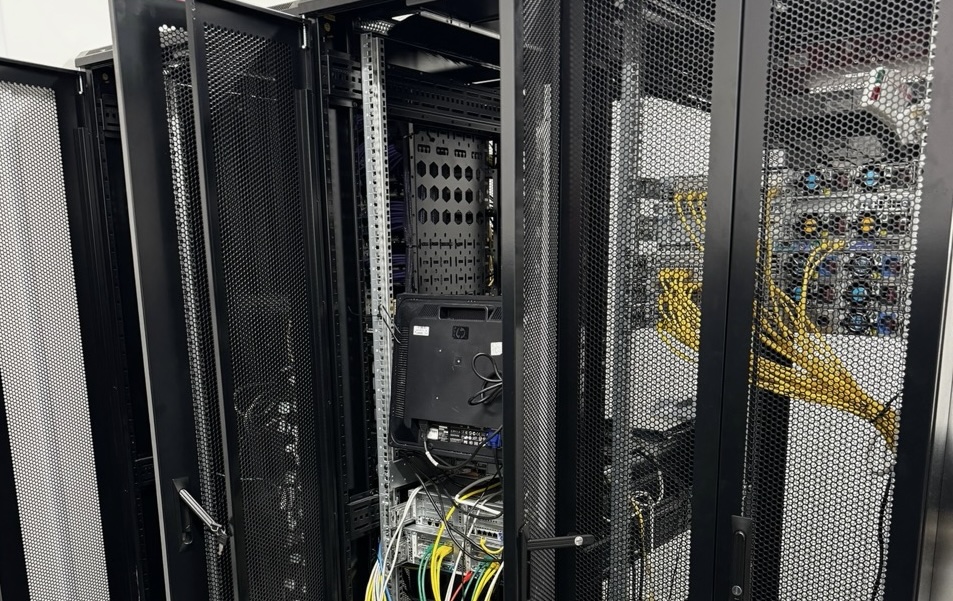
Full-service extraction: If you need our technicians to unrack servers, untangle cables, pack loose laptops into individual crates, and navigate corporate lifts, the quote will reflect the additional onsite engineering time.
2. Data Sanitisation Protocols
Data destruction must be auditable, and your specific security policy directly influences the price per drive.
-
Software Overwriting (NIST 800-88): This is highly secure and the most cost-effective route. We wipe the drives using specialised software at our facility. Because the physical drive remains intact, it can be resold, allowing us to offer you a higher rebate to offset your project costs.
-
On-Site Physical Shredding: If your compliance policy forbids data from leaving your building alive, we must mobilise mobile shredding machinery. This incurs a premium to cover equipment mobilisation, fuel, and active field technician time.
3. Inventory Accuracy and the "Rebate Offset"
A professional ITAD project should generate money back for your business. If you are retiring viable, late-model enterprise laptops, switches, or high-capacity SSDs, their residual value should offset the cost of logistics and data destruction.
However, the condition of the inventory dictates our processing time. If a shipment contains cannibalised PC towers (missing RAM, pulled storage), cut cables, or cracked screens, the labour required to sort, test, and safely recycle the components increases.
The TFix Technical Edge: Many ITAD vendors lack the capability to unlock "bricked" or write-protected enterprise SSDs, so they simply shred them as valueless e-waste. Our team uses advanced PSID unlocking to recover these drives, turning what other vendors call "waste" into a higher rebate for you.
4. Regulatory Administration
The UK waste landscape has tightened. With DEFRA moving away from basic waste carrier registrations toward stricter permitting systems, compliance overhead is a reality. We invest heavily in rigorous digital audit trails and hazardous waste notifications (particularly for volatile lithium-ion laptop batteries). Beware of suspiciously cheap quotes; those operators are likely cutting corners on environmental compliance, exposing your business to severe vicarious liability fines.
Industry Hidden Fees (And How TFix Handles Them)
When comparing quotes, always check the small print for these three common industry add-ons. Here is how we do things differently:
1. Serialised Audit & Certification Fees
You cannot close out a decommissioning project without a Certificate of Destruction (CoD) and a serialised asset report for your compliance team. Some vendors charge a low flat fee for transport but tack on a £2 to £5 fee per line item or per certificate generated.
-
Our Approach: At TFix, serialised data erasure reporting and compliance certificates are fully integrated into our standard per-unit processing cost. You won't get a separate bill for your audit trail.
2. Discrepancies & Re-sorting Penalties
No corporate asset list is 100% accurate. If a lorry arrives at a processing facility and the technicians find 40 extra monitors or 15 fewer desktops than the initial spreadsheet indicated, predatory contracts allow vendors to levy heavy "inventory amendment" or "sorting fees" to pause the line.
-
Our Approach: We understand that live environments change. We work with you to verify inventory variations transparently, adjusting the final rebate or processing cost fairly without hitting you with administrative penalties.
3. Transport Surcharges & Tail-lift Fees
A baseline quote might list a flat "transport fee," but hide clauses for congestion charges, fuel adjustment factors, or "failed collection" fees if your loading bay is delayed by 20 minutes.
-
Our Approach: We quote based on your specific site constraints up front—whether that means timed central London windows or the need for a tail-lift vehicle. The transport price we quote is the price you pay.
Summary: No Surprises
Transparent IT decommissioning relies on clear communication before the lorry arrives. We evaluate your asset mix upfront, align our destruction protocols with your actual risk tolerance, and present a clear breakdown of operational costs against guaranteed residual value rebates.
If you want a straightforward, compliant, and predictable quote for your next IT refresh get in touch with us.
Ready to act on this?
Book a free ITAD assessment, compare your destruction options, or review provider-selection guidance before choosing a partner.
Need help with this in your organisation?
Book the matching service directly based on this article topic.