AI & Green Manufacturing: Saving Our Planet One Chip at a Time
Exploring the role of artificial intelligence in tackling electronic waste and promoting sustainable electronics production Electronic waste, or e-waste, is a growing global issue ...

Exploring the role of artificial intelligence in tackling electronic waste and promoting sustainable electronics production
Electronic waste, or e-waste, is a growing global issue with millions of tonnes of discarded electronics ending up in landfills each year. This not only harms the environment but also wastes valuable resources that could be reused. The rapid advancements in artificial intelligence (AI) and machine learning are now being applied to green manufacturing, offering a promising solution to reduce e-waste and improve the sustainability of electronics production.
“AI has the potential to revolutionise the way we manufacture and dispose of electronic devices, ultimately reducing our impact on the environment.”

AI’s Role in Optimising Production Processes
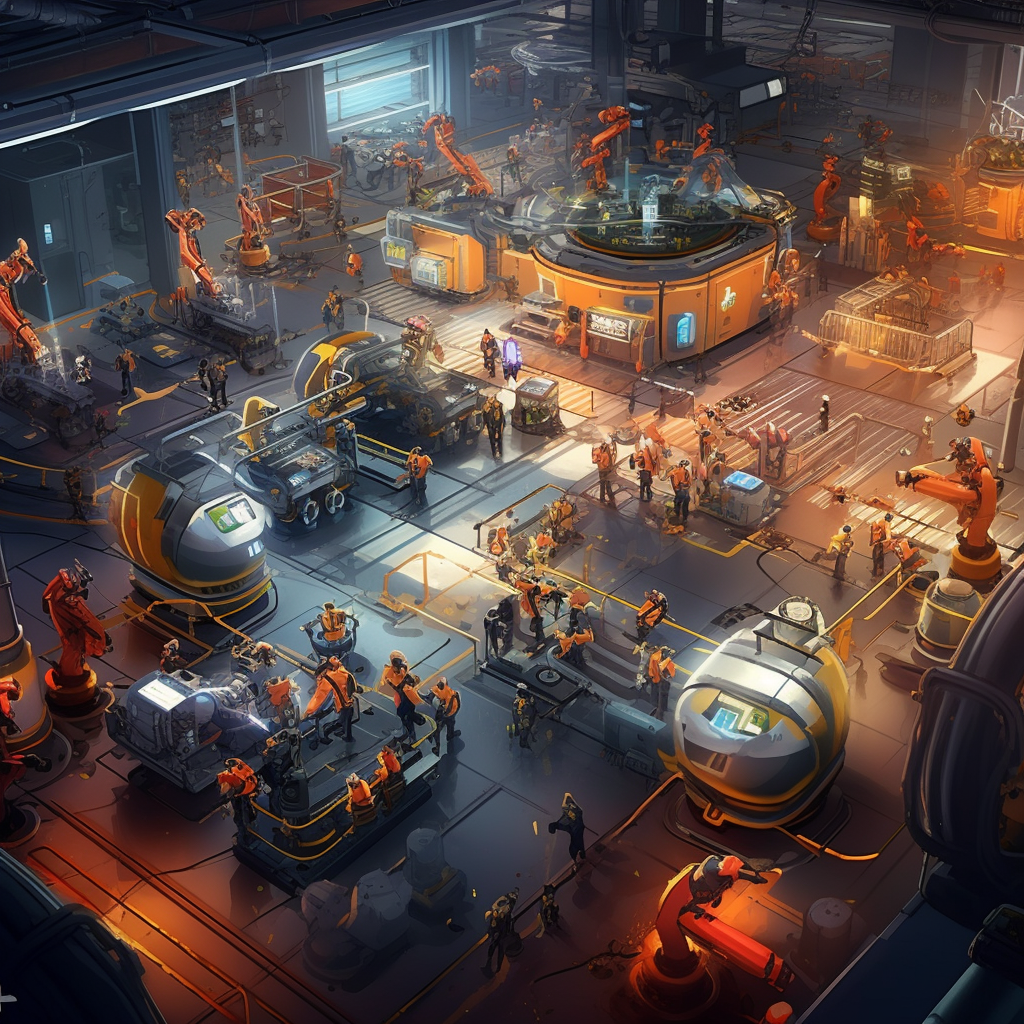
AI can significantly contribute to greener manufacturing by optimising production processes. Analysing data from manufacturing plants allows AI to identify inefficiencies and areas for improvement, helping companies streamline operations, reduce waste, and cut energy consumption. For more in-depth information on AI’s role in manufacturing, check out this comprehensive guide by Deloitte.
Key benefits of AI-driven manufacturing optimisation:
- Improved efficiency
- Reduced waste
- Lower energy consumption
Reducing Waste and Improving Energy Efficiency
Another key aspect of AI in green manufacturing involves minimising waste and enhancing energy efficiency. AI-powered systems can analyse vast amounts of data to identify trends, predict equipment failures, and optimise energy use, leading to reduced waste and lower energy consumption. For a deeper dive into AI and energy efficiency, take a look at this World Economic Forum article.
“By analysing data and predicting trends, AI systems can help companies make smarter decisions about energy usage and waste reduction.”

AI-Driven Recycling and the Circular Economy
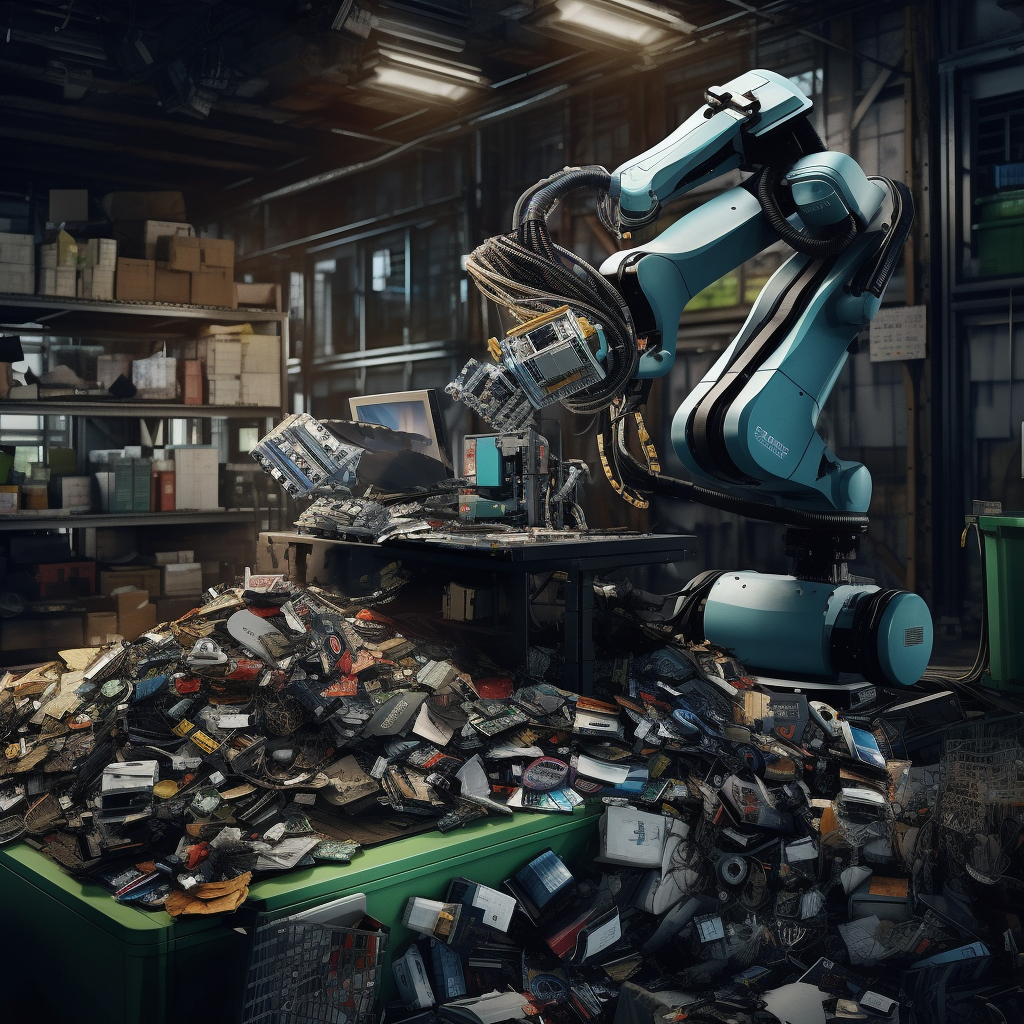
AI also plays a critical role in recycling and promoting a circular economy. Smart recycling systems, powered by AI, can accurately sort and separate different materials, ensuring they are effectively reused. To learn more about AI in recycling, read this insightful article by MIT Technology Review.
Examples of companies using AI in recycling:
- Recycleye: AI-powered robotic waste sorting
- AMP Robotics: Intelligent recycling robots
- Greyparrot: AI-driven waste recognition and monitoring
A Sustainable Future with AI
The integration of artificial intelligence in green manufacturing offers a promising path towards a more sustainable future for the electronics industry. By optimising production processes, reducing waste, improving energy efficiency, and revolutionising recycling, AI is poised to make a significant impact in tackling the e-waste problem and promoting a circular economy.
“The power of AI has the potential to change the way we think about manufacturing and recycling, ultimately leading us towards a more sustainable world.”