Secure Refurbishment and Compliant WEEE Recycling for Enterprise Estates
Last reviewed: 26 February 2026 • For: procurement, compliance, operations, and IT teams • Methodology
Supporting proof: Documents & accreditations, decision pages, and project scoping.
- Industry
- Real Estate & Property Management
- Location
- London, United Kingdom
- Goals
- Secure decommissioning of mixed assets, certified data destruction, and maximised asset recovery value.
- Type
- National Corporate Estate
- Project Date
- 26 Feb 2026
- Last Reviewed
- 26 Feb 2026
Overview
A prominent national real estate company, managing a vast portfolio of commercial and residential properties across the UK, engaged TFix to streamline the decommissioning of their end-of-life IT estate.
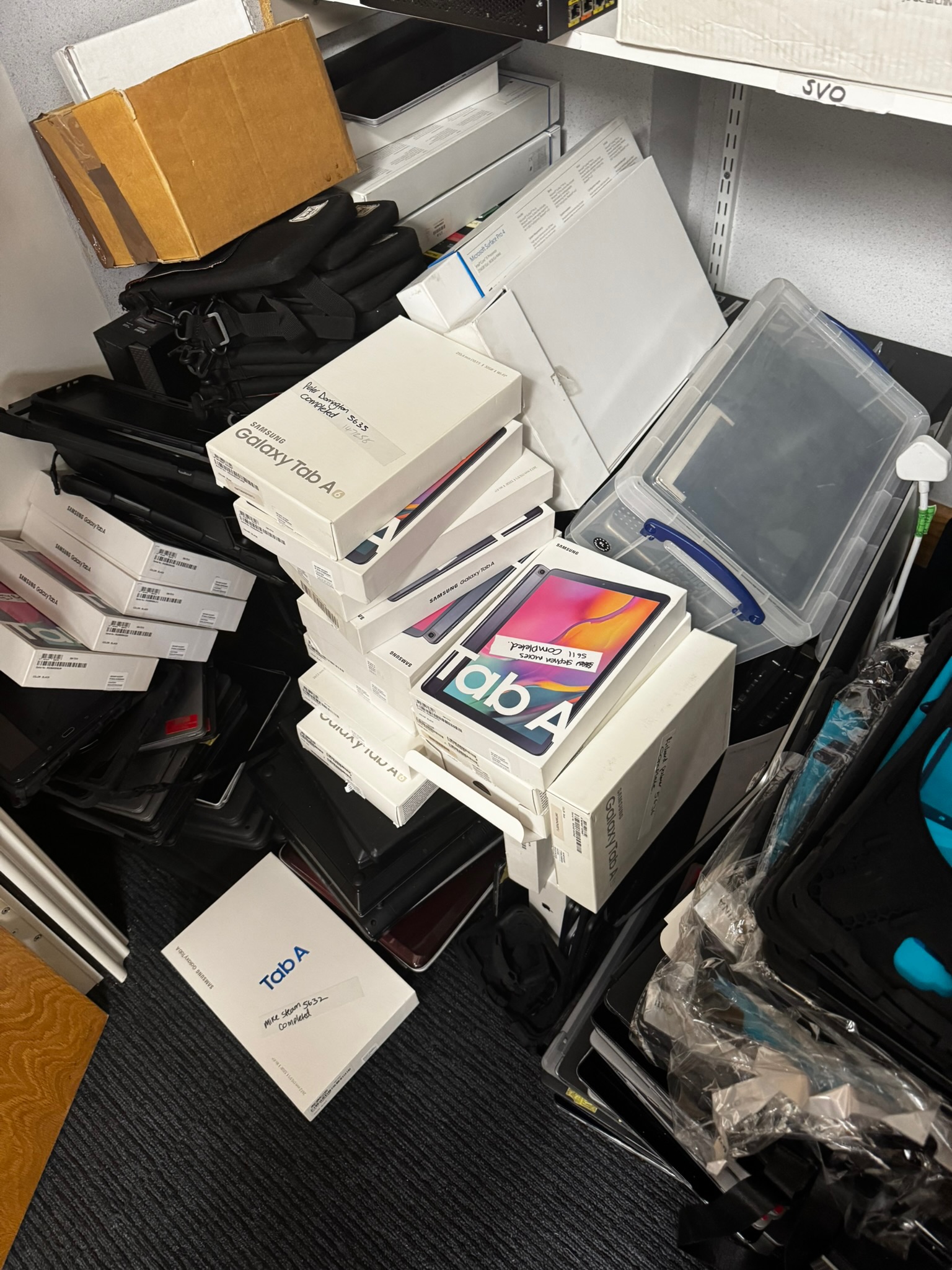
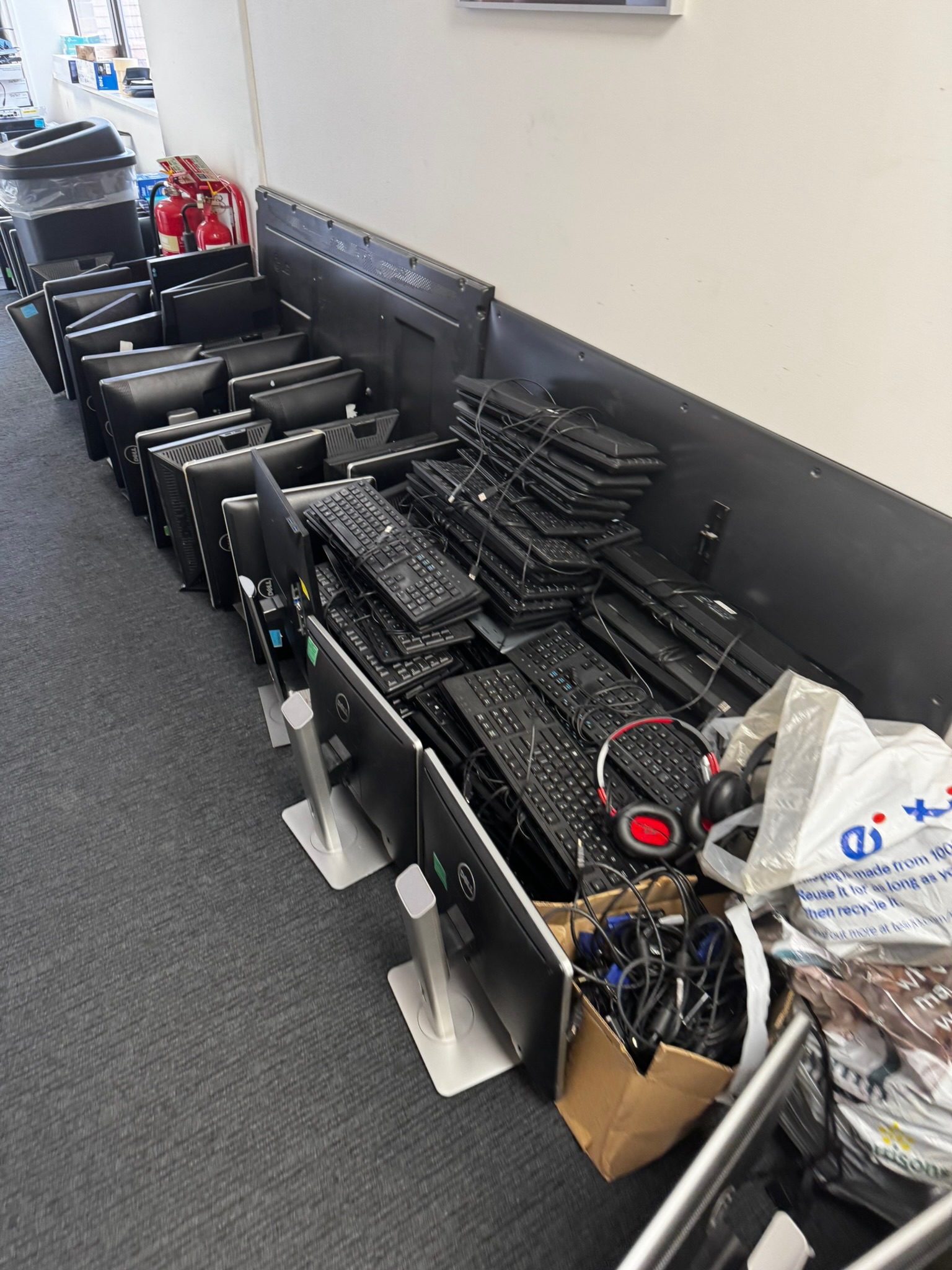
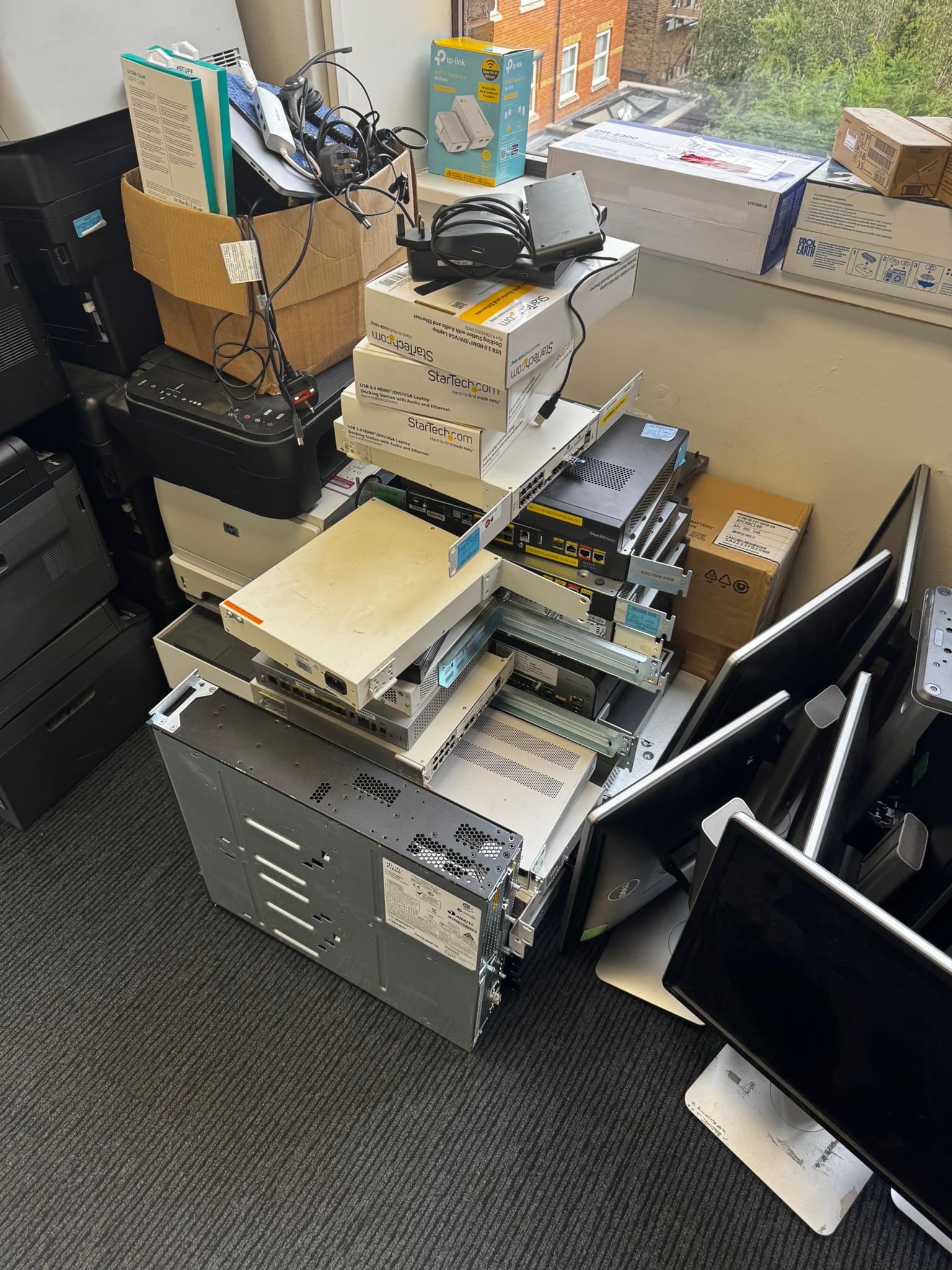
The project encompassed a diverse inventory of legacy hardware, including over 200 tablets, multiple desktop workstations, and an extensive array of monitors and peripherals. The firm required a centralised partner capable of managing logistics, secure data destruction, and a transparent recovery model to extend the life of functional equipment.
The Challenge
- Logistical Complexity: Consolidating mixed assets from multiple regional offices into a single, documented intake stream.
- Mixed Media Sanitisation: Ensuring 100% data destruction across varying storage types, from tablet-integrated flash memory to desktop HDDs and SSDs.
- Environmental Responsibility: Adhering to a strict 0% landfill policy for non-functional monitors and legacy hardware.
- Value Recovery: Identifying functional units suitable for refurbishment to offset the costs of decommissioning and recycling.
TFix Solution
1. Secure On-Site Collection
TFix executed a managed collection using GPS-tracked vehicles. All assets, including tablets, computers, and monitors, were securely loaded using TFix trolleys and protective red crates to prevent damage during transit, ensuring the highest possible potential for refurbishment.
2. Asset Classification & Intake
Upon arrival at our facility, the inventory was logged into our portal, including full serial number capture for every data-bearing device. Equipment was then triaged:
- Goods Reuse: Functional computers and tablets were routed for technical testing and refurbishment.
- Waste Recovery: Non-functional or obsolete items were moved to our manual dismantling line for component and material harvesting.
3. Certified Data Destruction
All tablets and computers underwent a rigorous sanitisation process in line with NIST 800-88r2 standards. Tablets were factory reset to delete encryption keys, while desktop storage media received Enterprise-Level secure erasure or physical destruction for failed units.
4. Refurbishment & Life Extension
TFix technicians performed full hardware servicing on functional units, including internal cleaning, battery health checks, and OS reinstallation. Eligible monitors were graded and prepared for the resale market, effectively extending the lifecycle of the technology and supporting the client’s ESG objectives.
5. Full Audit Documentation
A comprehensive reporting pack was issued, including Waste Transfer Notes (WTN) for the recycled fractions and Certificates of Data Destruction for every individual computer and tablet processed.
Results
- Inventory: Successfully processed 240 tablets, 45 workstations, and 60 monitors.
- Compliance: 100% certified data destruction across all mobile and fixed assets.
- Sustainability: Prevented over 1.2 tonnes of electronic waste from entering landfill.
- Commercial Impact: Collection, data security and processing fees were offset by resale value of refurbished equipment.
Client Outcome
The national real estate firm transformed a potential disposal liability into a structured asset recovery programme. By partnering with TFix, they achieved full regulatory compliance and demonstrated a clear commitment to circular economy principles by extending the life of their redundant hardware.
Services Delivered
- Secure WEEE Collection
- IT Decommissioning & Removal
- Certified Data Destruction
- Asset Recovery & Life Extension
- WEEE-Compliant Recycling