Secure IT Recycling & Lifecycle Extension for Global Medical Manufacturer
Last reviewed: 27 February 2026 • For: procurement, compliance, operations, and IT teams • Methodology
Supporting proof: Documents & accreditations, decision pages, and project scoping.
- Industry
- Medical Equipment Manufacturing
- Location
- United Kingdom
- Goals
- The goals were to achieve 100% certified data destruction for sensitive medical records and maximise sustainability by unlocking and refurbishing end-of-life hardware to prevent e-waste.
- Type
- Global Medical Equipment Manufacturing
- Project Date
- 27 Feb 2026
- Last Reviewed
- 27 Feb 2026
Overview
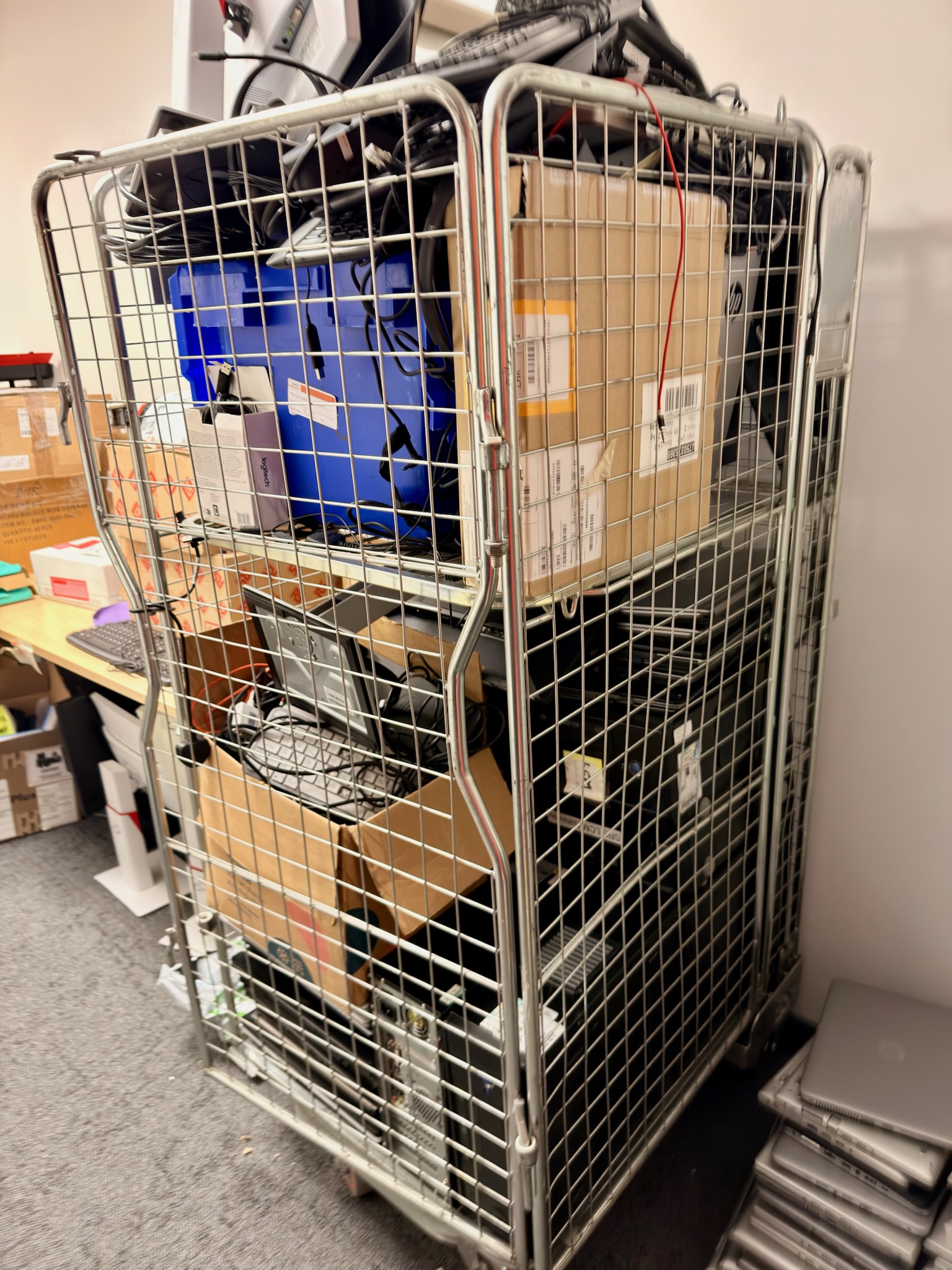
A global medical equipment manufacturer partnered with TFix to sustainably retire their fleet of end-of-line laptops and office equipment. Driven by strong internal environmental policies, the client mandated a "green" recycling approach to extend the life of their hardware. Due to the presence of highly sensitive corporate and medical sector data, Enterprise-Level data sanitisation was a non-negotiable prerequisite before any hardware could be considered for reuse.
The Challenge
Data Sensitivity: Retiring medical sector hardware requires absolute certainty that all confidential data is permanently destroyed in compliance with global regulations.
Hardware Restrictions: During processing, the entire batch of laptops was found to be secured with BIOS passwords and locked to the client's Mobile Device Management (MDM) platform via Azure/Intune, preventing immediate refurbishment.
Sustainability Goals: The client wanted to avoid physical shredding of functional equipment to minimize electronic waste, requiring a technical workaround to salvage the locked machines.
TFix Solution
1. Secure Collection & Intake
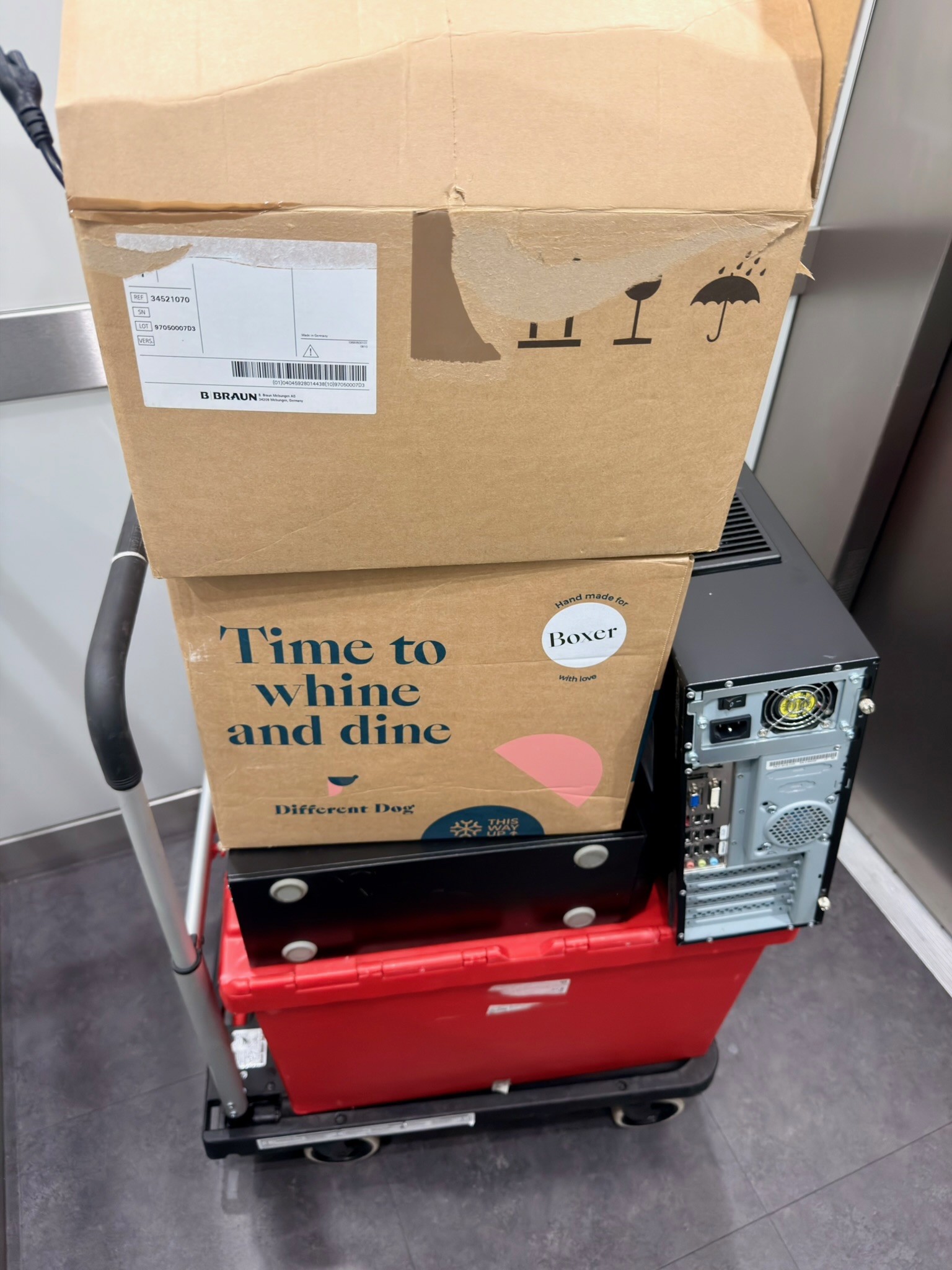
Our logistics team executed a secure, tracked collection, transporting the equipment in sealed red transport crates. Upon arrival at our facility, all assets were logged into our system for complete serial-level traceability.
2. Verifiable Destruction Workflow
We processed all data-bearing devices through our capability-led sanitisation process. Firmware and Flash Translation Layer (FTL) analysis determined the optimal sanitisation method. We then executed NIST 800-88r2 compliant erasure. To validate success, our technicians performed forensic data recovery attempts on a 5% audit sample. Finally, serial-linked Certificates of Destruction were instantly generated and made accessible via the client portal.
3. Technical Collaboration & Unlocking
Instead of condemning the locked laptops to scrap, our technical team paused the refurbishment workflow and liaised directly with the client's IT department. We successfully obtained the necessary BIOS passwords and provided a comprehensive list of serial numbers, enabling the client to remotely release the devices from their Azure/Intune MDM environment.
4. Refurbishment & Lifecycle Extension
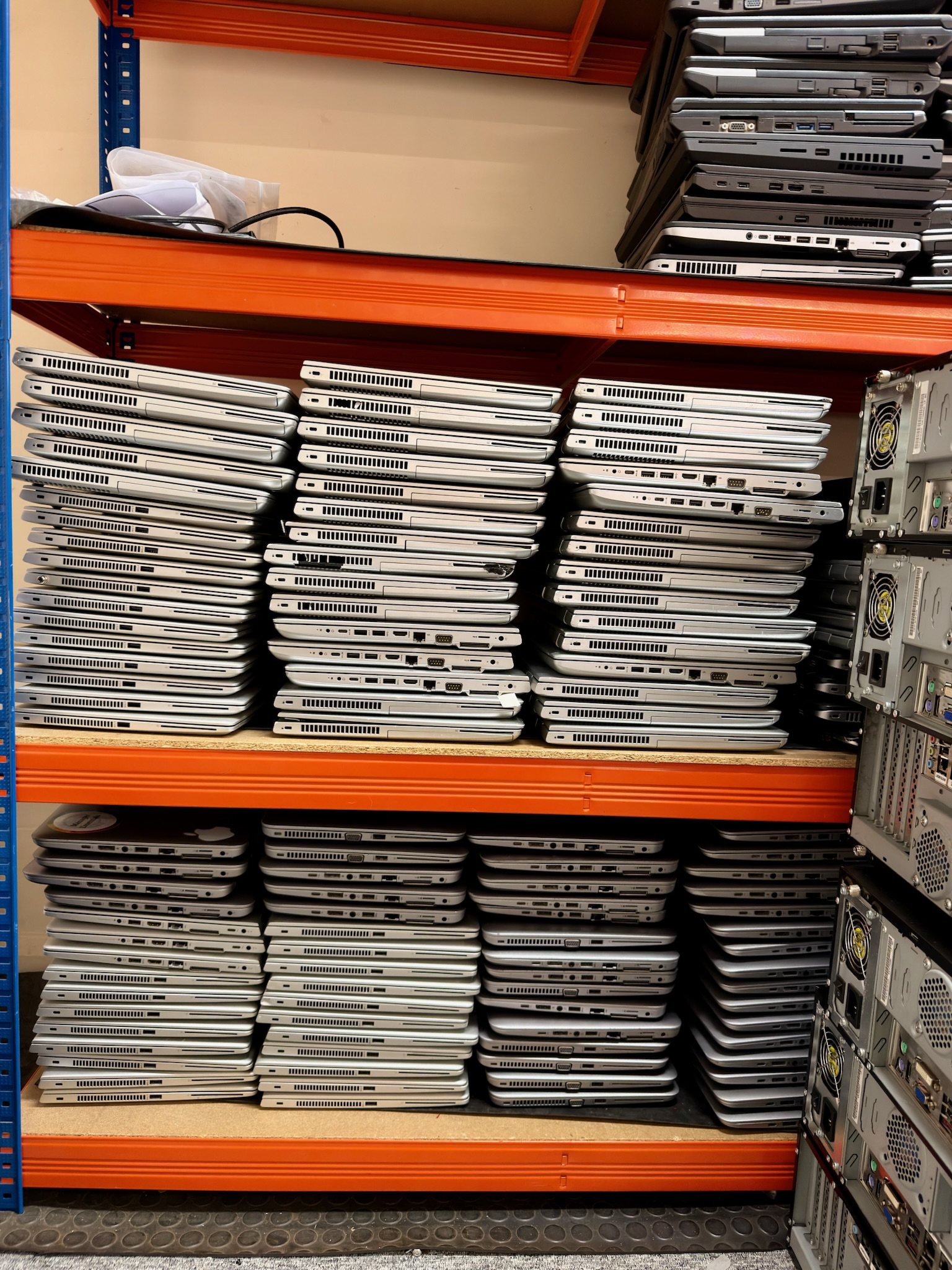
With the software and firmware restrictions lifted, our engineers moved the hardware into the repair stage. Devices were internally serviced, repaired, and thoroughly tested to salvage as many units as possible, successfully extending their operational life and fulfilling the client's green objectives.
Results
Security: 100% of sensitive corporate and medical data was irreversibly sanitised, verified, and certified.
Sustainability: By successfully unlocking and repairing the devices, the vast majority of the hardware was granted a second lifecycle, significantly reducing electronic waste.
Partnership: Seamless collaboration between TFix and the client's IT department transformed a potential total-loss scenario into a successful recovery operation.
Client Outcome
The medical equipment manufacturer achieved their strict data security requirements without compromising their environmental commitments. By working together to overcome the MDM and BIOS restrictions, the client ensured their redundant IT assets were sustainably repurposed rather than prematurely destroyed.
Services Delivered
- Secure WEEE Collection
- Certified Data Destruction (NIST 800-88r2)
- IT Asset Refurbishment & Repair
- Lifecycle Extension & Asset Recovery