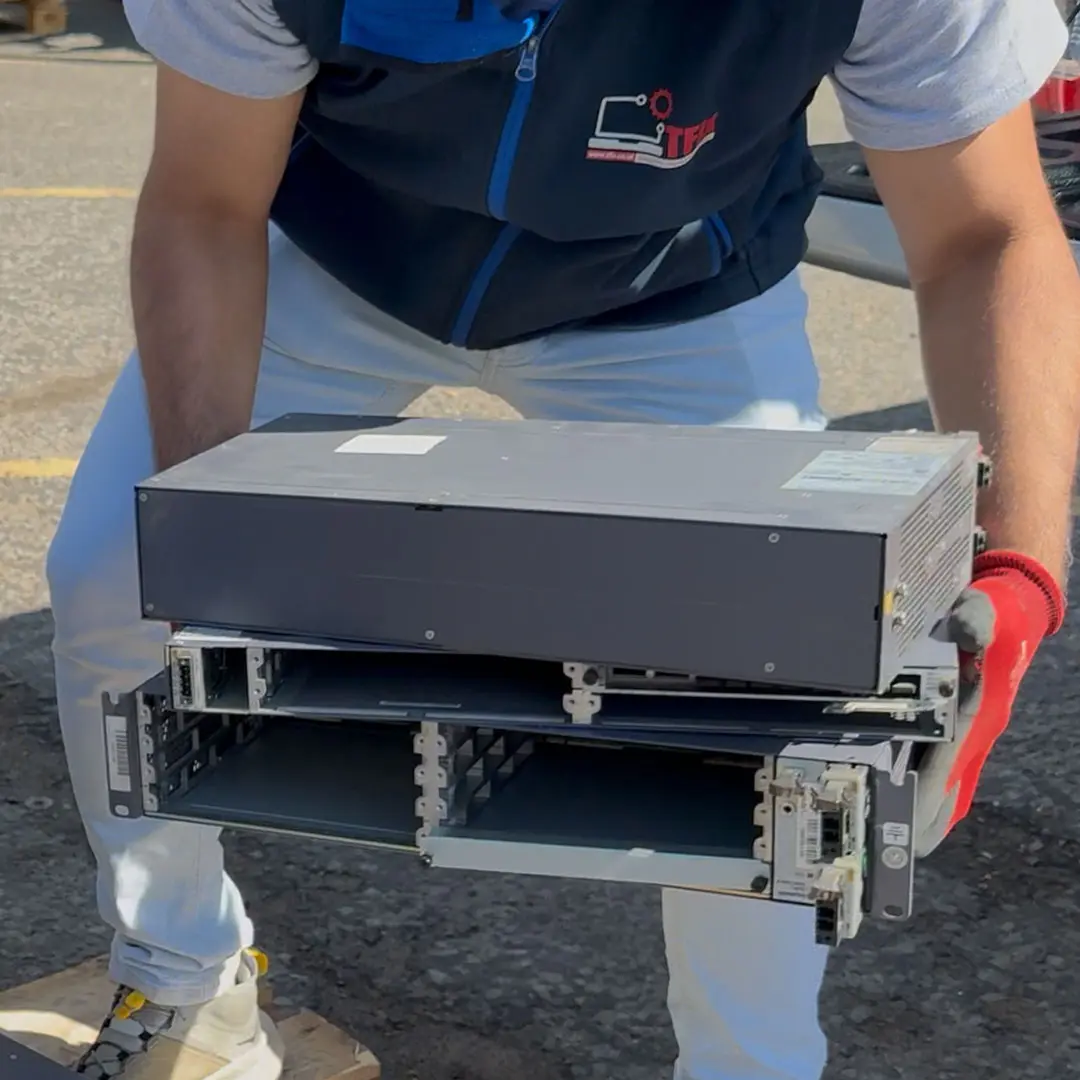
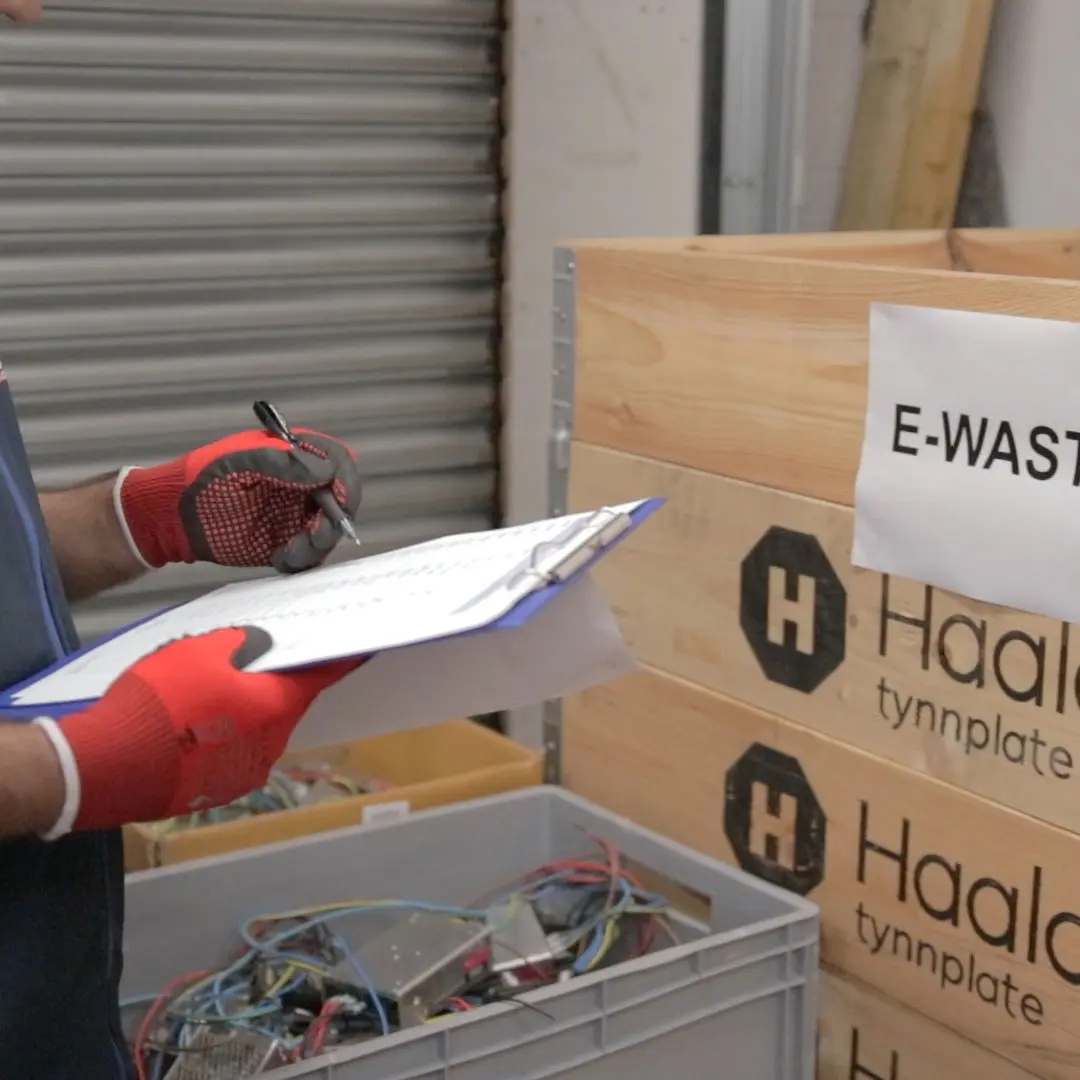
Certified & Irreversible Data Destruction
Secure Data Destruction You Can Prove
Controller-level secure erase (Purge), logical sanitisation (Clear), or certified physical destruction (Destroy) — aligned with NIST 800-88r2 and NCSC guidance.
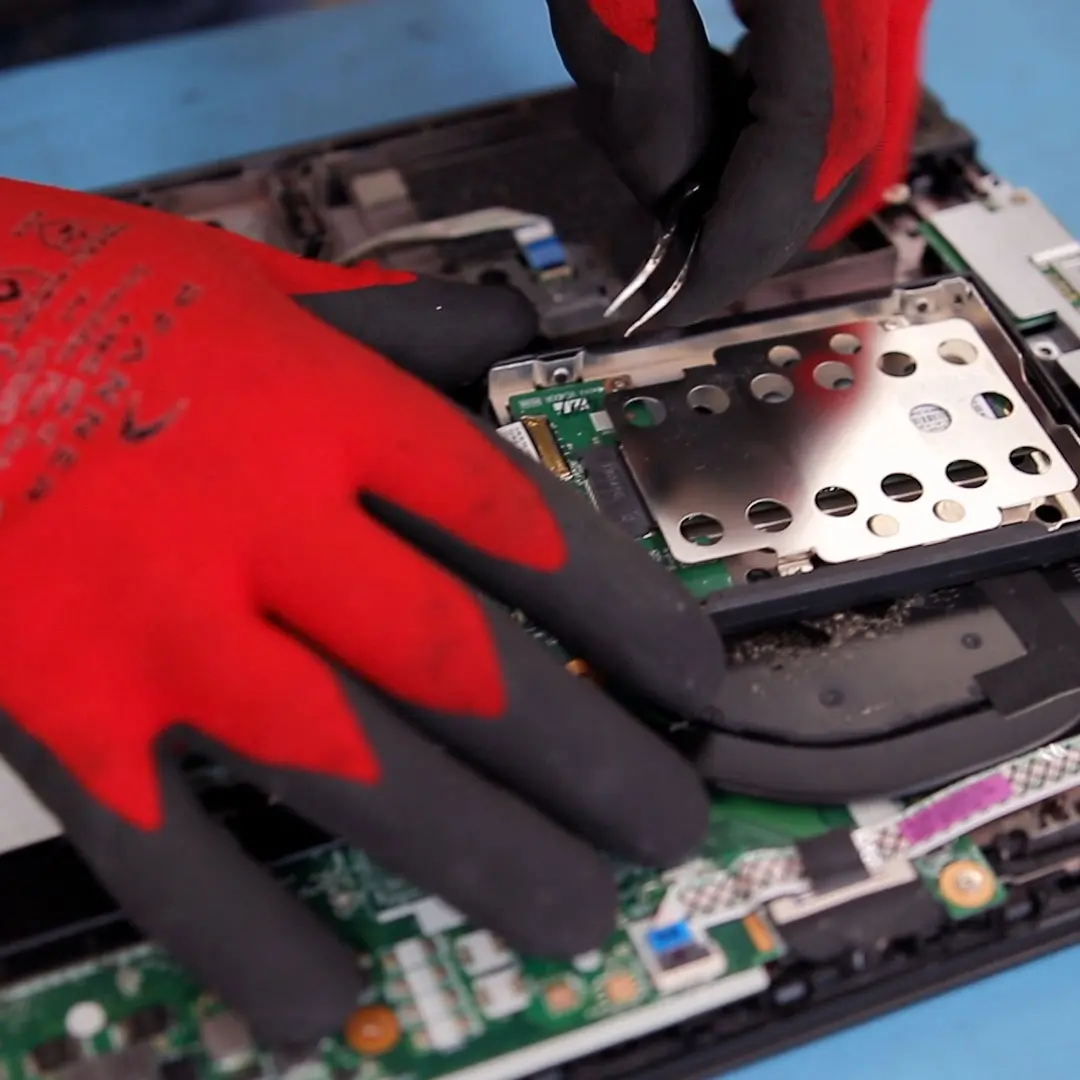
Controller-level secure erase (Purge), logical sanitisation (Clear), or certified physical destruction (Destroy) — aligned with NIST 800-88r2 and NCSC guidance.
Deleting or formatting isn’t enough—data can often be recovered using simple tools.
UK businesses lose on average £3M+ per breach from compromised end-of-life devices.
GDPR and sector-specific regulations demand verifiable, certified data destruction.
We apply secure, industry-recognised data sanitisation and destruction methods based on media capability, confidentiality requirements, and applicable regulatory standards. Every asset is processed under full chain-of-custody controls, with documented verification and individually serialised certification provided for audit purposes.
Manufacturer Factory Reset
Controller-Level Format
SSD Logical Overwrite (where appropriate)
Generates: Certificate of Data Sanitisation
NVMe Sanitize (Crypto / Block / Overwrite)
ATA Enhanced Secure Erase
HDD Logical Overwrite
Generates: Certificate of Data Destruction
Physical destruction to particle sizes consistent with DIN 66399 H-5 (HDD) and E-3 (SSD) where applicable.
Generates: Certificate of Physical Destruction
To validate erasure effectiveness, a representative sample of sanitised drives (typically 5%) is randomly selected and subjected to forensic recovery attempts. Any failure results in immediate containment and batch-level remediation.
All methods include full chain-of-custody tracking, serial-level reporting, and Certificates of Erasure or Destruction aligned with GDPR and ISO 27001 controls.
A capability-led process ensuring every asset is handled with NIST 800-88r2 precision, from initial intake to final certification.
Assets recorded for serial-level traceability.
Firmware & FTL analysis determines sanitisation method.
NIST 800-88r2 compliant erasure or physical destruction.
Forensic recovery on a 5% audit sample to validate success.
Serial-linked Certificate instantly accessible via your portal.
Meets GDPR and ISO 27001 standards. Reports archived for our 18-year business history.
We securely erase or physically destroy all common forms of digital media, ensuring nothing leaves your organisation recoverable.
Complete erasure or shredding of all spinning and solid-state drives.
Secure destruction of legacy LTO and DAT backup media.
Shredding and disposal of CDs, DVDs, and Blu-ray discs.
Certified erasure or destruction of smartphones and tablets.
Our data destruction services are designed to meet the strictest international and sector-specific standards. Every erasure or destruction process is fully documented and accompanied by a individually numbered, serial-linked certificate with secure archive retention.
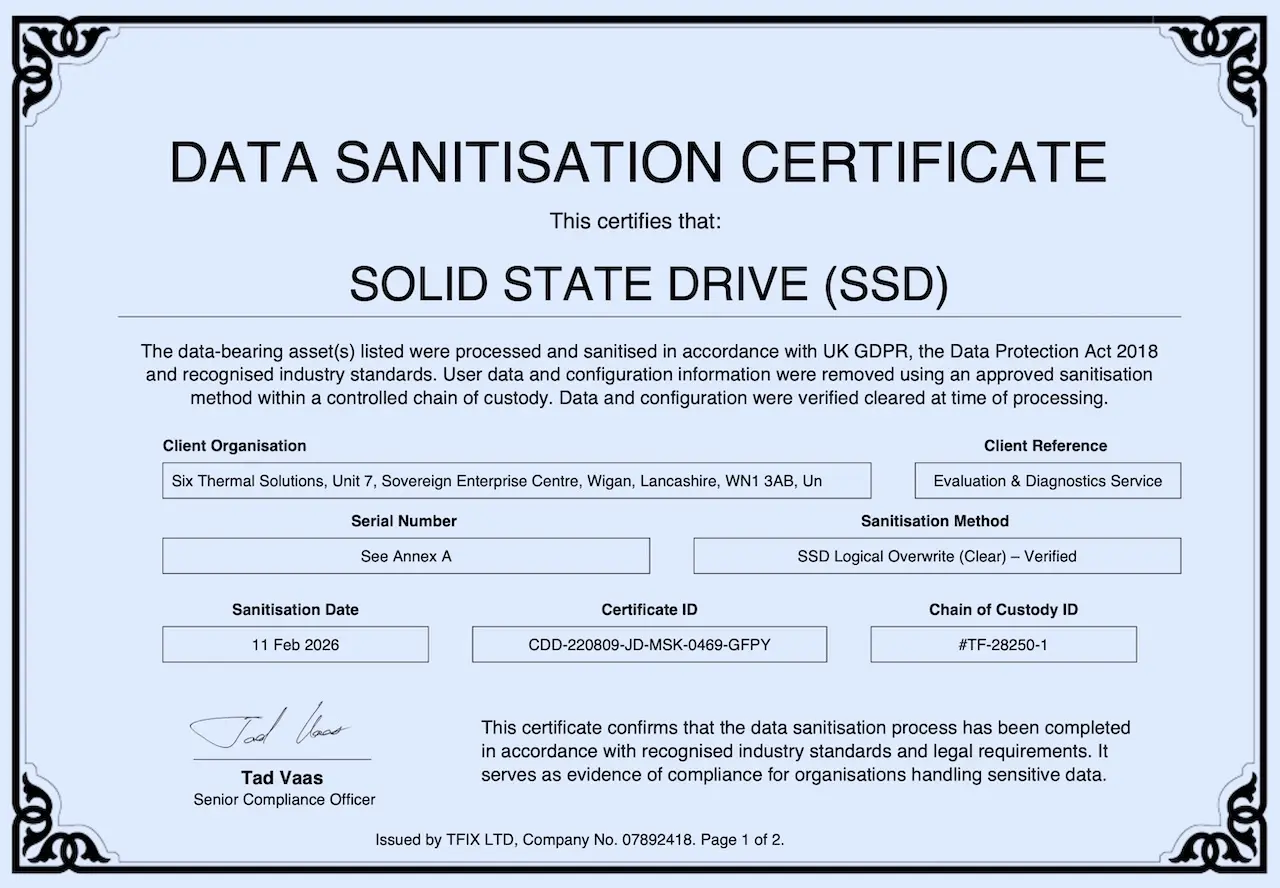
Flash-based solid-state drives cannot be reliably sanitised using simple overwriting. Peer-reviewed research (Wei et al., UCSD, 2011) confirms that SSDs retain digital remnants even after many overwrite passes due to controller behaviour and the internal architecture of flash memory.
To achieve a verifiable and auditor-acceptable outcome, SSD processing follows a capability-led workflow:
This multi-stage process is the foundation of TFix's SSD sanitisation workflow, ensuring GDPR-compliant, NIST 800-88r2 and NCSC Secure Sanitisation Guidance aligned, audit-ready data sanitisation for all flash-based media.
Key details about our secure data erasure and destruction services.
We securely erase or destroy HDDs, SSDs, backup tapes, optical media, servers, and mobile devices. Each method is selected based on the media type and compliance requirements.
Yes. Every erasure or destruction job is fully documented and supported by a individually numbered, serial-linked Certificate of Sanitisation or Certificate of Destruction, suitable for GDPR and ISO 27001 audit requirements.
Depending on the device type and compliance requirements, we apply firmware-level sanitisation, controlled and verified software overwrite where appropriate, or physical destruction. All outcomes are fully documented and verifiable.
If a device cannot be successfully sanitised or verified, it is diverted to controlled physical destruction. This guarantees permanent data elimination and full compliance with GDPR and NIST 800-88r2.
Sanitisation (Clear) removes data for commercial reuse. Purge or Physical Destruction is recommended for regulated environments and generates a Certificate of Destruction.
SSDs are processed using a capability-led workflow. Where supported, controller-level purge (NVMe Sanitize or ATA Secure Erase) is used. Where purge is unavailable and permitted by policy, controlled logical sanitisation may be applied with verification checks. Devices that cannot be reliably sanitised are physically destroyed.
Thanks to our proprietary in-house automation, we no longer charge a premium for SSDs.
One low rate for all loose drive types.
For loose HDDs, SSDs, and Tapes.
Volume discount for loose media.
We’ll confirm media type, compliance requirements, and processing method before scheduling.