The Future of E-Waste Regulations: What’s Next for WEEE?
Electronic waste is one of the fastest-growing waste streams in the world. As technology advances, more devices become obsolete, generating significant volumes of discarded equipme...

Electronic waste is one of the fastest-growing waste streams in the world. As technology advances, more devices become obsolete, generating significant volumes of discarded equipment. Across Europe and globally, regulators are moving to tighten rules around how e-waste is managed and recycled. Understanding what lies ahead is crucial for any business dealing with electronic products.
Here is an overview of what to expect from future e-waste regulations—and how these changes could affect business operations.
What is WEEE?
WEEE stands for Waste Electrical and Electronic Equipment. The WEEE Directive is European legislation aimed at reducing the environmental impact of discarded electronics. It sets rules for collecting, recycling, and properly disposing of electronic products rather than sending them to landfill or allowing hazardous substances to leak into the environment.
Businesses that manufacture, import, or sell electronic equipment are responsible for financing collection and recycling systems. They must also report how much equipment they place on the market and meet specific recycling targets.
However, the landscape of electronics is changing rapidly. New devices, complex designs, and growing consumer demand mean regulations need to evolve to keep pace.
Stricter Recycling Targets
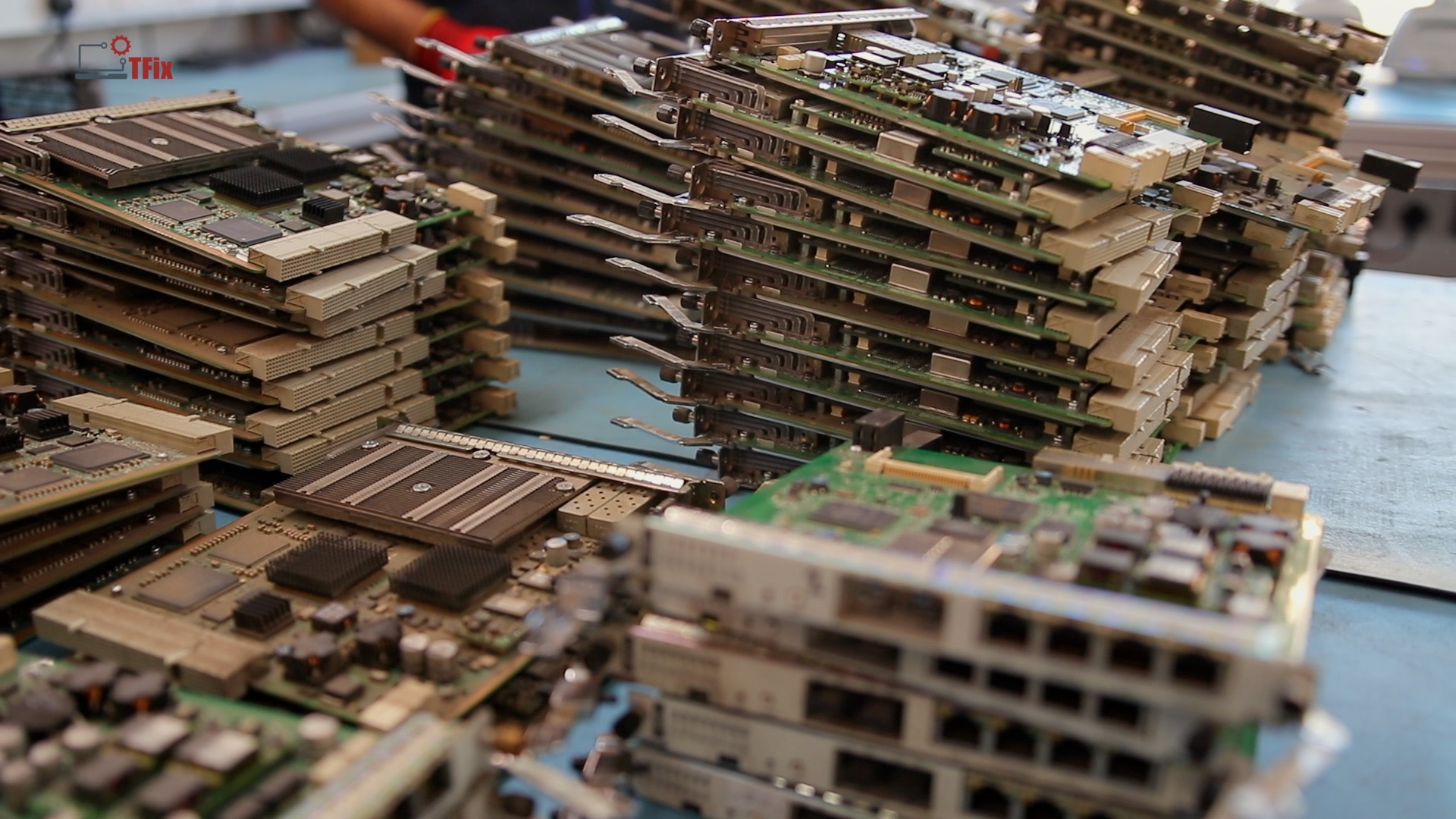
One key area of focus for future regulations is higher recycling targets. The European Union is expected to introduce more ambitious recovery goals for various categories of electronic waste. This could include higher requirements for recovering valuable raw materials like rare earth metals, essential for modern technology.
Businesses involved in recycling and producers of electronic goods will likely need to improve processes to extract more resources from used equipment and reduce waste sent for disposal.
Broader Product Scope
The types of products covered under WEEE regulations are likely to expand. Future updates may bring more smart devices, gadgets with embedded batteries, and connected products under regulatory control. As devices become increasingly integrated into daily life, regulators aim to ensure proper end-of-life management for all electronic items, regardless of size or function.
This expansion means more businesses could find themselves subject to compliance obligations, even those who previously fell outside the scope of WEEE.
Emphasis on Reuse and Repair
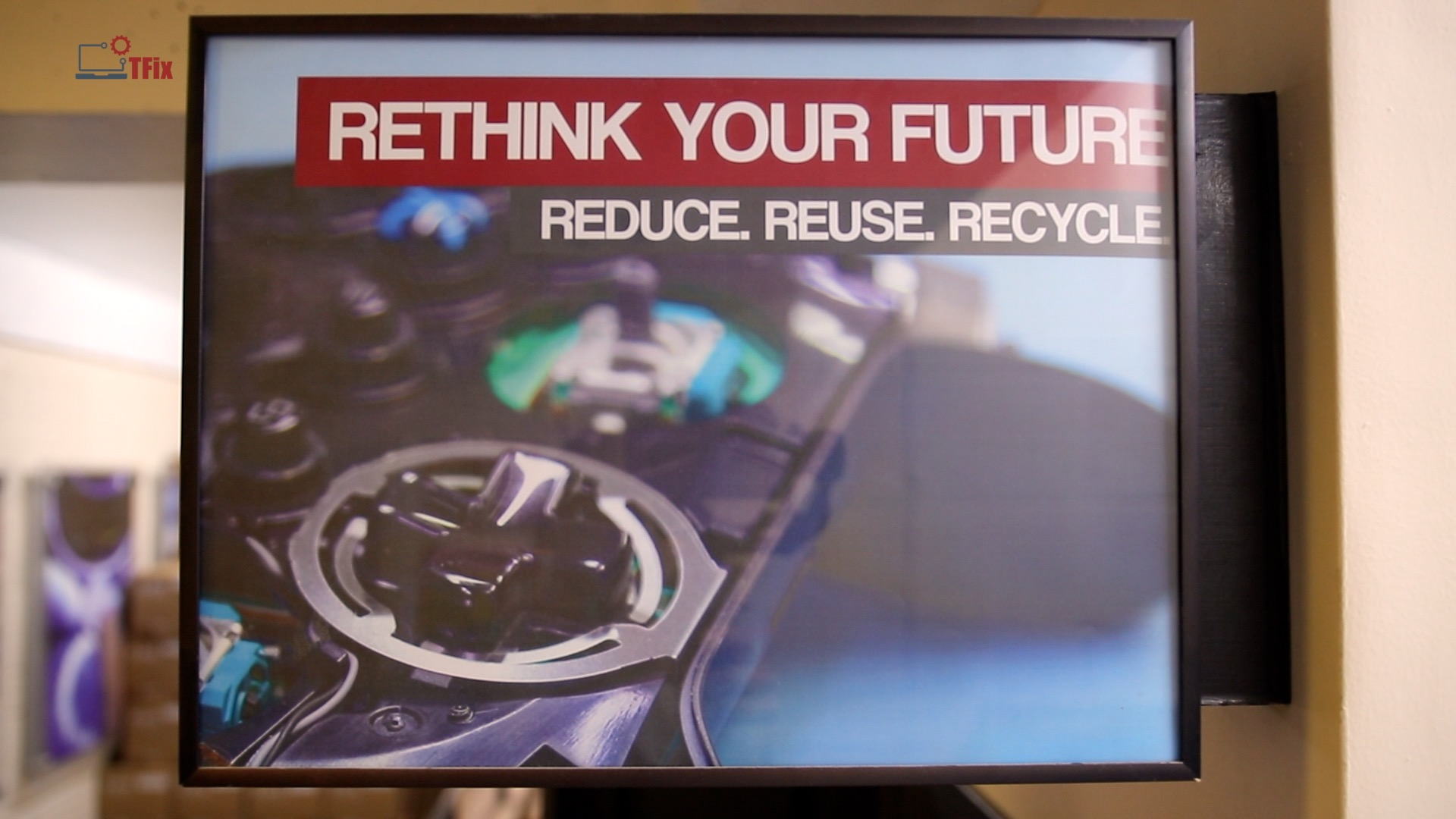
Regulators are shifting from focusing purely on recycling to emphasising reuse and repair. Extending the lifespan of electronic products is seen as a critical step in reducing waste and conserving resources.
Upcoming legislation may require manufacturers to:
-
Provide better access to spare parts and repair manuals
-
Design products that are easier to dismantle and repair
-
Support refurbishment initiatives rather than discarding devices outright
This change encourages a circular economy model, where products remain in use longer before being recycled.
Digital Product Passports
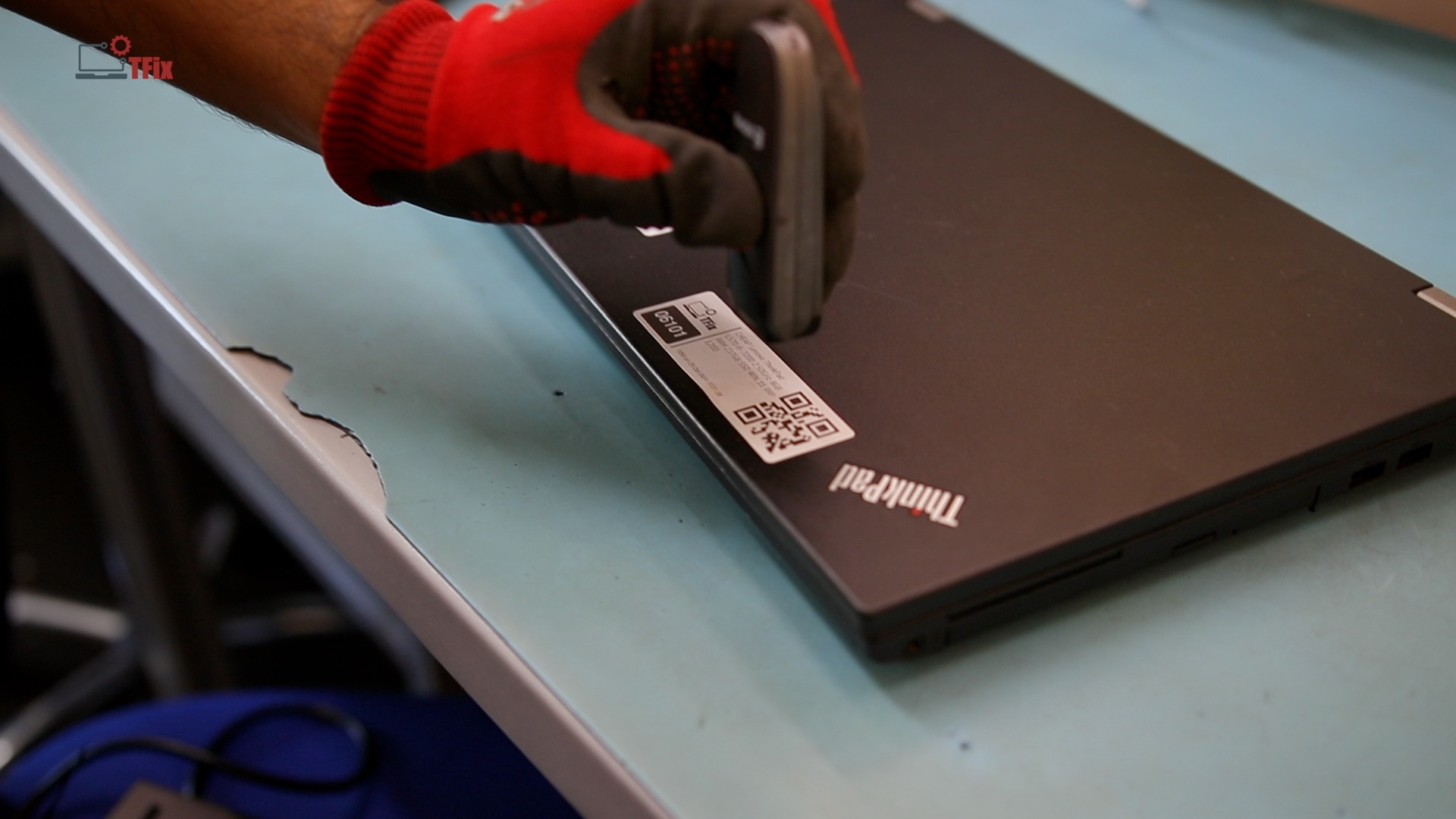
One significant innovation on the horizon is the introduction of digital product passports. These digital records would store key information about a product, such as:
-
Materials used in manufacturing
-
Repair history
-
Recycling and disposal instructions
Digital product passports would make it easier for recyclers and businesses to handle products responsibly at end of life. If this becomes mandatory, manufacturers will need systems to track and share detailed data for each product they produce or sell.
Greater Producer Responsibility
Future regulations may also push for stronger producer responsibility. This could involve:
-
Higher fees for products that are difficult to recycle or have a shorter lifespan
-
Incentives for eco-design, promoting products that are energy-efficient, durable, and easier to recycle
Such measures aim to shift more responsibility for environmental impacts onto those who design and produce electronic equipment.
Global Impact
Although many changes start in Europe, the global influence of WEEE regulations is significant. Countries in Asia, North America, and Africa increasingly look to the European framework when developing their own e-waste laws. Businesses that operate internationally should stay informed about evolving standards across all markets where they trade.
Why It Matters
E-waste regulations are becoming more demanding because the stakes are high. Electronics contain valuable resources, but they also hold hazardous materials that can harm the environment if not managed properly. Beyond environmental concerns, regulatory compliance protects brand reputation and demonstrates a commitment to sustainability, something customers and investors increasingly expect.
Preparing for Change
WEEE regulations are evolving rapidly. Stricter recycling targets, broader product scopes, an emphasis on repair and reuse, digital product passports, and higher producer responsibility are all shaping the future of e-waste management.
Businesses involved in the electronics sector should start preparing now to remain compliant and competitive in a market increasingly driven by environmental responsibility.