How Your Business Can Reduce Its E-Waste Footprint
Electronic waste is growing faster than any other waste stream on the planet. Discarded computers, servers, mobile phones, and other devices often end up in landfills or shipped ab...

Electronic waste is growing faster than any other waste stream on the planet. Discarded computers, servers, mobile phones, and other devices often end up in landfills or shipped abroad for unsafe recycling. This practice harms the environment, wastes valuable resources, and exposes communities to hazardous materials.
Businesses, however, have real power to change this. By making strategic choices, companies can cut down on e-waste, save costs, and improve sustainability credentials. Here’s how your business can reduce its e-waste footprint.
Buy Smarter, Not Just Cheaper
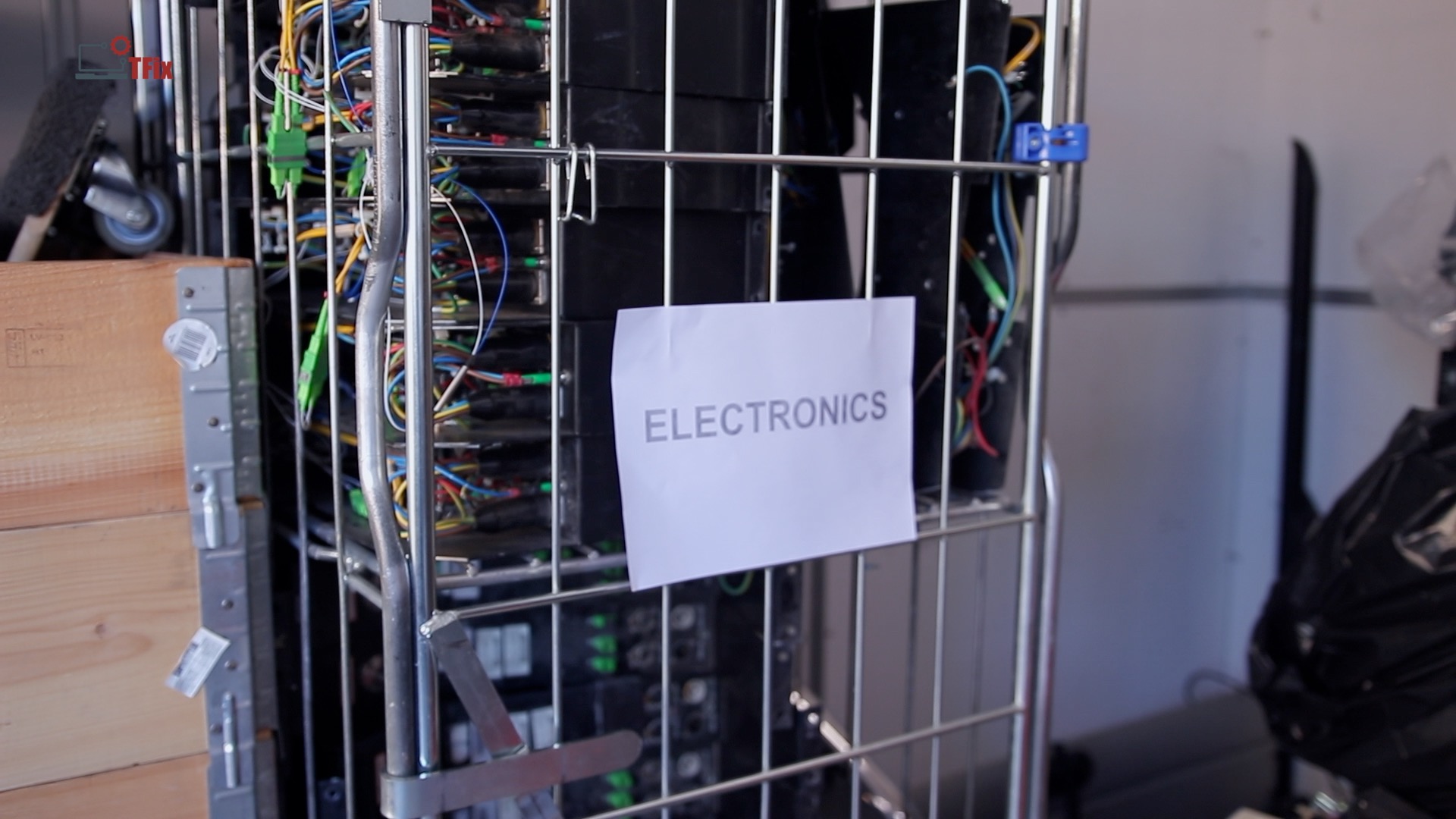
One of the biggest drivers of e-waste is how businesses buy electronics. Many organizations replace devices frequently, even when older equipment still works. Instead, focus on purchasing products built for longevity.
-
Look for durable devices with good build quality and robust components.
-
Check for repairability. Seek products where parts like batteries, screens, and storage can be replaced instead of discarding the entire device.
-
Consider extended warranties and support programs that help keep equipment in use longer.
Choosing quality over the lowest price can reduce how often replacements are needed, saving money and cutting e-waste over time.
Extend the Life of Equipment
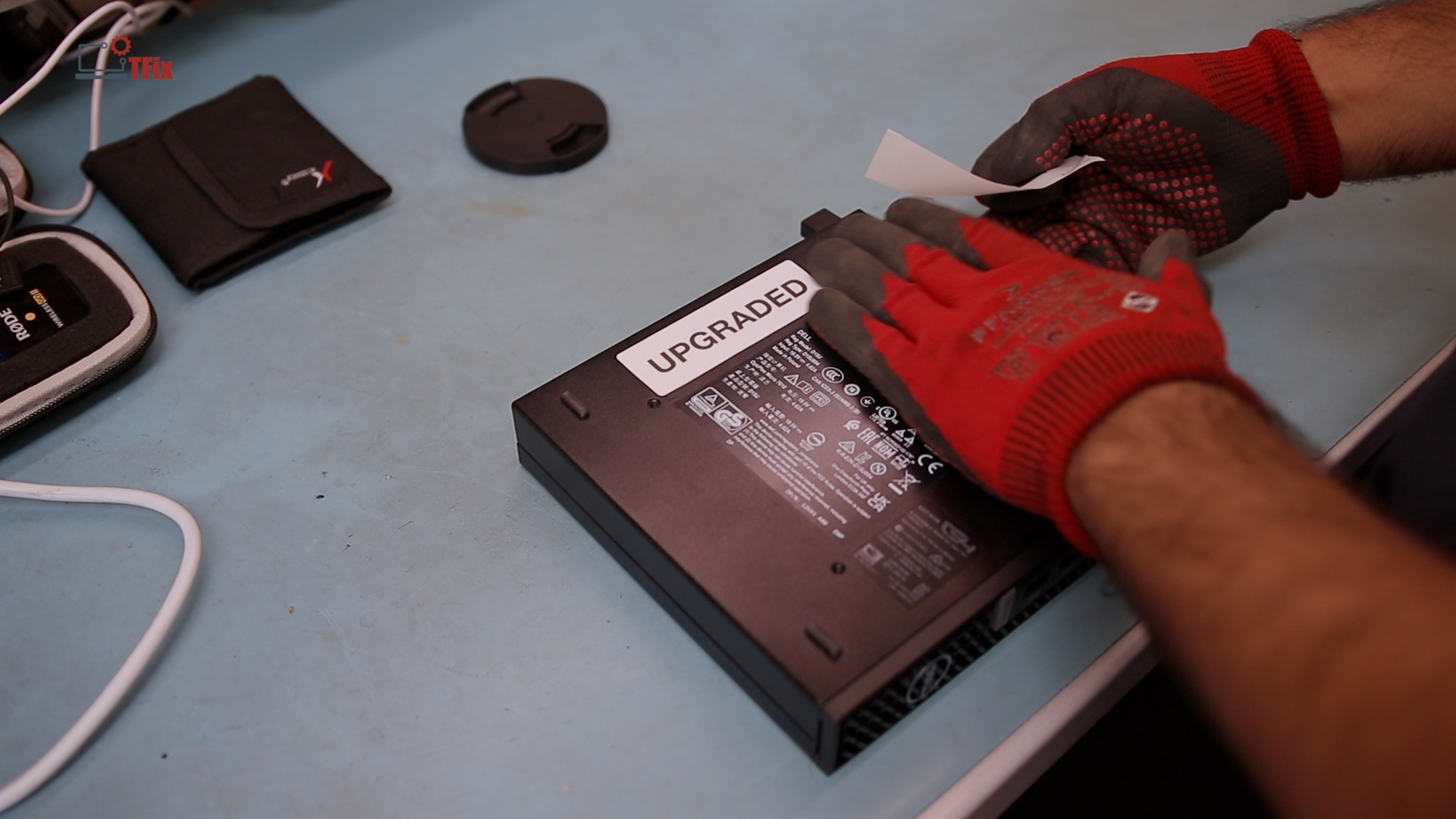
Before deciding to replace devices, explore ways to extend their useful life.
-
Upgrade hardware. Adding more memory, faster drives, or updated graphics cards can give older computers a new lease on life.
-
Maintain regularly. Keep devices clean and protected from dust, heat, and moisture. Simple maintenance extends equipment lifespan.
-
Update software. Modern operating systems and apps often run efficiently on older hardware if properly maintained.
Extending the life of equipment not only reduces waste but also minimizes capital expenses.
Reuse and Redeploy Internally

Not every role in a business needs the latest technology. Instead of discarding older devices, look for ways to redeploy them internally:
-
Assign older machines to less demanding tasks, such as data entry, training, or administrative duties.
-
Create a pool of refurbished equipment for temporary or short-term projects.
-
Keep spare devices available for emergencies to reduce rush purchasing of new equipment.
Creative redeployment keeps hardware in use and reduces wasteful disposal.
Work with Certified Recyclers
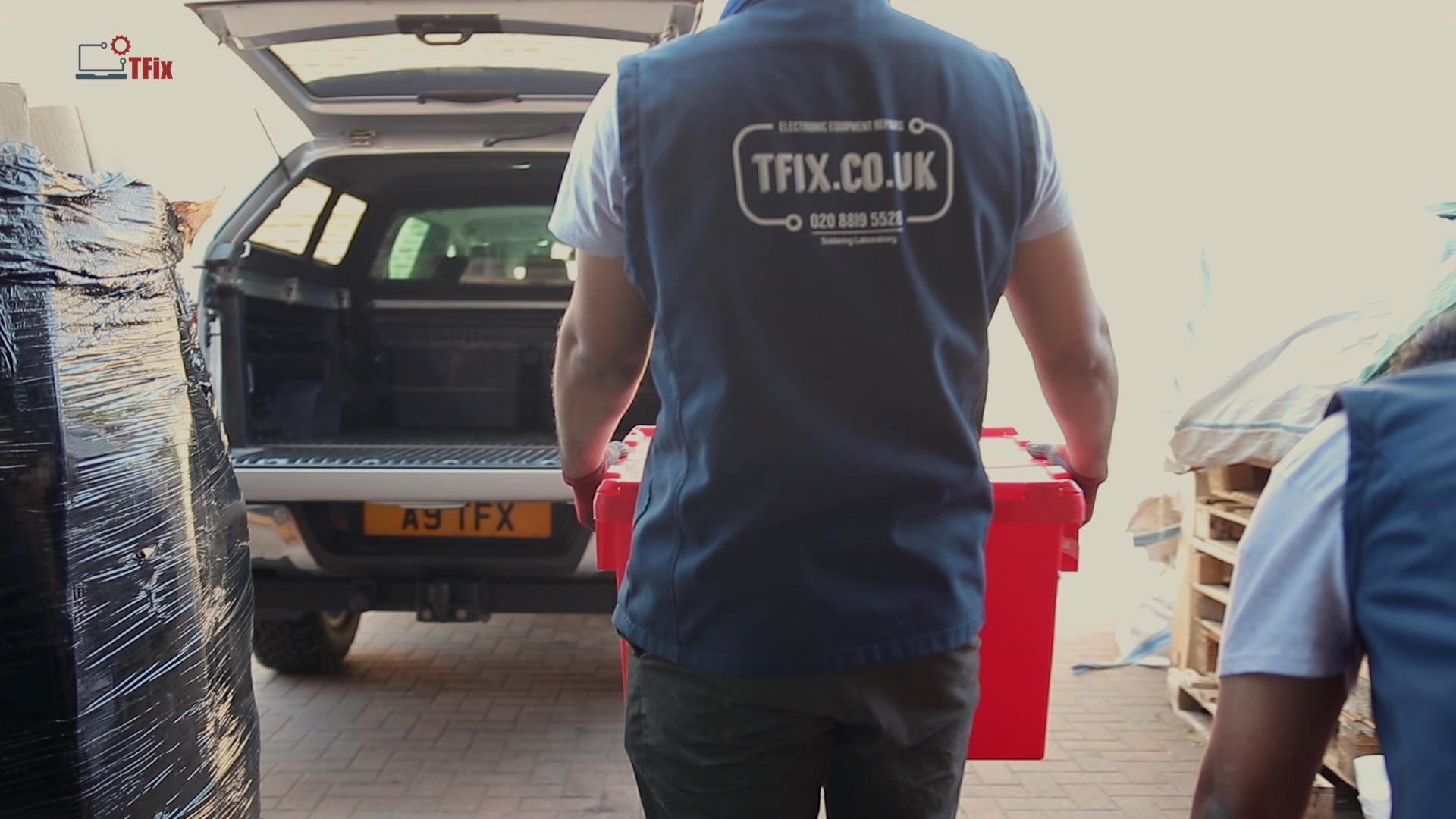
Eventually, every device reaches the end of its life. When that time comes, partner only with certified e-waste recyclers.
-
Verify credentials. Reputable recyclers will hold certifications proving they handle e-waste safely and responsibly.
-
Ensure data security. Certified recyclers offer secure data destruction services, protecting sensitive business information.
-
Check traceability. Responsible recyclers track materials to ensure they are processed properly rather than shipped to unsafe facilities abroad.
Proper recycling recovers valuable materials such as copper, gold, and rare earth metals, reducing the need for virgin mining.
Educate Your Team and Set Policies
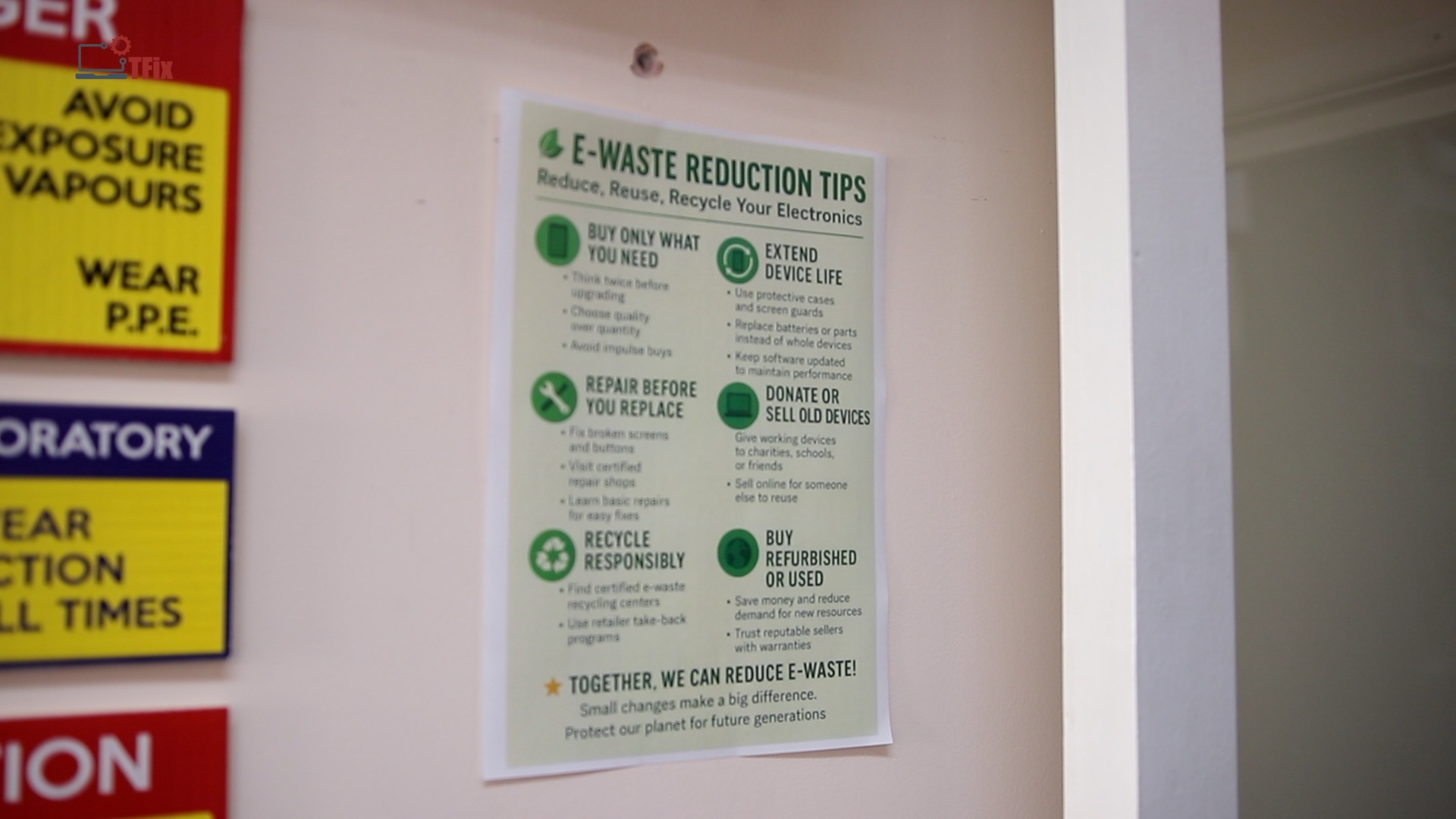
Reducing e-waste is not just about technology—it is about company culture. Employees often make purchasing and disposal decisions daily.
-
Provide training about the environmental impact of e-waste and the importance of sustainability.
-
Create clear policies detailing how and when devices should be replaced, redeployed, or recycled.
-
Display reminders in offices to encourage responsible technology use.
When the entire team understands the mission, reducing e-waste becomes part of everyday business practices.
Track and Measure Your E-Waste Footprint
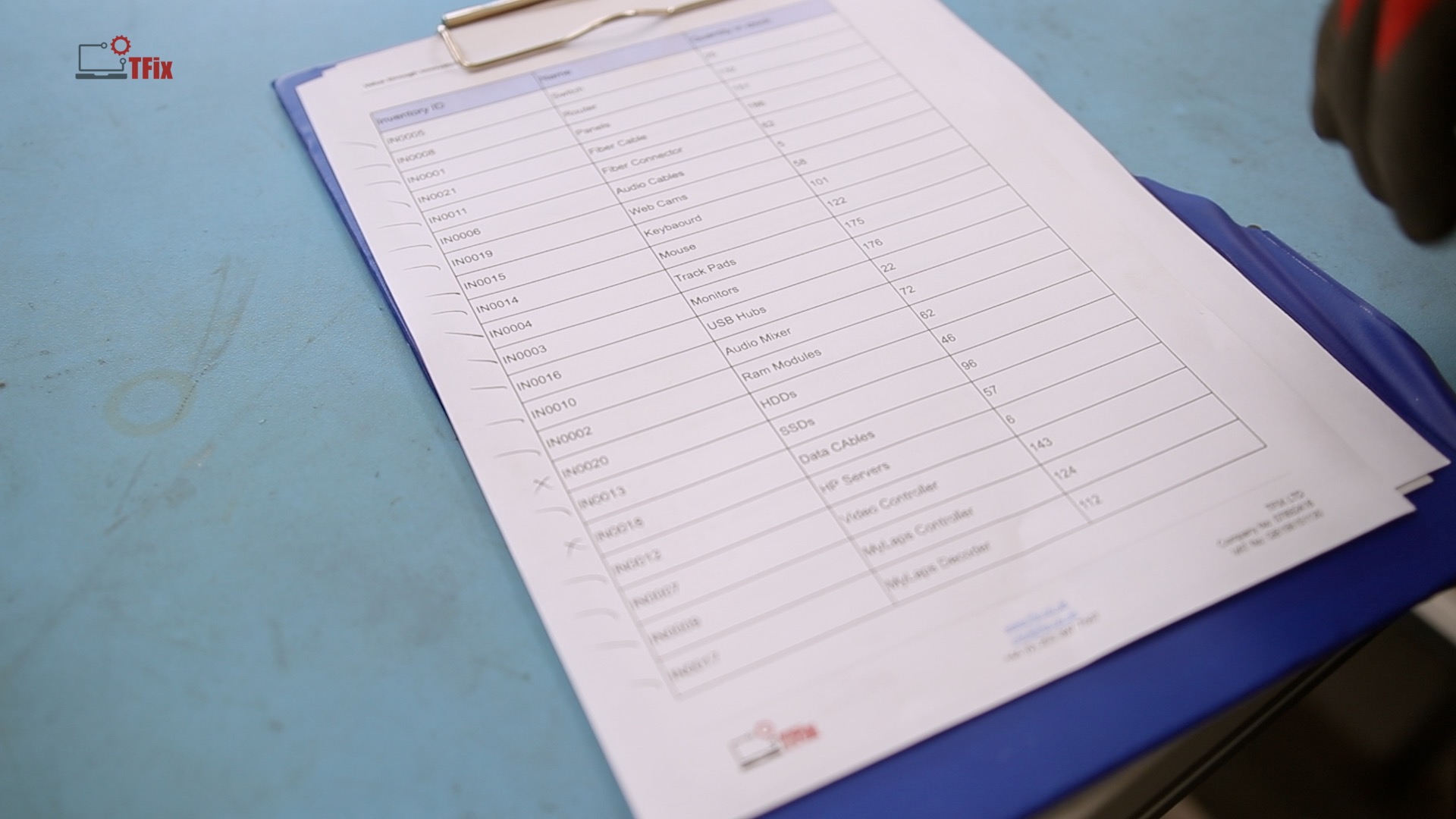
What gets measured, gets managed. To improve, businesses should track e-waste metrics:
-
Maintain records of how many devices are purchased, redeployed, and recycled.
-
Track the average lifespan of equipment.
-
Monitor costs associated with new purchases versus refurbishments or upgrades.
These records help businesses identify areas for improvement and provide valuable data for sustainability reporting, which is increasingly important to customers, partners, and investors.
The Bottom Line
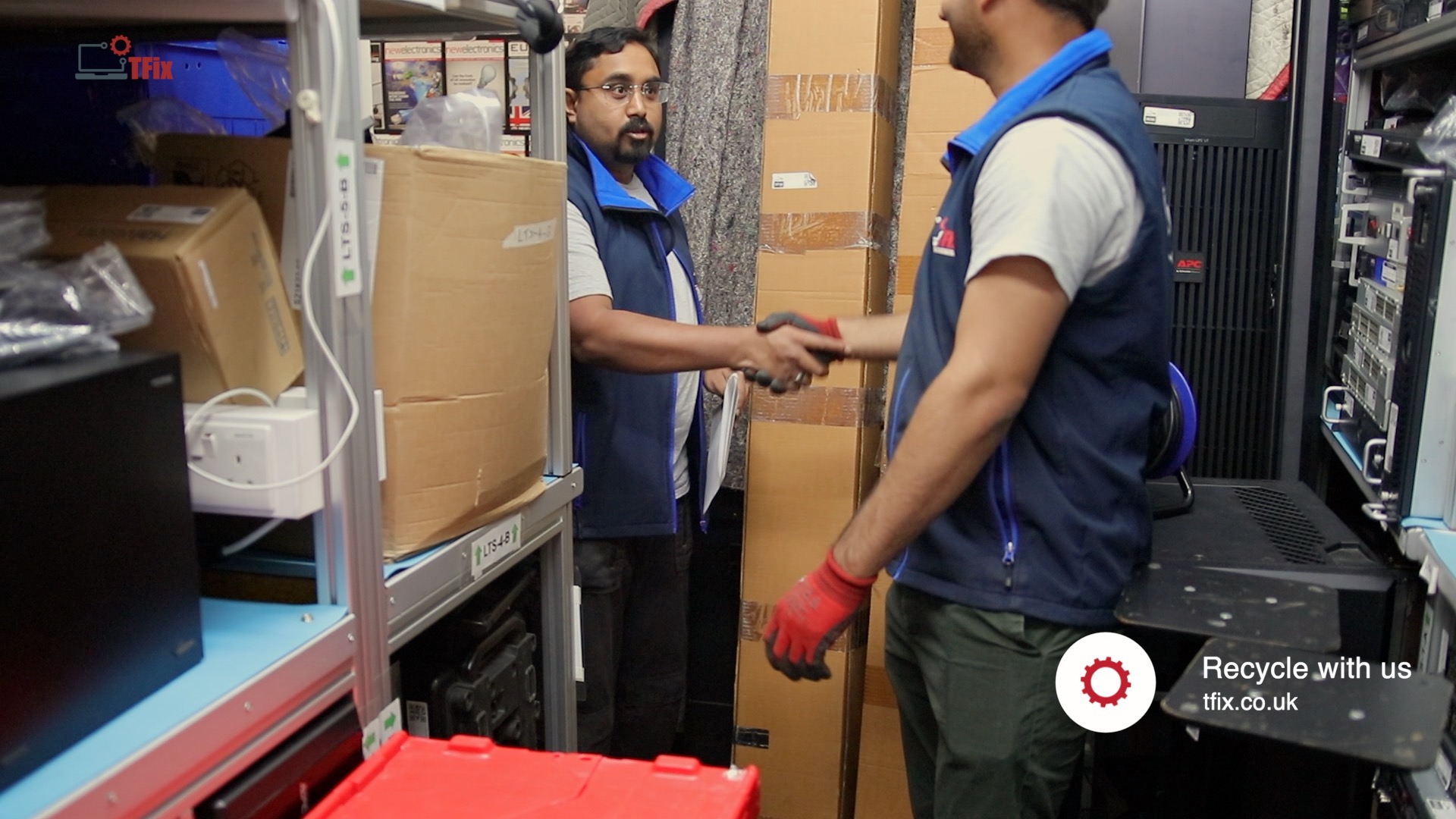
Reducing e-waste is an achievable goal for businesses of any size. By buying smarter, extending device life, redeploying equipment, partnering with responsible recyclers, educating teams, and measuring results, companies can lower their environmental footprint and save significant costs.
E-waste is not just a technical issue—it is a business opportunity to operate more sustainably and protect our planet for future generations.