How to Stop Lithium Battery Fires During Transport
Lithium batteries power almost every modern device, from mobile phones and laptops to e-bikes and energy storage systems. But when it comes to moving them as waste, they are not or...

Lithium batteries power almost every modern device, from mobile phones and laptops to e-bikes and energy storage systems. But when it comes to moving them as waste, they are not ordinary cargo. Transporting lithium batteries without following the correct procedures can lead to fires, explosions, and serious legal consequences.
In this article, we explain why lithium batteries are risky to transport, what the law requires, and how businesses can handle them safely and compliantly.
Why Lithium Batteries Are a Risk
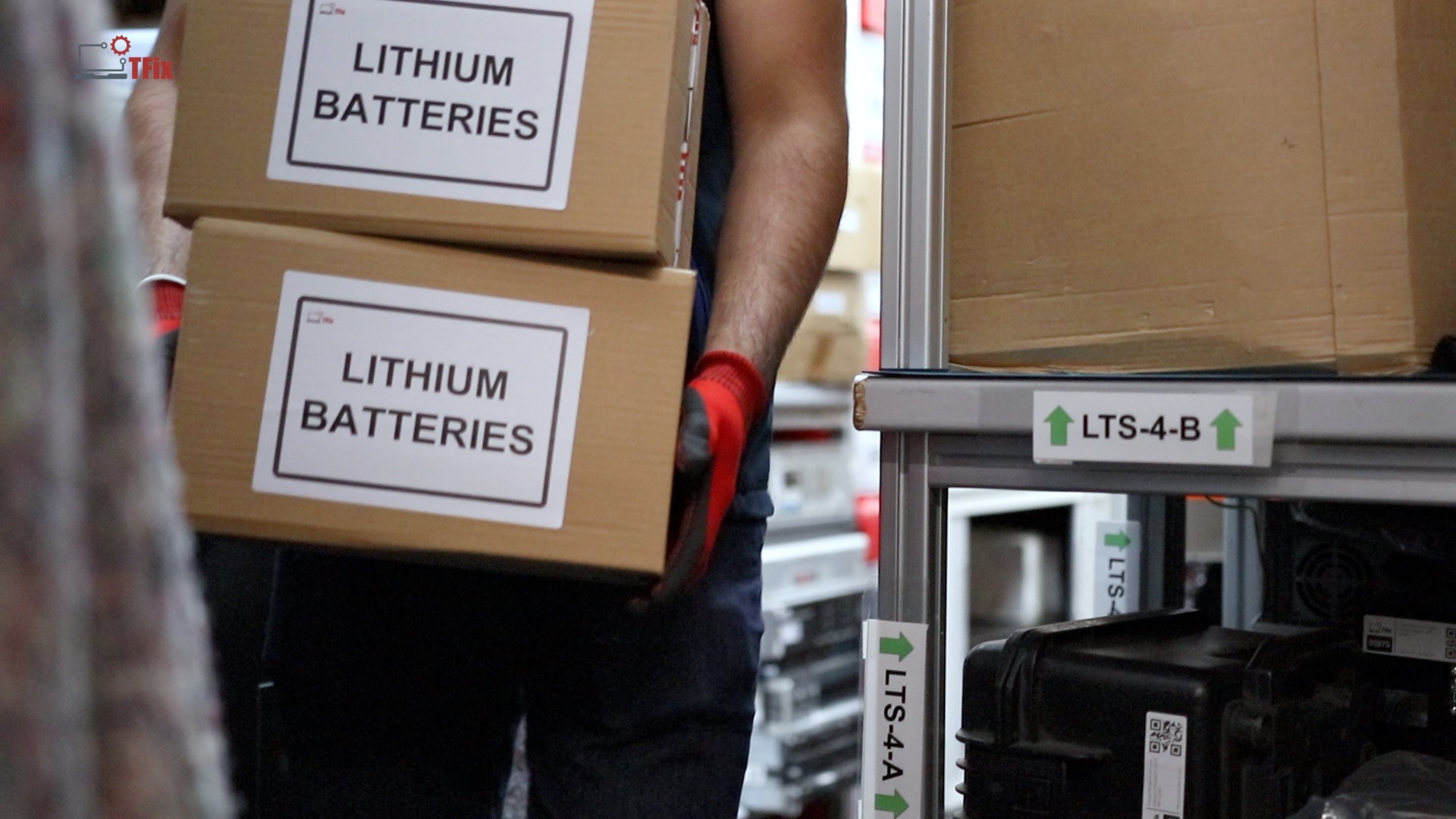
Lithium batteries store large amounts of energy in a compact form. When they are damaged, crushed, overheated, or short-circuited, that energy can be released violently. Fires caused by lithium batteries spread quickly, are extremely difficult to extinguish, and can put staff, vehicles, and facilities in danger.
This is why lithium batteries are classified as dangerous goods. Moving them safely requires specific rules and controls.
Legal Framework in the UK
If your business transports waste, including lithium batteries, you must hold an upper tier waste carrier licence. But that licence alone is not enough.
Lithium batteries are regulated under ADR (European Agreement concerning the International Carriage of Dangerous Goods by Road). ADR sets strict requirements for packaging, labelling, documentation, driver training, and vehicle equipment.
Failing to comply can lead to fines, prosecution, and invalidated insurance if an incident occurs.
How to Package Lithium Batteries
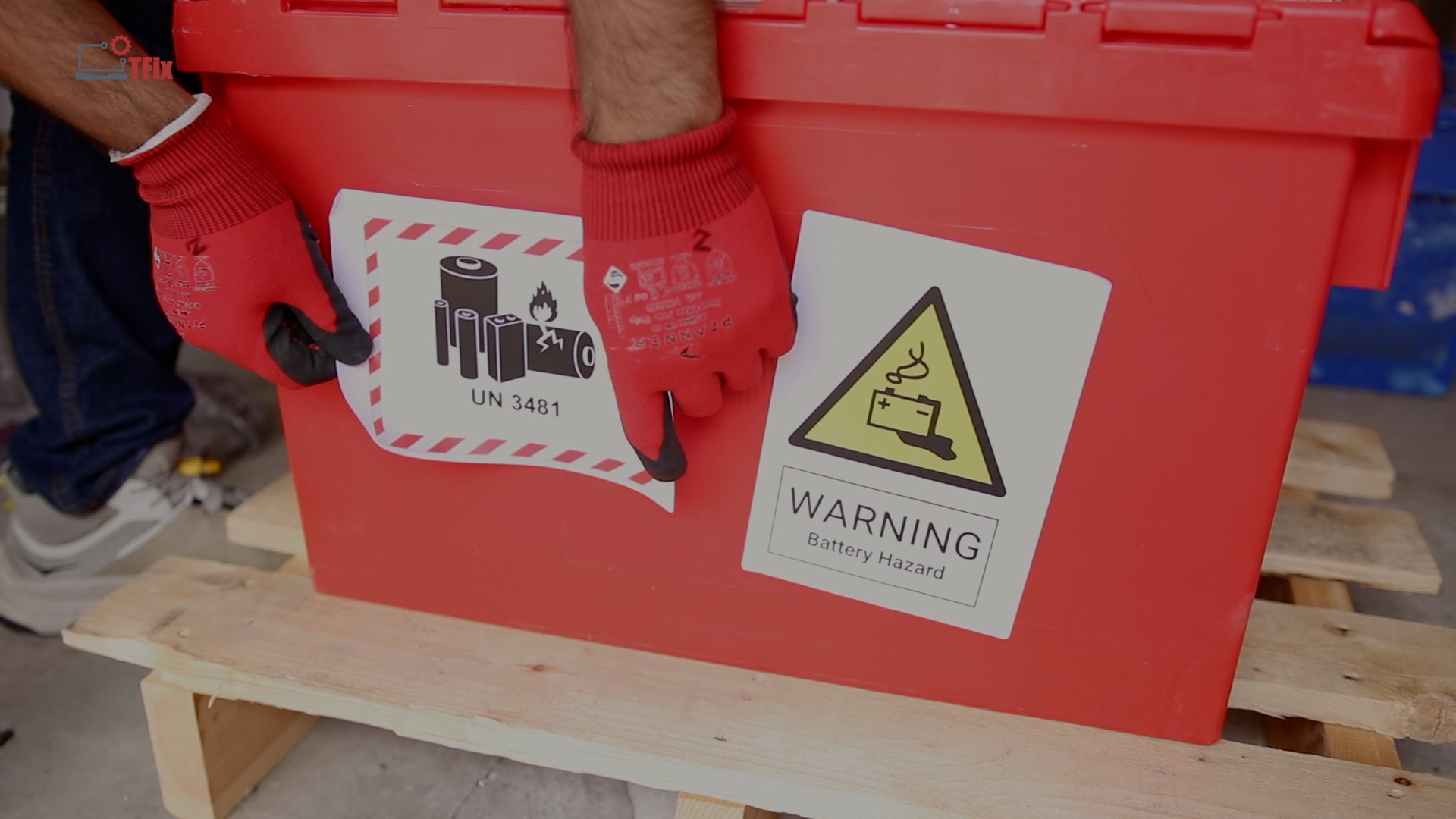
The first step is classification. Lithium-ion batteries are identified as UN3480 if shipped on their own, or UN3481 if contained in or packed with equipment. Lithium-metal batteries are identified as UN3090 on their own, or UN3091 if packed with equipment.
Packaging must be UN-approved and designed for dangerous goods. Battery terminals should be covered with tape or protective caps, and cells must be cushioned to prevent movement. If multiple packages are combined, they must go inside an overpack.
Damaged or swollen batteries cannot be shipped in normal boxes. They require special containers and stricter handling.
Labelling and Paperwork
Every package must carry the lithium battery mark with the correct UN number. Larger shipments also require the Class 9 hazard label.
Transport documents must include:
-
The UN code and shipping name
-
Number of packages and total weight
-
An emergency contact number
This paperwork is not optional. It ensures traceability, compliance, and protection in case of inspection or incident.
Vehicles and Drivers
For small shipments, limited quantity rules may apply, reducing the requirements. However, once those thresholds are exceeded, drivers must be ADR-trained.
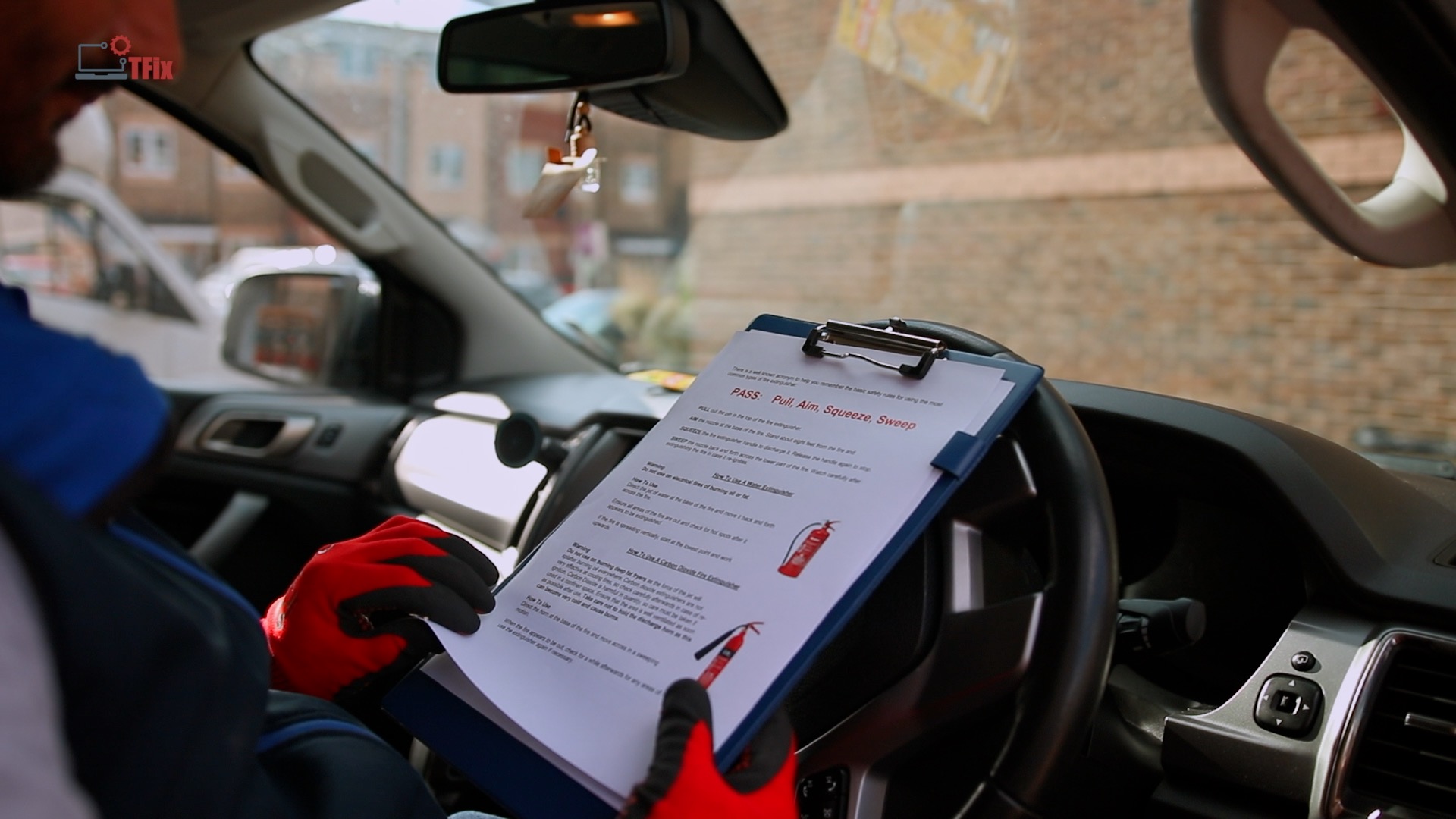
Vehicles must carry the correct fire extinguishers, and drivers must have written emergency instructions in the cab. These measures are designed to keep both staff and the public safe.
Storage Before Transport

On-site storage is equally important. Batteries should be kept in fireproof cabinets, metal containers, or sand-filled drums. They must be separated from flammable materials and heat sources. Damaged batteries should always be segregated from intact ones.
Final Thoughts
Lithium batteries are essential, but they demand respect. Treating them as ordinary waste is a mistake that can cause serious safety hazards and legal problems. By following ADR rules for packaging, labelling, documentation, and transport, businesses can move lithium batteries safely and responsibly.
Safe transport is not just about compliance. It protects your team, your assets, and the communities you operate in.