Goodbye Waste Carriers, Hello Permits: The Big DEFRA Shake-Up
The waste industry in England is facing one of the biggest regulatory shifts in years. DEFRA has confirmed that the long-standing waste carrier, broker, and dealer registration sys...

The waste industry in England is facing one of the biggest regulatory shifts in years. DEFRA has confirmed that the long-standing waste carrier, broker, and dealer registration system will be scrapped. In its place, a new environmental permit regime will be introduced.
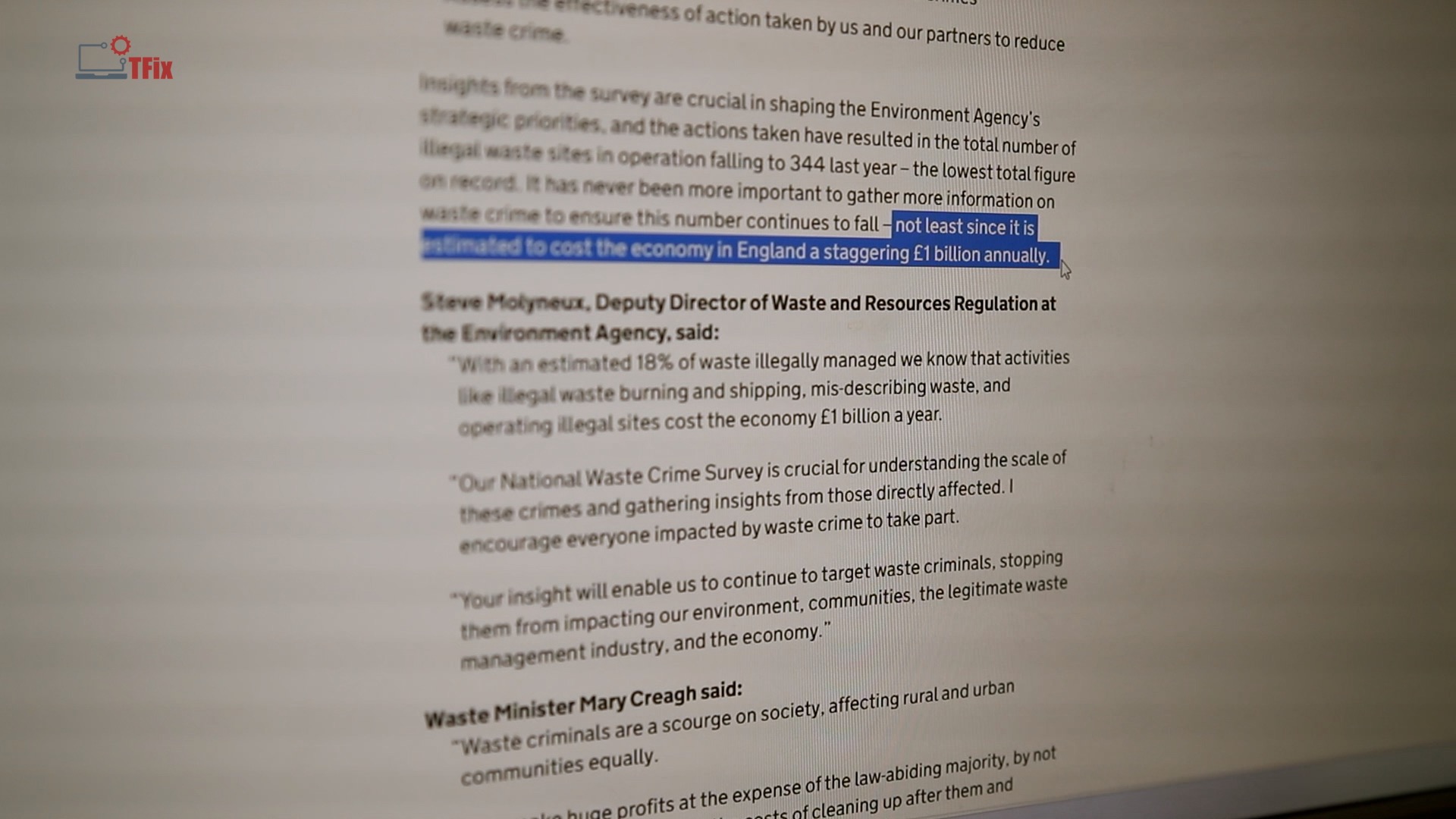
This move is designed to tackle the growing problem of waste crime, which costs the economy over £1 billion every year and undermines legitimate operators.
Why Change Was Needed
The old system made it too easy for rogue traders to operate. Lifetime registrations allowed some businesses to keep trading without oversight, while paper documentation was open to abuse. Hazardous waste could be passed off as ordinary rubbish, leaving councils with expensive clean-up bills. Recent surveys suggest that up to 20 percent of waste in England is handled illegally.
What Will Replace It
Under the new framework, every operator will need an environmental permit. There will be three clear categories:
-
Waste Controllers
-
Waste Transporters
-
Combined Operations
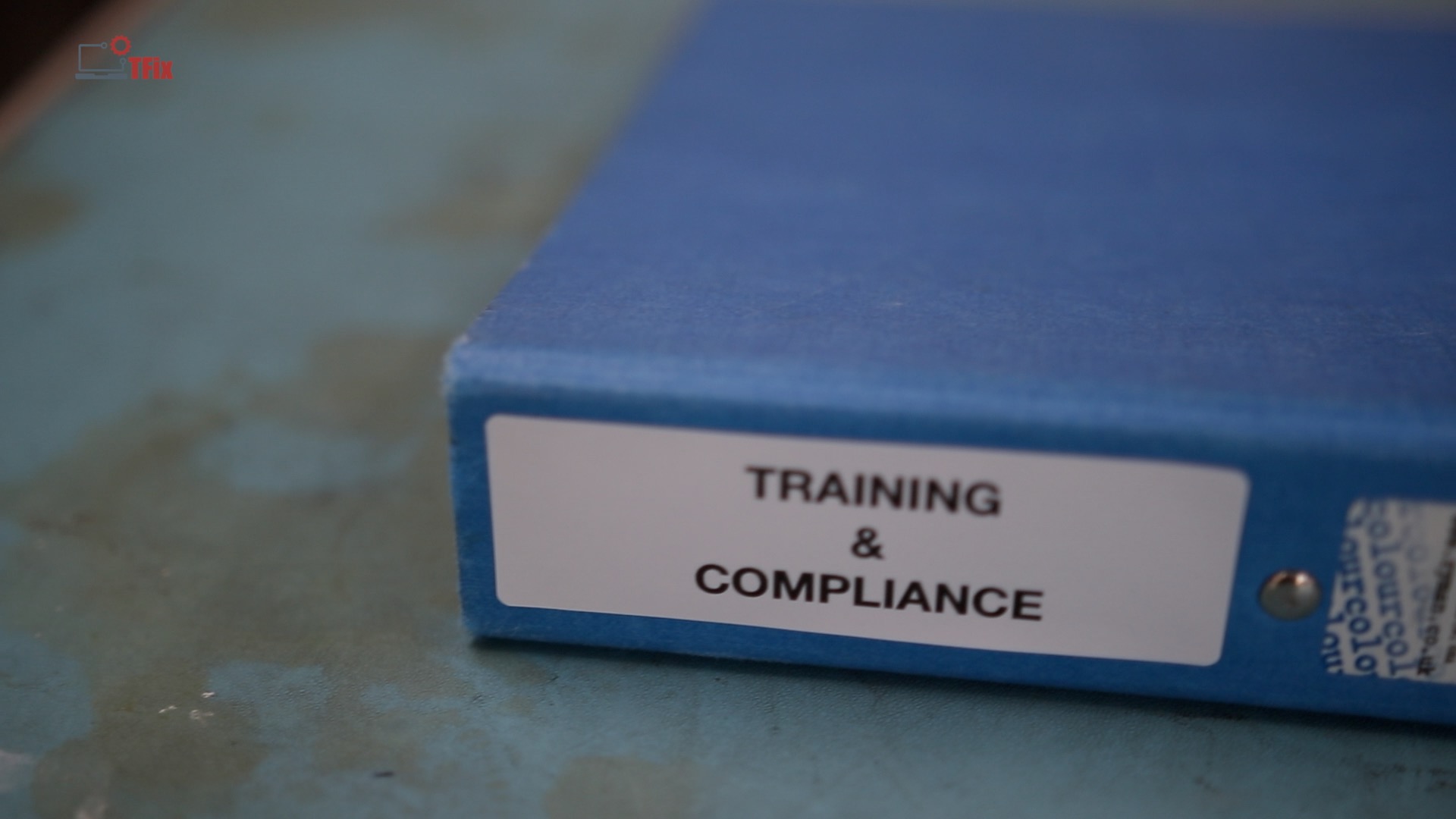
Each permit will last three years and must be renewed on expiry. Technical competence will be mandatory, with operators expected to complete training or workplace qualifications before receiving approval. This professionalises the industry and ensures that permit holders understand their responsibilities.
Timing and Transition
The government has not yet set a confirmed start date for the new system. However, transition rules are clear. Operators with existing three-year registrations will move across when their current term ends. Those holding lifetime registrations will have twelve months from the official go-live date to secure a new permit or exemption. Every business in the sector will face a compliance deadline once the system begins.
Why It Matters
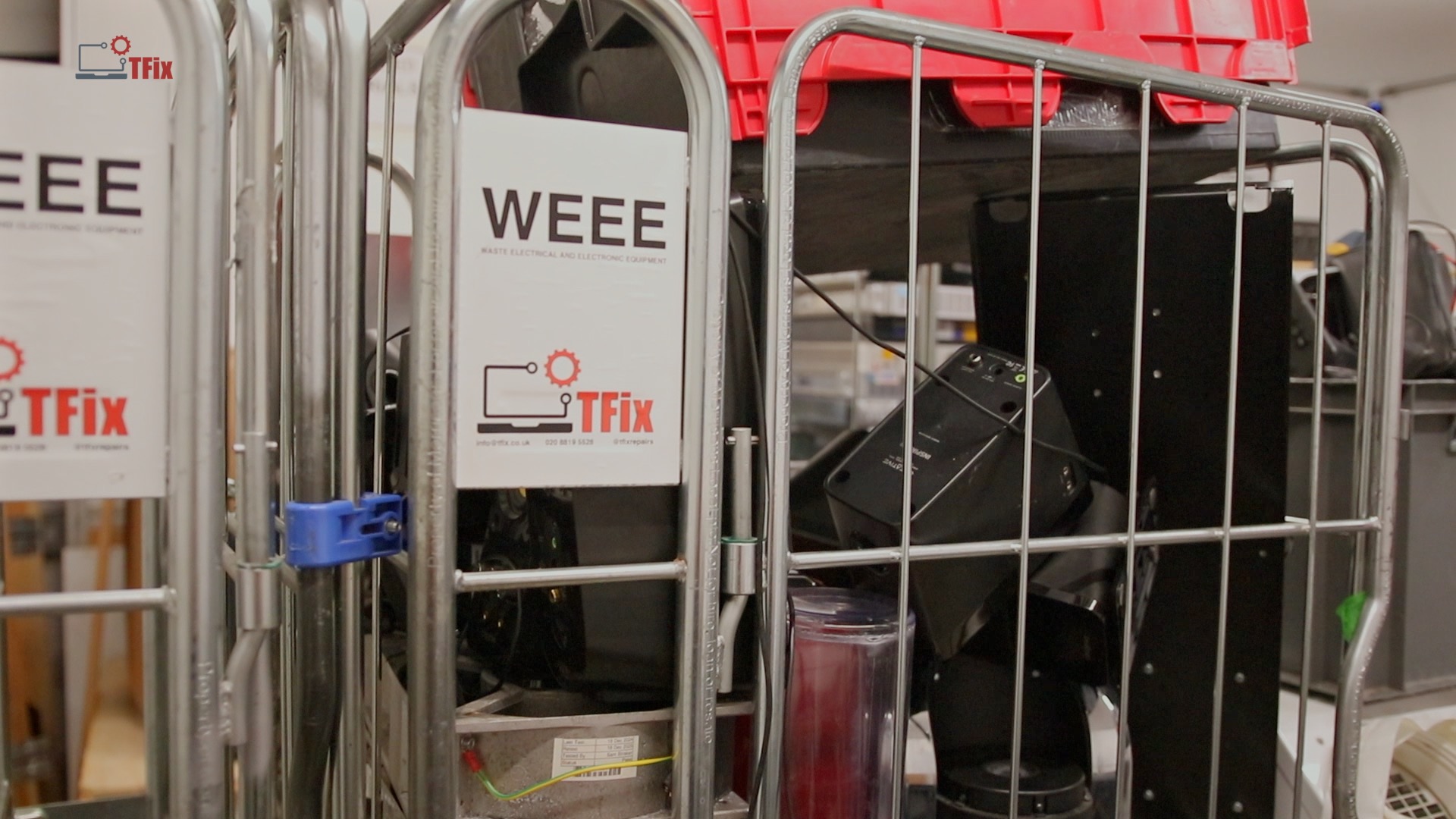
This reform gives the Environment Agency stronger enforcement powers. Permits can be suspended or revoked, and fixed penalties can be issued quickly. Permit numbers will need to be displayed on vehicles and advertising, making it easier for customers to check legitimacy. The new regime will also integrate with digital waste tracking, creating real-time audit trails and replacing paper notes that criminals often exploit.
The Impact on the Industry
The transition is expected to cost businesses around £44 million. Yet DEFRA argues that the savings from reducing waste crime will far outweigh these costs. More than 70 percent of consultation respondents supported the change, highlighting strong industry backing.
Ultimately, the reform aims to professionalise the sector, cut illegal dumping, and create a fairer system where compliant businesses are no longer undercut by rogue operators.