Fined for Stolen Rubbish — And How to Avoid It Happening to You
It sounds unbelievable, but it happened to us — and it could happen to you. We recently faced a £400 fine for fly-tipping, even though we never dumped any waste. The cu...

It sounds unbelievable, but it happened to us — and it could happen to you.
We recently faced a £400 fine for fly-tipping, even though we never dumped any waste. The culprit? A stolen parcel, a broken communication system, and a council approach that puts the burden on the innocent.
How It Started
We ordered goods from one of our regular suppliers. The order was shipped via Evri, and instead of being handed to us, it was left outside our unit door with no knock, no signature, and no delivery photo.
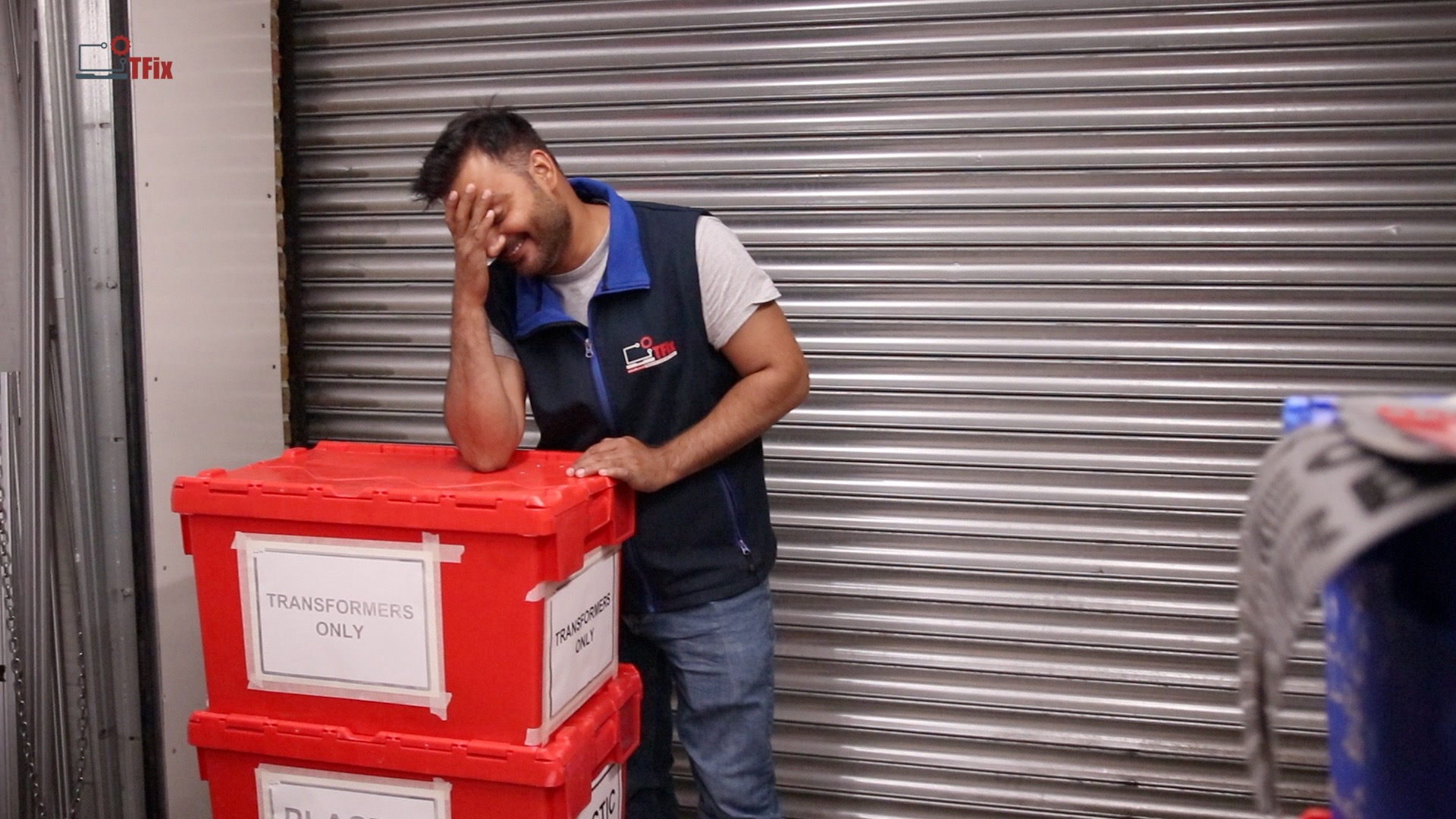
Thieves spotted it, took the parcel, ripped it open, and stole the contents.
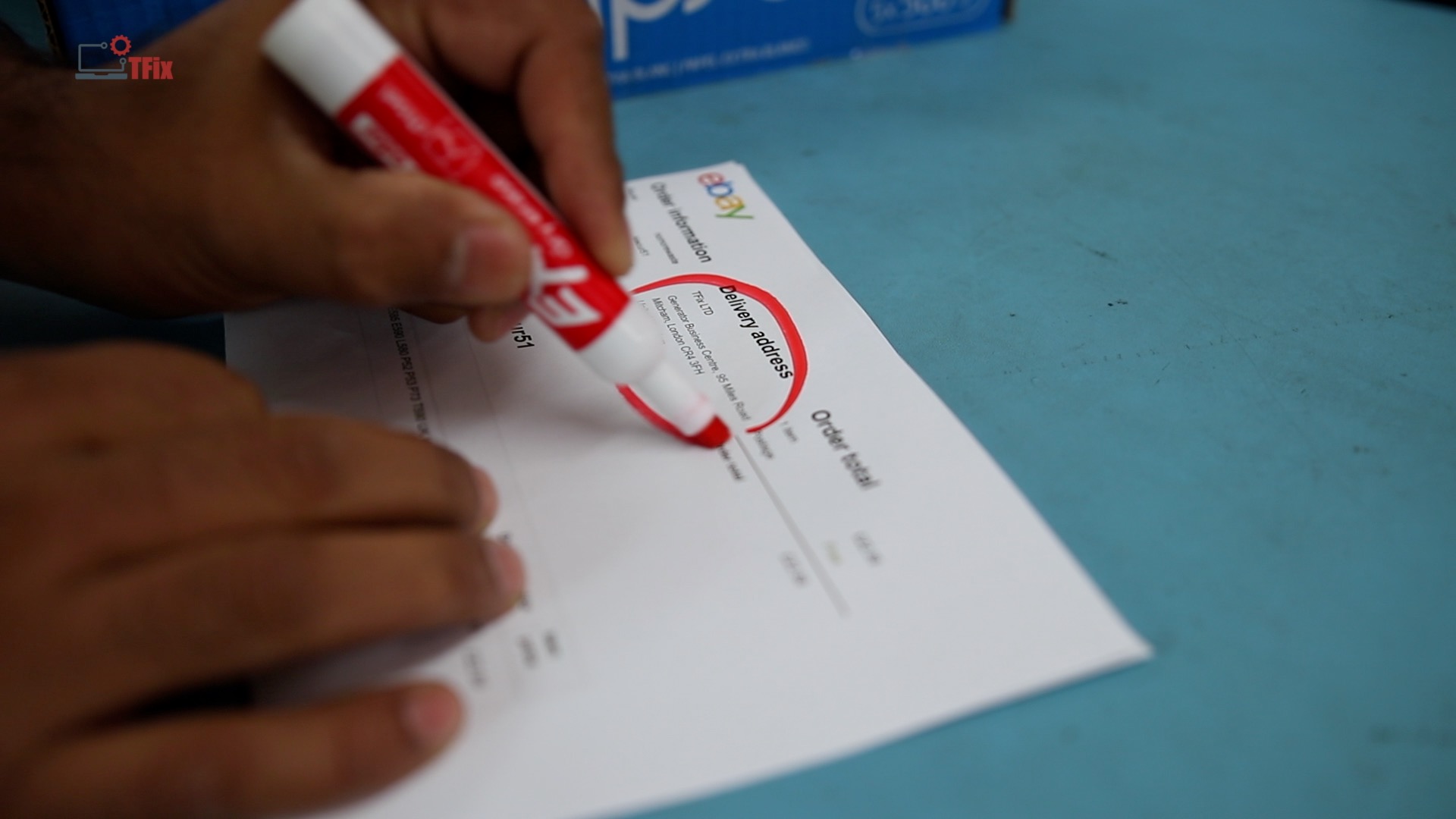
A few days later, the empty packaging appeared dumped in the alleyway behind our housing estate. The shipping label with our name and address was still attached.
That was all the council needed to issue a £400 penalty for fly-tipping.
Why People Get Fined for Waste They Never Dumped
Local authorities are under heavy pressure to reduce illegal dumping. When they find waste, they search for anything linking it to a person or business — names on parcels, receipts, even scraps of paper.
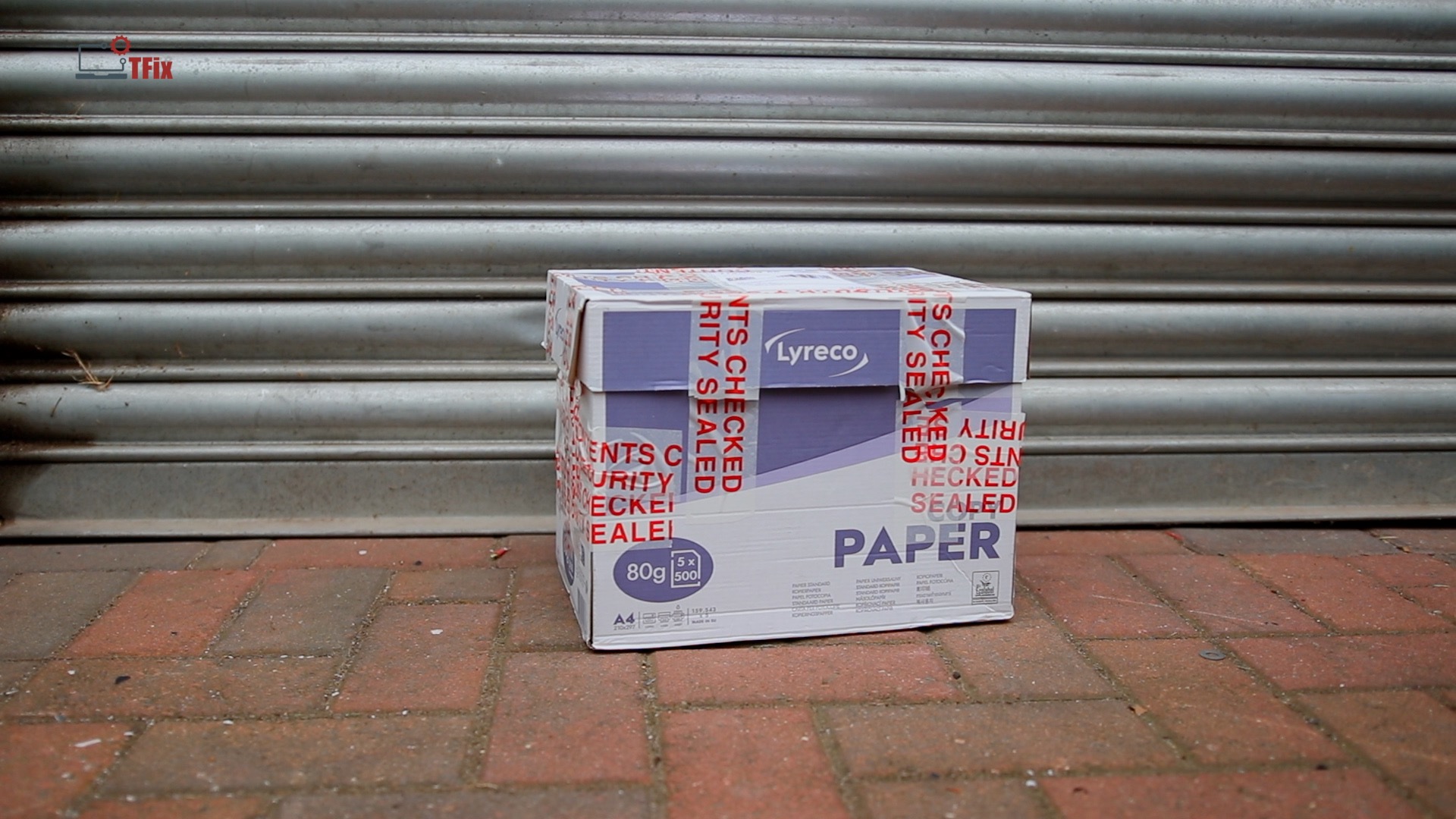
If they can trace it to you, they can issue a fine without proving you physically dumped it. Whether the waste was stolen or mishandled often does not matter.
The Challenge of Fighting It
We thought clearing it up would be simple. We gathered proof:
-
Courier tracking from Evri
-
CCTV footage
-
Order confirmation from our supplier
The problem? The council’s communication system was broken. Emails went unanswered. Online forms failed. We had to resend documents multiple times while more warning letters arrived.
Weeks passed before we could get through. All the while, the fine still stood.
How Councils Trace Waste Back to You
The process is simple but unforgiving:
-
Waste is found in a public place.
-
Evidence such as labels or paperwork is collected.
-
If it links to your name or address, you are considered responsible until proven otherwise.
This system works when someone has genuinely dumped rubbish — but it also catches innocent people.
Protecting Yourself from Fines
Track Deliveries Carefully
If a package goes missing, report it immediately. Keep courier tracking numbers, delivery photos, and any correspondence.
Before Hiring Waste Clearance Services
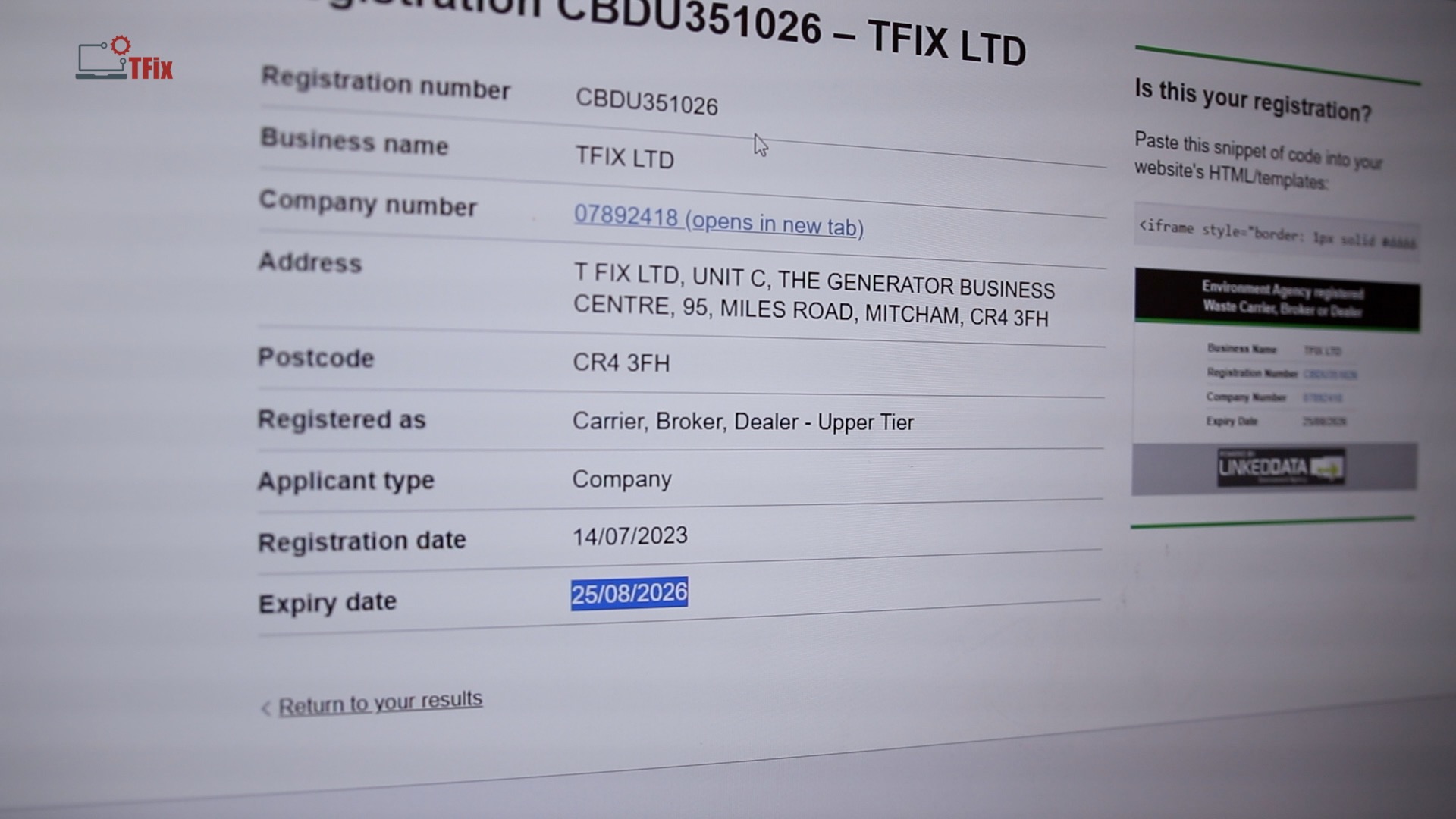
Check the waste carrier’s licence on the Environment Agency website. It only takes two minutes. A legitimate operator will have no problem showing their licence number.
Always Get a Waste Transfer Note
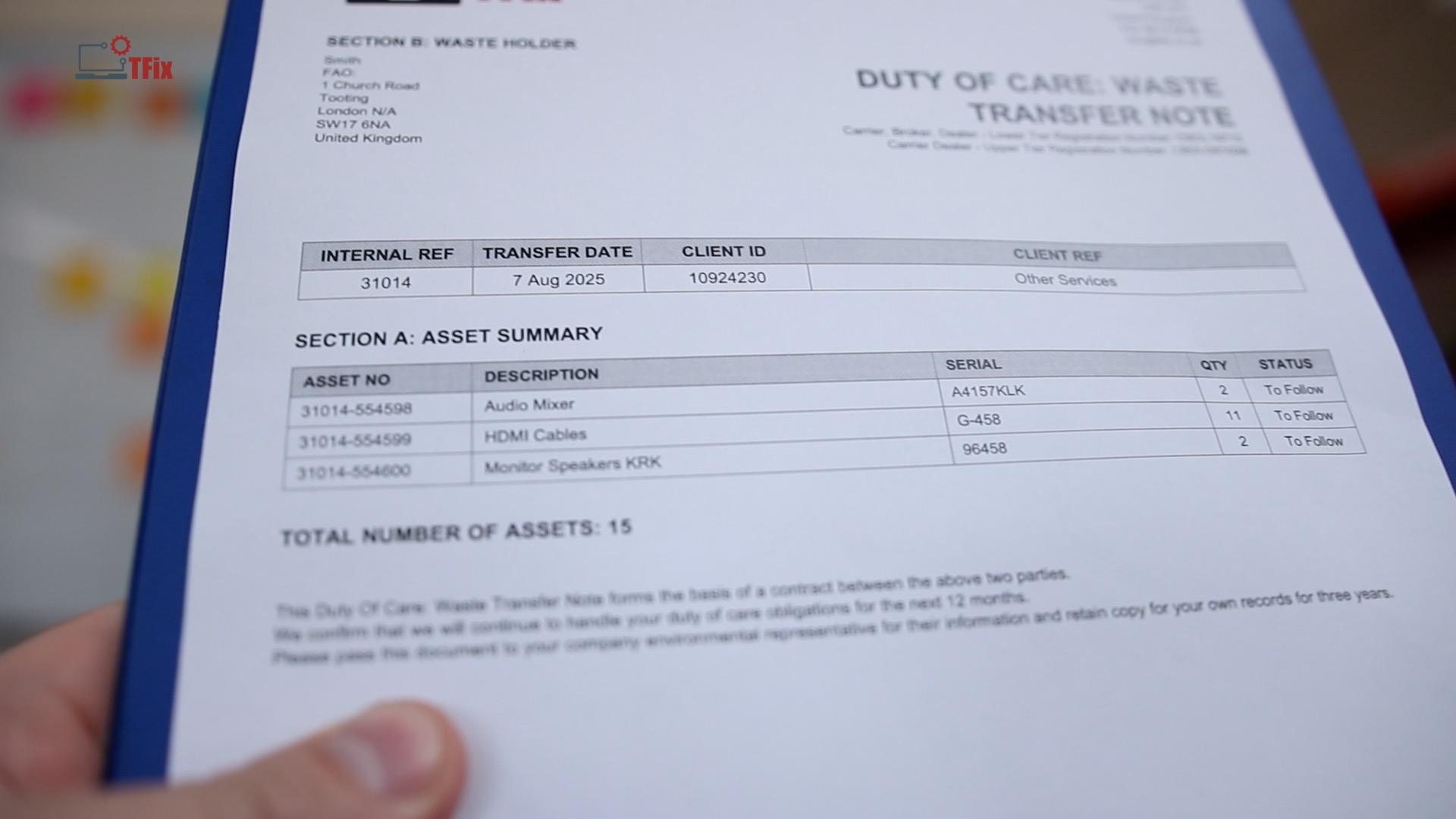
If a clearance company takes your rubbish, make sure they provide a waste transfer note or receipt. Without it, you may be held liable if the waste is dumped.
Watch Out for Rogue Operators
Cheap clearance offers on social media can be risky. Many of these unlicensed operators dump waste illegally, and when it’s found, your name on it is all the council needs to fine you.
The Bigger Issue
We learned the hard way that the system is stacked against you. Even if you are the victim of theft, the responsibility — and the fine — can still fall on you.
Councils are tackling a real problem in fly-tipping, but in the process, innocent people are being caught in the net. Until the process changes, protecting yourself is the only defence.