Europe’s Recycling System Faces Collapse: What It Means Beyond Plastics
The Warning No One Can Ignore Across Europe, plastic recyclers are sounding the alarm. Rising costs, cheap virgin plastic flooding the market, and unstable demand for recycled mate...

The Warning No One Can Ignore
Across Europe, plastic recyclers are sounding the alarm. Rising costs, cheap virgin plastic flooding the market, and unstable demand for recycled material are pushing the industry to the brink. Some operators warn of closures, and with them, the possibility that mountains of waste plastic could go unmanaged.
This is not only a story about bottles and packaging. It highlights a much deeper fragility in the way we think about recycling and the circular economy.
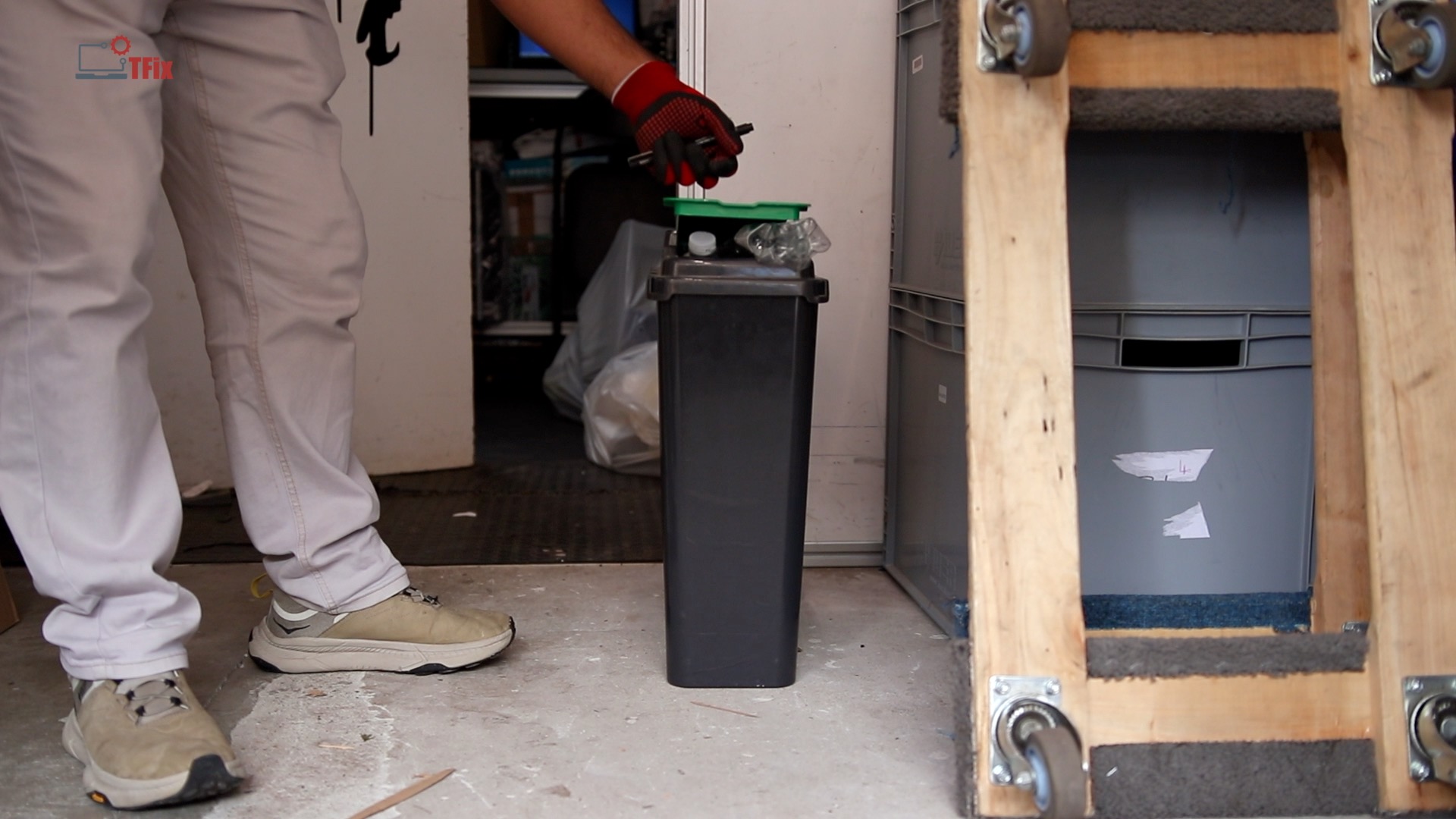
What Happens When Recycling Fails?
When recycling systems collapse, the consequences are stark. Plastics that consumers carefully separate may end up burned, buried, or shipped abroad. The trust in recycling as a solution is undermined.
And plastics are not alone. The same fragile economics can be seen in electronic waste, one of the fastest-growing waste streams in the world.
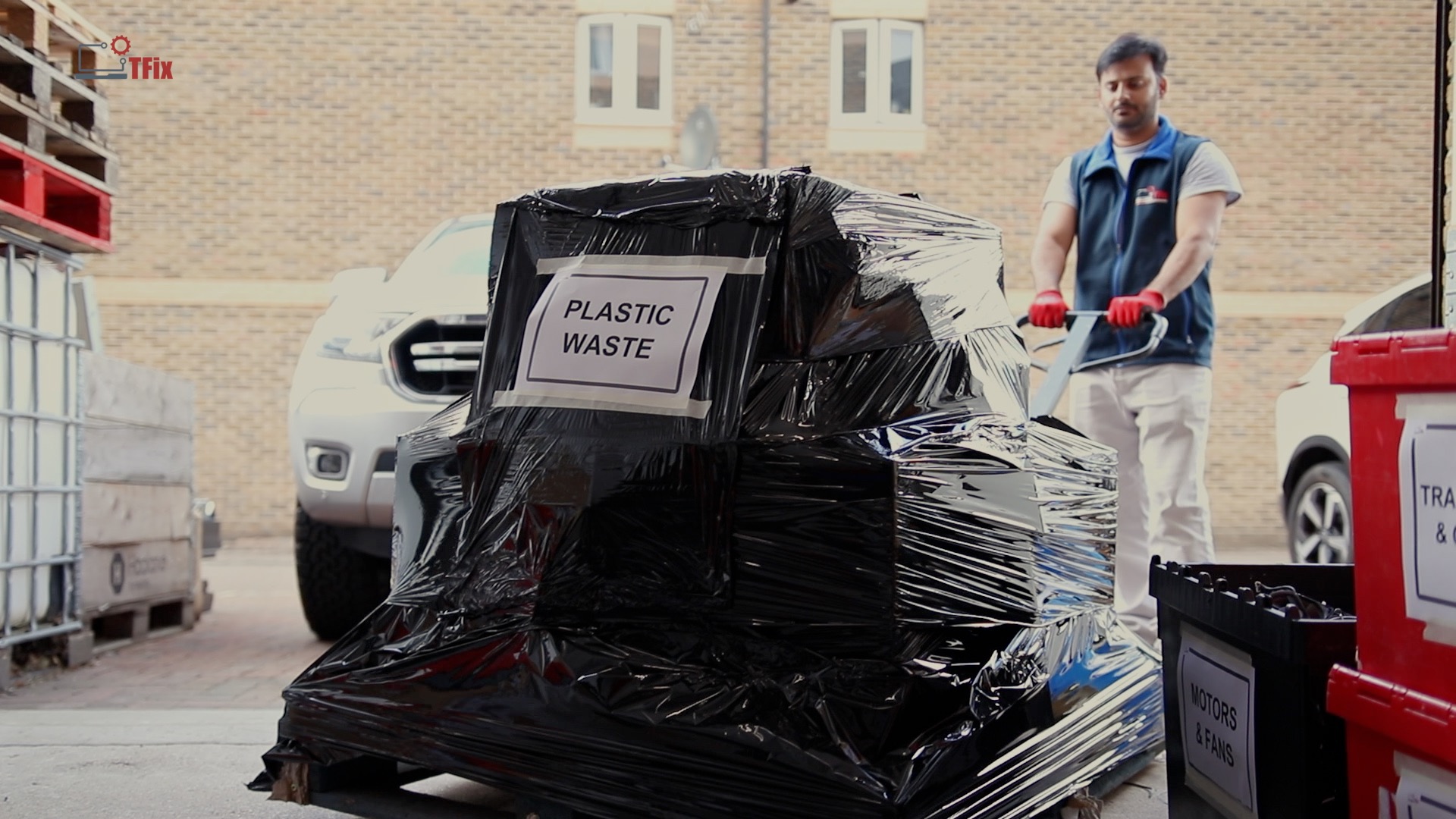
The E-Waste Connection

Phones, laptops, and game consoles are full of plastics, metals, and rare elements. On paper, recycling should capture those resources. In practice, costs are high, markets for recovered materials are unstable, and profits are far from guaranteed.
Just as plastic recyclers are warning of collapse, e-waste recycling faces the same pressures. If the system cannot cope, much of that valuable material risks being lost.
Rethinking the Hierarchy
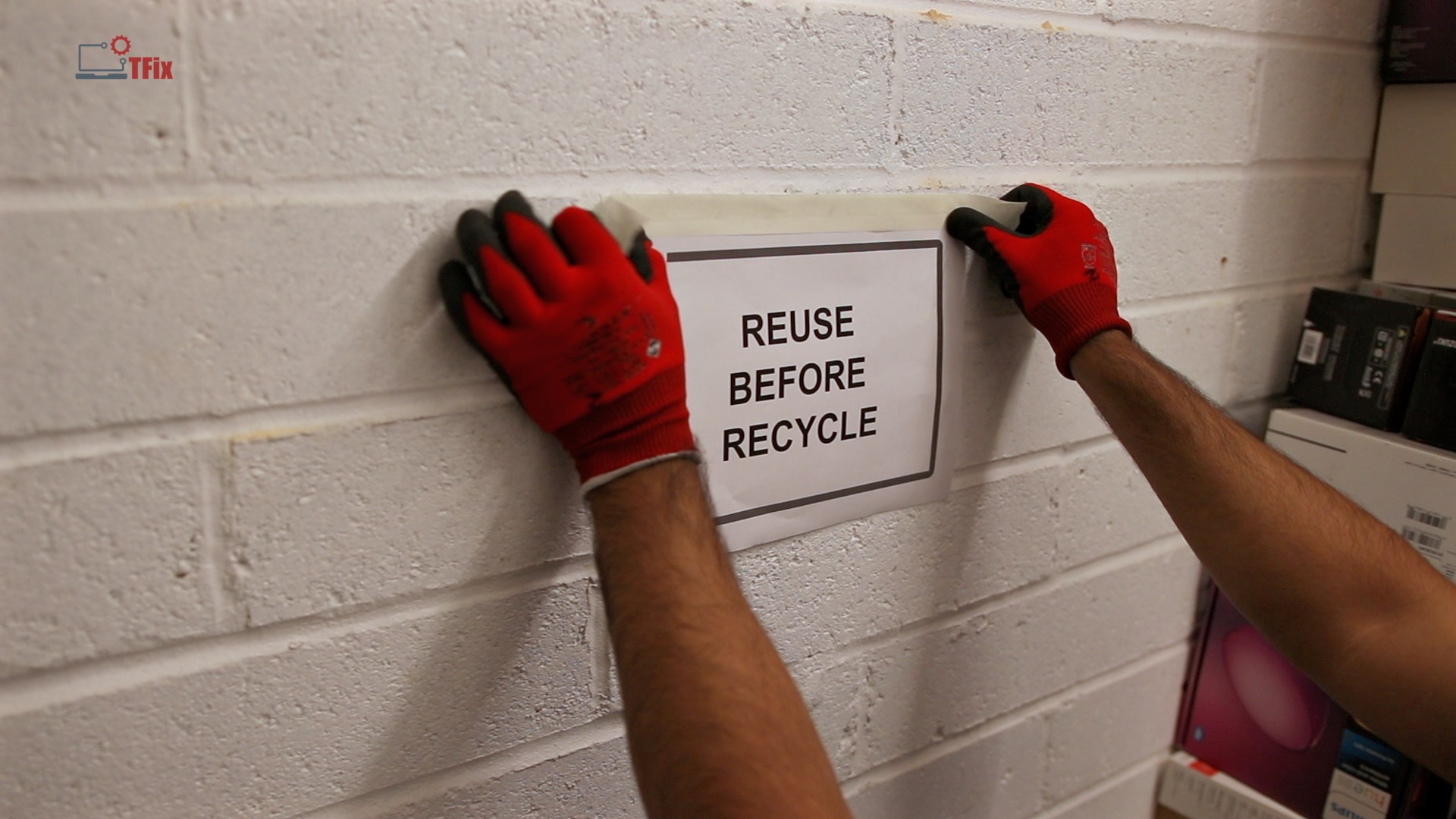
So what is the answer? The warning from the plastic sector makes one thing clear: recycling alone cannot carry the weight of a sustainable future.
The real drivers of circularity are higher up the chain.
-
Reuse keeps products in service for longer.
-
Repair saves resources and avoids waste.
-
Refurbishment restores value without the need for new raw materials.
Recycling still has a role, but it should be the last resort, not the first hope.
Building Stronger Systems
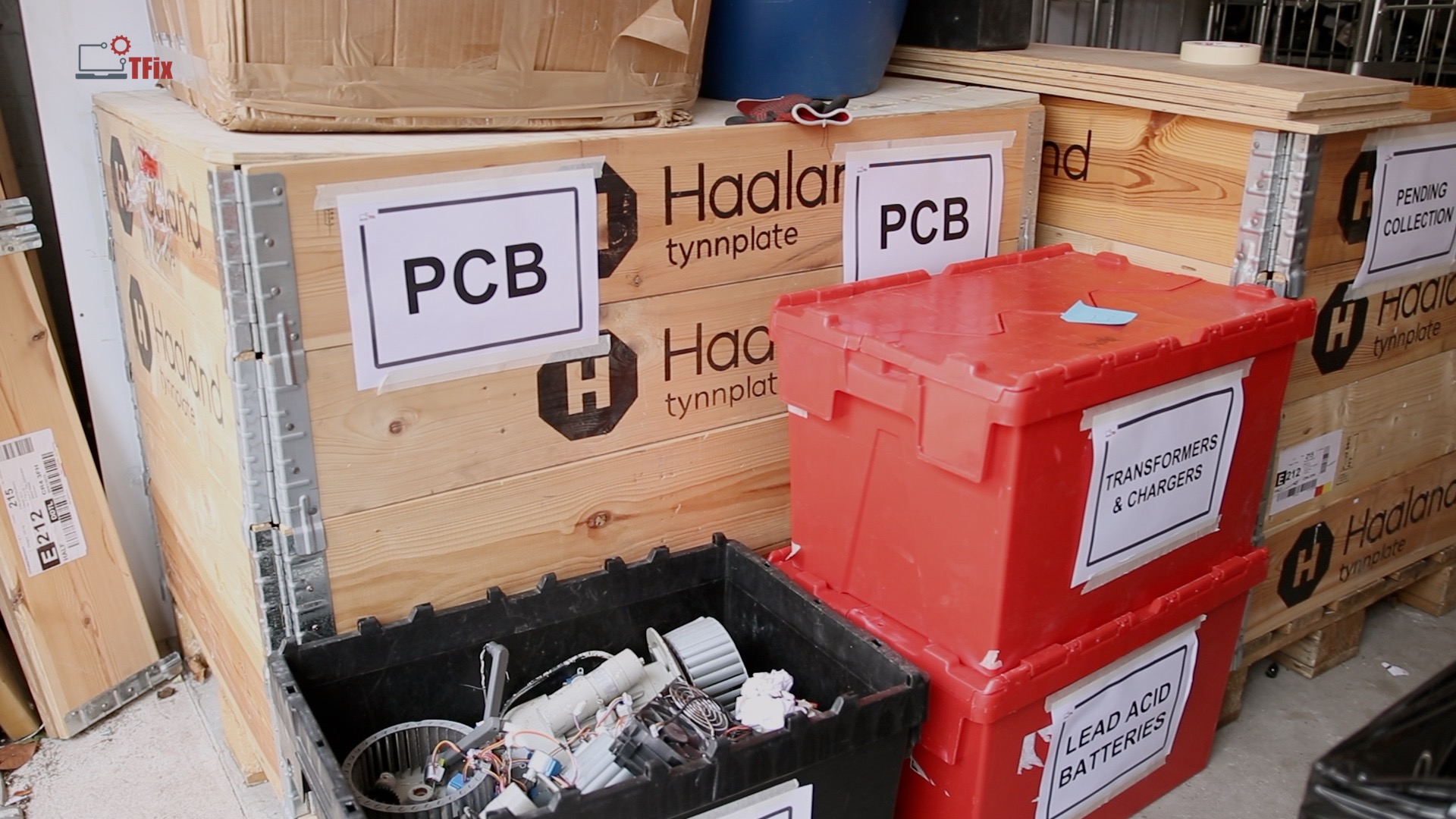
The lesson from the plastics crisis is simple: fragile recycling markets cannot guarantee sustainability. Systems must shift focus from waste management at the end of the line to value preservation throughout the life cycle of products.
When new policies are announced or recycling targets celebrated, the bigger question to ask is this: are we building systems that work in reality, or are we patching holes until the next collapse?