E-Waste Myths: Debunking Common Misconceptions About Electronic Waste Disposal
Electronic waste (or e-waste) is one of the fastest-growing waste streams in the world, yet it remains deeply misunderstood. Misconceptions about what e-waste is, how it should be ...

Electronic waste (or e-waste) is one of the fastest-growing waste streams in the world, yet it remains deeply misunderstood. Misconceptions about what e-waste is, how it should be handled, and its impact on the environment contribute to poor disposal habits, environmental damage, and wasted resources.
This article sets the record straight by examining the most common myths around e-waste disposal and replacing them with facts.
Myth 1: E-Waste Is Just Old Computers
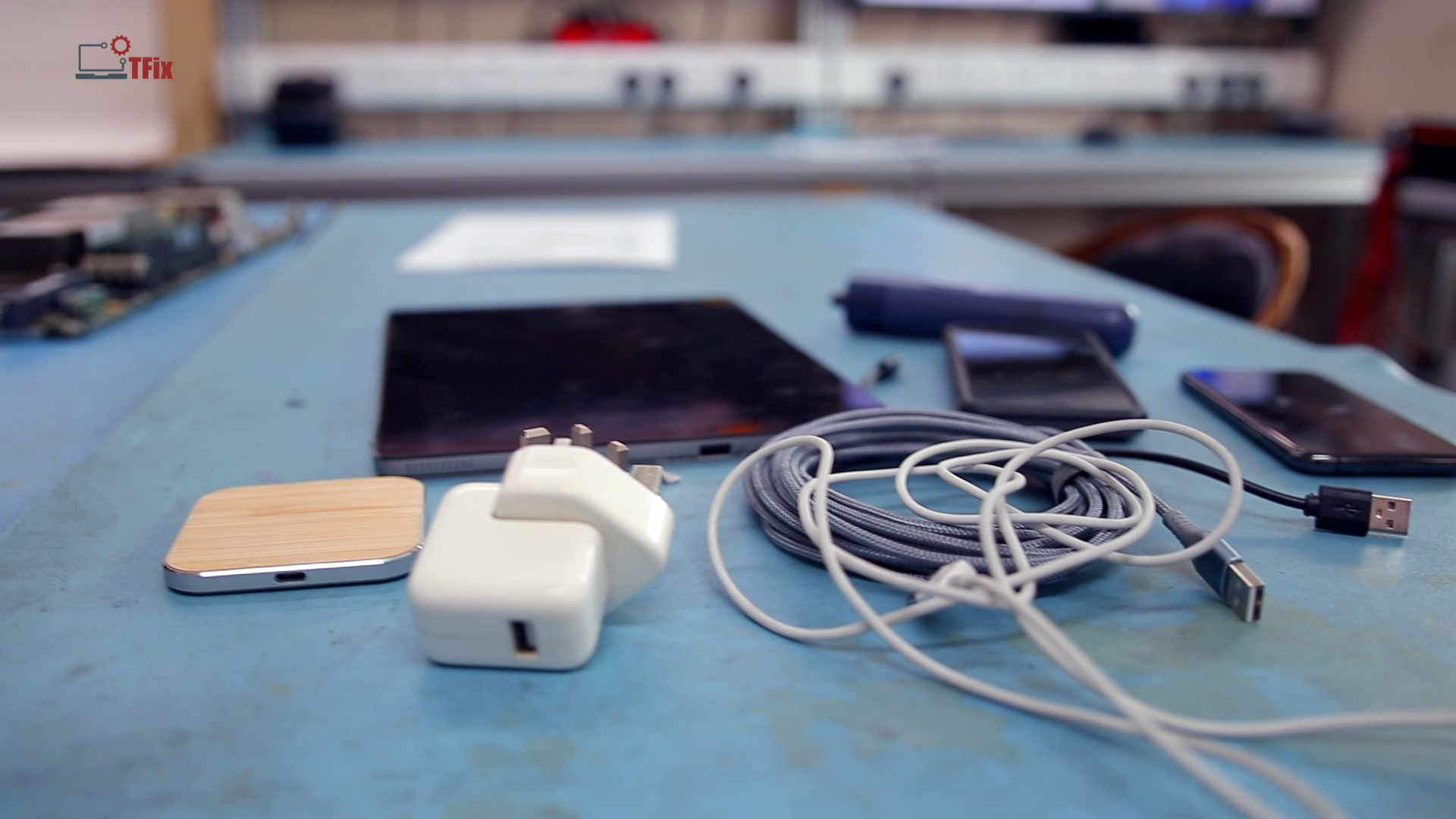
Many assume e-waste refers only to outdated computers and laptops. In reality, it includes any discarded electronic device or component. That means smartphones, printers, monitors, routers, game consoles, electric toothbrushes, toys, and even USB cables.
Anything with a battery or plug falls into the e-waste category once it is no longer wanted or functional. Ignoring this leads to large volumes of electronics being wrongly discarded with general waste, creating long-term environmental risks.
Myth 2: It’s Fine to Throw Electronics in the Bin
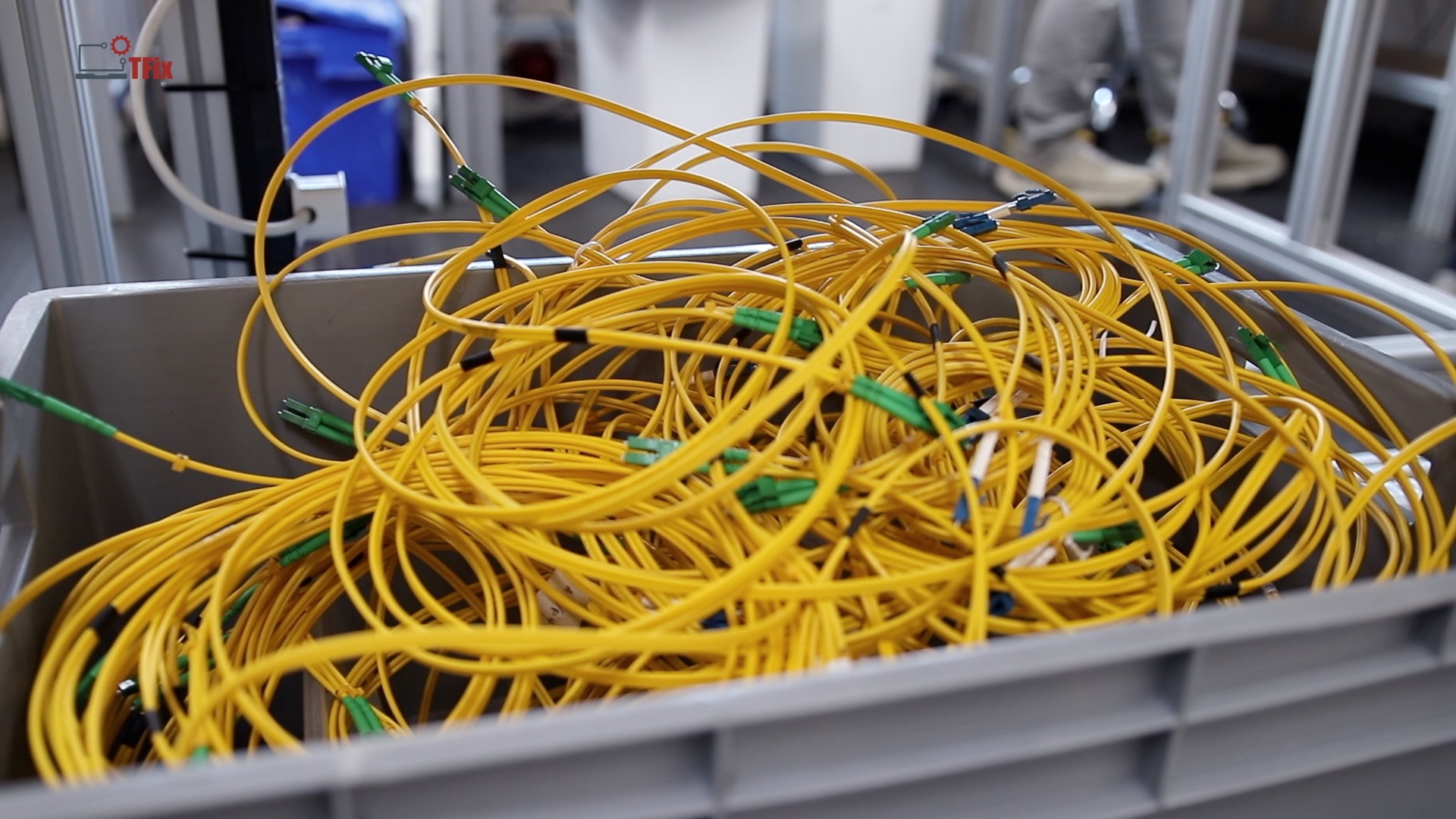
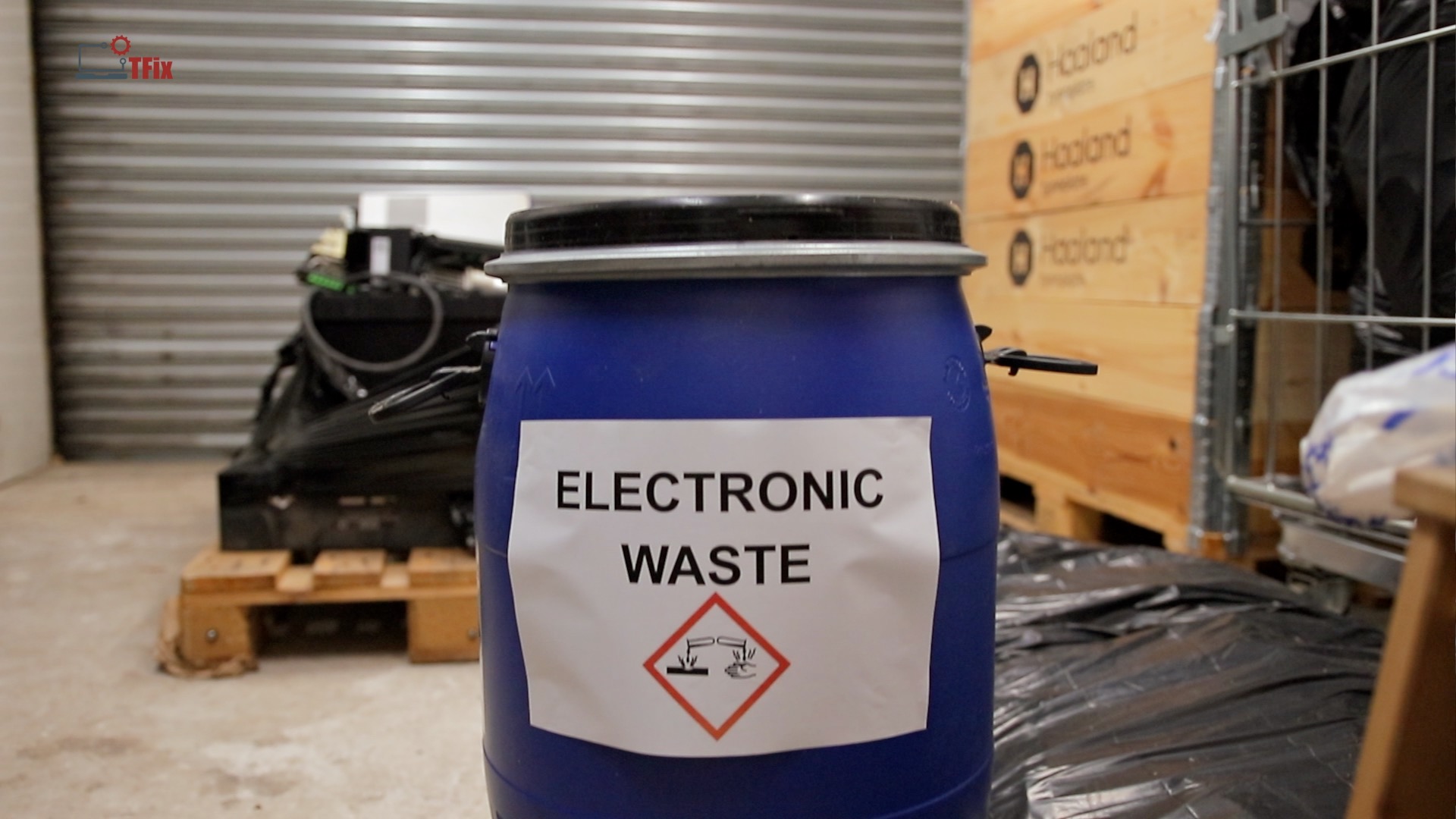
This is not only incorrect, it is dangerous. Electronics contain hazardous substances such as lead, cadmium, mercury, and brominated flame retardants. If sent to landfill, these toxins can leach into soil and water systems, causing irreversible environmental damage.
Old electronics should never be thrown into general waste bins. Instead, they must be collected and processed by licensed e-waste recyclers who can handle them safely and responsibly.
Myth 3: Recycling Electronics Is Pointless
There’s a belief that electronics are too complex to recycle effectively. This could not be further from the truth. A properly managed recycling process can recover a wide range of valuable materials, including copper, gold, silver, palladium, and rare earth elements.
Recycling e-waste reduces the demand for virgin materials, cuts down on carbon emissions, and supports a more circular economy. It’s not just useful—it’s essential.
Myth 4: Formatting a Hard Drive Makes Data Unrecoverable
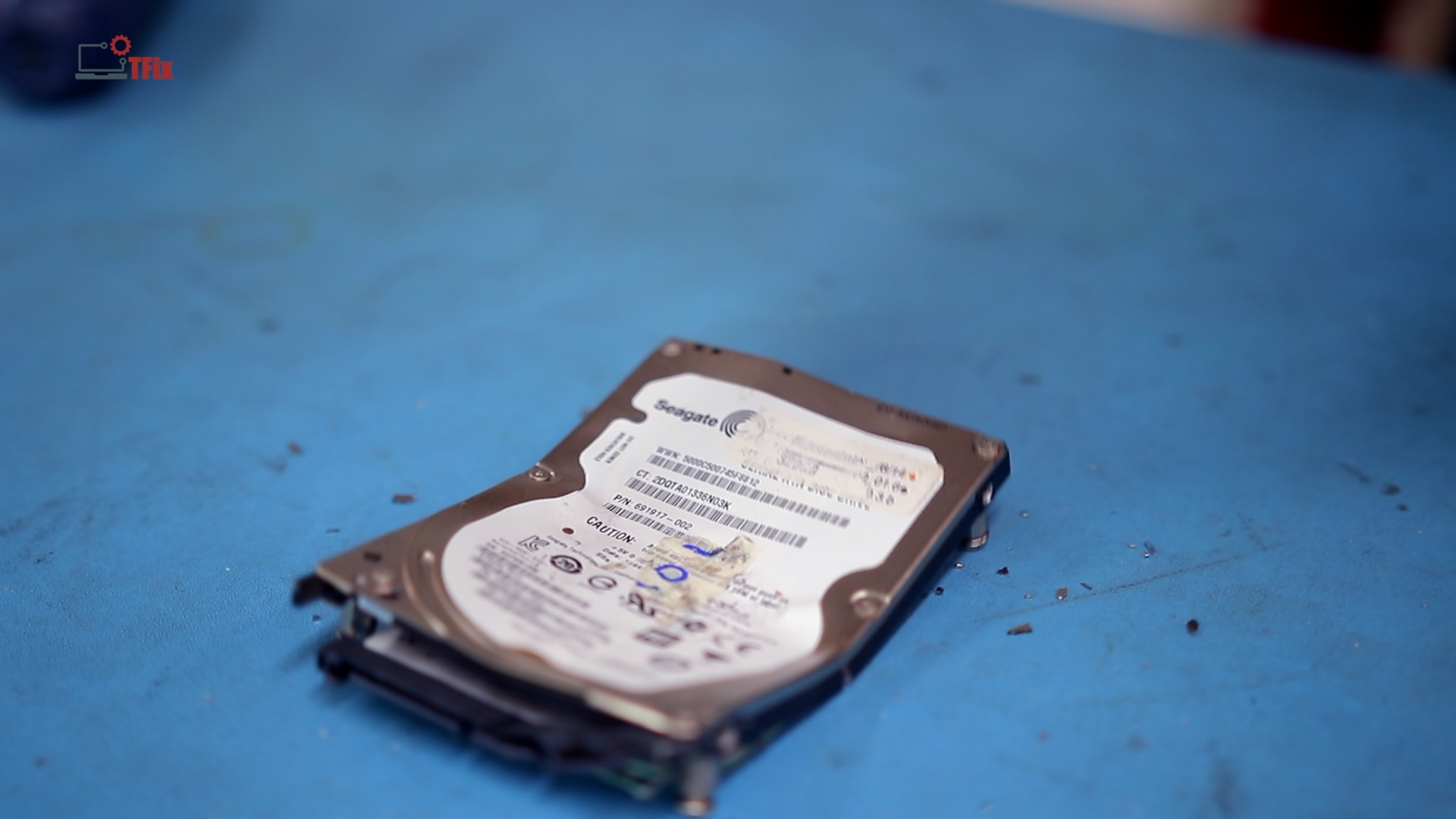
Simply deleting files or formatting a hard drive does not erase the data permanently. Sensitive information can often be recovered using basic forensic tools, which makes careless disposal a significant data security risk.
Proper data destruction involves using certified wiping tools or physically destroying the drive. Businesses especially must treat this seriously to avoid data breaches and legal liability.
Myth 5: Sending E-Waste Overseas Helps Developing Countries
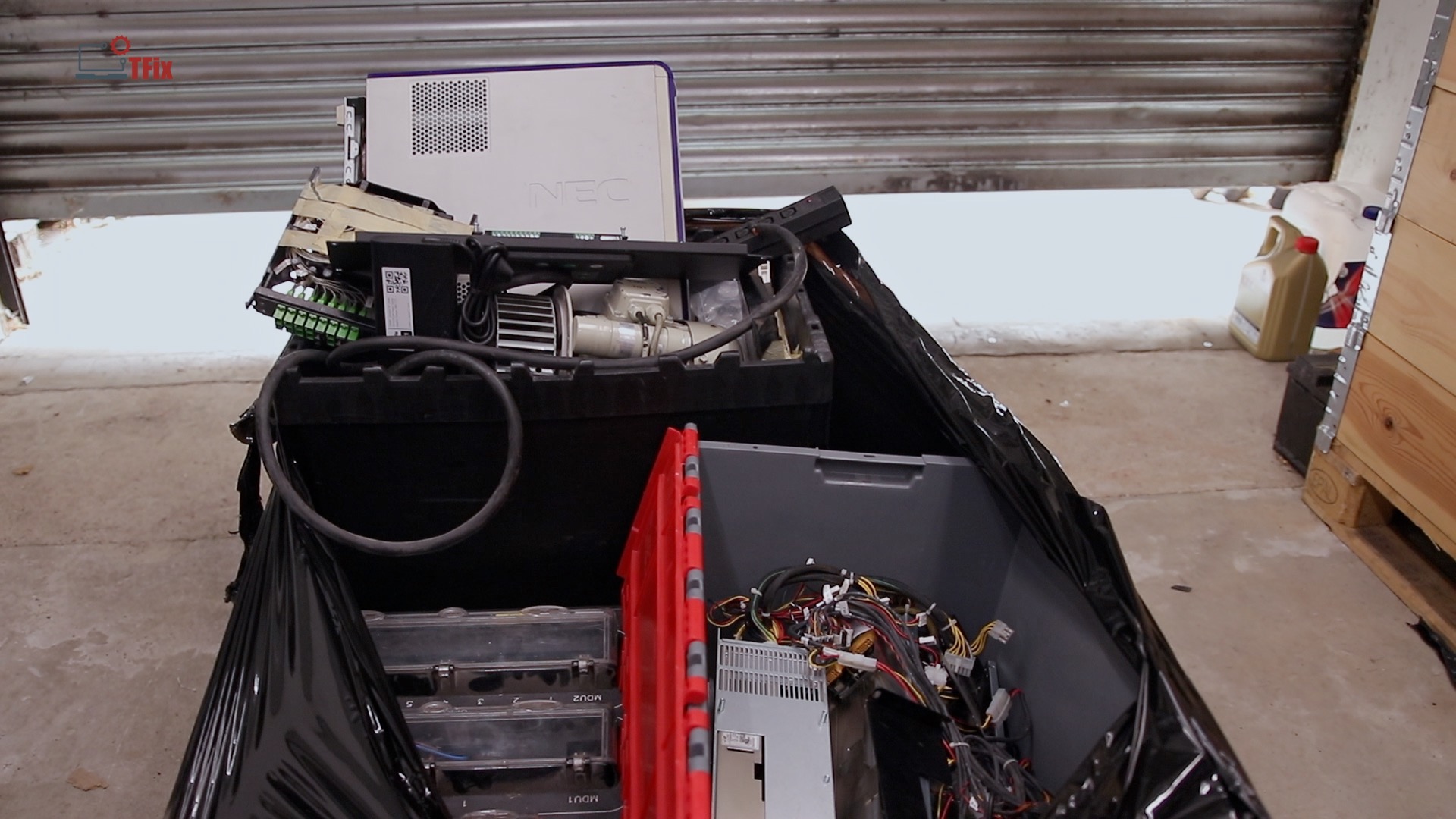
Exporting e-waste to developing nations often causes more harm than good. Much of this waste ends up in informal recycling sites where workers—often children—dismantle electronics using unsafe methods, without protective gear.
Toxic fumes, contaminated water, and damaged ecosystems are common in these regions. It’s far better to process e-waste locally under proper environmental and safety standards.
Myth 6: E-Waste Is Worthless
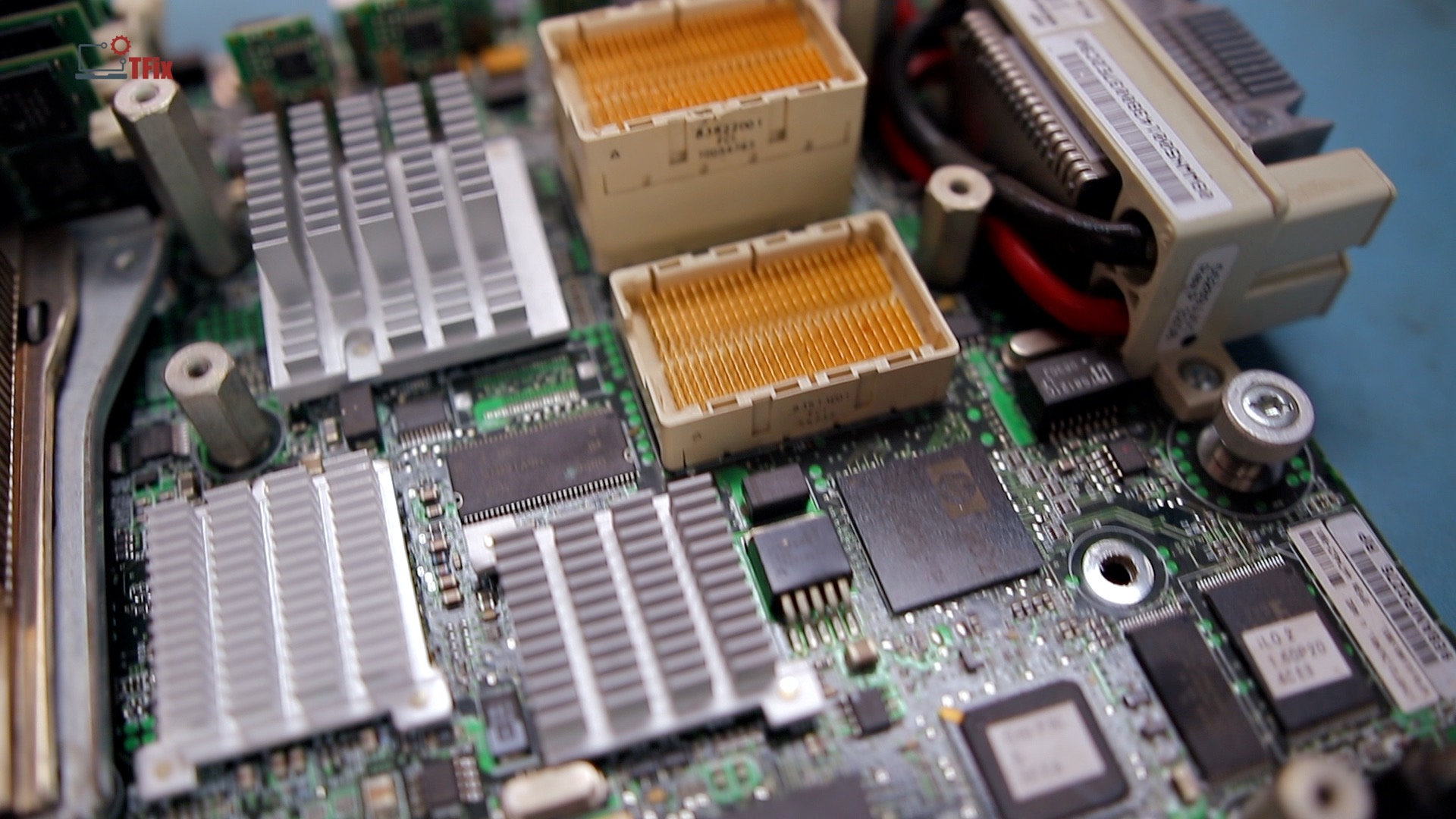
The idea that e-waste has no value is completely false. According to the UN, the global e-waste stream is worth over £40 billion annually in recoverable materials. Each old circuit board, cable, or broken phone contains components that can be refined, reused, and sold.
When properly handled, e-waste becomes a valuable resource—not a burden.
Final Thoughts
E-waste is not just an inconvenience—it’s an opportunity. Dispelling these myths is the first step towards a more sustainable approach to electronics. Whether as a business or an individual, proper e-waste management protects the planet, recovers valuable materials, and ensures data security.
Dispose responsibly. Recycle properly. Understand the facts.